
Large Area of Chicago Bans Delivery Robots After Resident Outcry
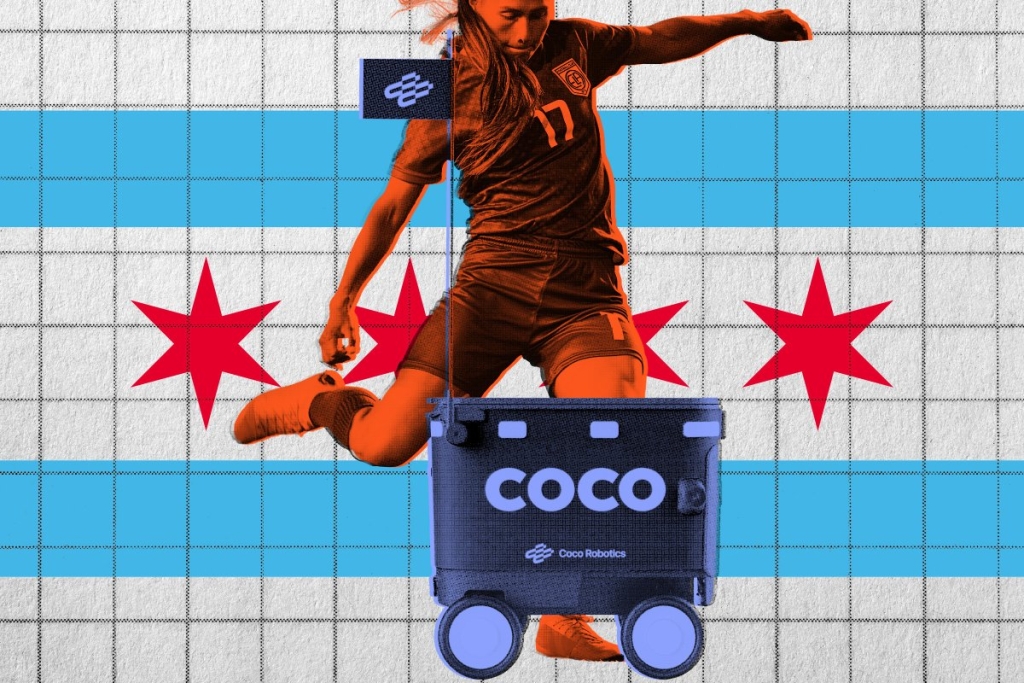
Chicago Residents Triumph as Delivery Robots Get the Boot from Local Streets
In a David-versus-Goliath showdown that has captured national attention, Chicago residents have successfully pushed back against the robotic invasion of their sidewalks, marking a significant victory for community activism in the age of automation.
The battle began in late 2025 when delivery robots from companies like Coco Robotics and Serve Robotics suddenly appeared on Chicago’s streets, transforming the city’s famously walkable neighborhoods into what residents described as “mechanical obstacle courses.” What started as a seemingly innocuous experiment in last-mile delivery quickly devolved into a civic crisis that would test the limits of technological progress versus quality of life.
The robots, which stood about four feet tall and traveled at walking speed, were designed to ferry takeout orders and small packages across short distances. Companies touted them as the future of urban delivery—efficient, environmentally friendly, and cost-effective. But Chicagoans saw something entirely different: machines that clogged already narrow sidewalks, posed accessibility challenges for people with disabilities, and created safety hazards in a city where pedestrian traffic is a way of life.
The situation reached a boiling point in several Chicago neighborhoods, particularly in the 1st Ward, which encompasses the trendy areas of Wicker Park and Logan Square. Residents reported near-misses with the slow-moving machines, frustration over having to navigate around them, and concerns about the data these robots were collecting as they mapped the city’s streets and sidewalks.
Alderman Daniel La Spata, whose ward became ground zero for the robot controversy, found himself at the center of a growing citizen revolt. After hosting a community meeting with robot company representatives that devolved into a barrage of pointed questions about accessibility, data privacy, and pedestrian safety, La Spata’s office launched an online survey to gauge public sentiment.
The results were unequivocal. Out of approximately 500 responses, nearly 83 percent of residents “strongly disagreed” with allowing the robots to expand beyond their current operational boundaries. The message was clear: Chicago’s streets belonged to its people, not to Silicon Valley’s latest experiment in automation.
“This isn’t a close call,” La Spata told Block Club Chicago. “We’re not pulling back Coco from their current partial service area on the east side of the ward, but there is no appetite for expansion.”
The victory represents more than just a local zoning dispute. It’s a referendum on the unchecked spread of automation into public spaces and a reminder that technological progress must be balanced against community needs and values. Chicago, recently voted one of the world’s most walkable cities, already had an elegant solution to last-mile delivery: human legs.
The robot companies, for their part, have struggled to make their case. Yariel Diaz, director of government affairs for Serve Robotics, argued that the machines serve a specific niche for short deliveries that aren’t worth the time for human drivers. “It is an option for the consumer,” Diaz told Block Club Chicago. “It is an option that you’re given when you are ordering from a restaurant that partners with us. It is not a mandate.”
But this technocratic framing failed to resonate with residents who saw the robots as an imposition rather than a convenience. In a city where walking is not just transportation but a cultural institution, the idea of being forced to share already crowded sidewalks with slow-moving machines struck many as absurd.
The controversy has also raised important questions about data collection and surveillance. As these robots navigate city streets, they’re constantly mapping their environment, creating detailed records of pedestrian patterns, traffic flows, and urban infrastructure. While companies claim this data is used solely to improve delivery efficiency, privacy advocates worry about the potential for misuse and the precedent it sets for automated surveillance of public spaces.
Chicago’s experience offers valuable lessons for other cities grappling with the rise of delivery robots and other forms of urban automation. The key takeaway: technological solutions must be developed in partnership with communities, not imposed upon them. When residents feel their concerns are being heard and addressed, they’re more likely to embrace innovation. When they feel steamrolled by corporate interests, they’ll fight back—and sometimes win.
The victory in Chicago comes at a time when delivery robots are proliferating in cities across America. From San Francisco to Miami, these mechanical couriers are becoming an increasingly common sight on urban sidewalks. But Chicago’s experience suggests that this expansion is not inevitable. With organized community action, clear communication from local officials, and a willingness to say “no” to poorly conceived technological solutions, residents can shape the future of their cities.
As Chicago moves forward, the question remains: will other cities follow its lead in pushing back against the robotic invasion of public spaces? Or will they continue to roll out the welcome mat for Silicon Valley’s latest experiments in automation? One thing is certain: the people of Chicago have shown that when it comes to the future of their streets, they’re not afraid to take a stand—even if it means taking on a fleet of delivery robots.
Tags & Viral Phrases:
- Sidewalk Wars
- Robot Revolution Rejected
- Chicago Says No to Bots
- The Great Robot Backlash
- Humans Win Against Machines
- Last Mile Delivery Drama
- Walkable City Under Siege
- Data Collection Concerns
- Accessibility vs Automation
- Community Power Triumphs
- Silicon Valley Meets the Midwest
- When Robots Attack (Sidewalks)
- The People’s Victory
- Automation Gone Wrong
- Chicago’s Robot Rebellion
- Sidewalk Sovereignty
- The Anti-Robot Movement
- Tech Bro Problems
- Human Legs Still Work
- The Future of Urban Delivery
- Robot Apocalypse Averted
- Citizen Activism Wins
- The Great Sidewalk Debate
- Delivery Bots Get Blocked
- Chicago Stands Its Ground
,

Leave a Reply
Want to join the discussion?Feel free to contribute!