
It’s time for Apple to let go of 60Hz displays
Apple’s 120Hz Display Dilemma: Is It Time to Upgrade Mid-Range Products?
In the fast-paced world of technology, where innovation is the name of the game, Apple has long been at the forefront of delivering cutting-edge features to its users. However, there’s one aspect of their product lineup that has left many tech enthusiasts scratching their heads: the company’s reluctance to adopt 120Hz displays across its mid-range offerings. As we delve into this topic, we’ll explore why this decision might be holding Apple back and why it’s time for a change.
It’s been nearly a decade since Apple introduced the first 120Hz ProMotion display on the 2017 iPad Pro, a feature that was hailed as revolutionary at the time. The silky-smooth scrolling, fluid animations, and overall enhanced user experience were a game-changer. Fast forward to today, and Apple still treats this feature as a luxury, reserving it primarily for its Pro models. This approach has left many wondering: is it time for Apple to reconsider its strategy?
Let’s start by acknowledging the progress Apple has made. The company finally added 120Hz displays to the base iPhone 17, four years after introducing it on the iPhone 13 Pro. This move was widely praised and demonstrates that Apple is capable of bringing high-refresh-rate displays to its more affordable offerings. However, the question remains: why stop there?
Many argue that the average consumer doesn’t notice or appreciate the difference a 120Hz display makes. While there may be some truth to this, it’s undeniable that a higher refresh rate results in a smoother, more responsive experience across the board. Even if users can’t pinpoint the exact cause, they’ll certainly feel the difference in the overall performance of their devices.
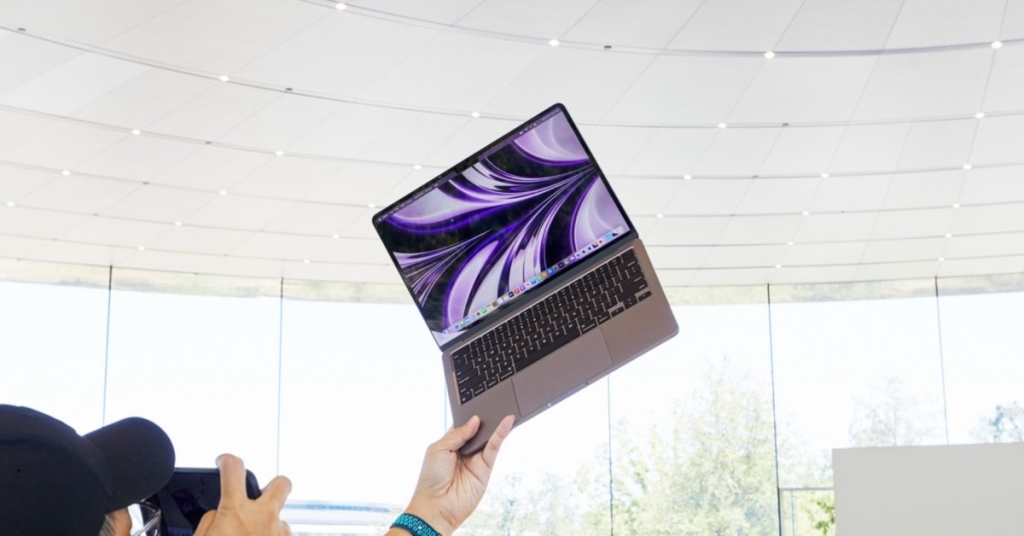
When we look at Apple’s mid-range products, such as the iPad Air and MacBook Air, the absence of 120Hz displays becomes even more perplexing. The iPad Air, priced between $599 and $799, comes with a 60Hz display, while the iPad Pro, starting at $999, boasts the coveted 120Hz ProMotion technology. This $400 price gap is significant, but it begs the question: should such a fundamental feature be reserved for only the most expensive models?
The same logic applies to the MacBook Air. When the base model MacBook Air is priced at $999 and the cheapest MacBook Pro starts at $1599, it seems counterintuitive to keep 120Hz displays exclusive to the Pro line. Most consumers aren’t going to make a $600 jump just for a smoother display, especially when $999 isn’t exactly a budget price point.
Apple has always prided itself on delivering a premium user experience, with attention to detail that sets its products apart from the competition. So why cheap out on display responsiveness when it likely doesn’t cost that much to incorporate a 120Hz LCD in mid-range products? It’s time for Apple to reevaluate its strategy and consider bringing this feature to a wider range of devices.
Of course, there needs to be some level of feature diversity between product tiers to justify the price differences. Apple will always want to upsell customers to higher-end products when possible. However, with nearly a decade having passed since the introduction of the first 120Hz LCD panel, it’s becoming increasingly difficult to justify keeping this feature exclusive to Pro models.
Even if Apple isn’t ready to bring 120Hz displays to all its mid-range products, why not at least consider 90Hz as a middle ground? The current 60Hz standard is starting to feel outdated, especially when many competitors in the same price range offer higher refresh rates.
As we look to the future, it’s clear that Apple needs to adapt to changing consumer expectations and industry standards. While the base iPad and upcoming budget A18 MacBook may always have 60Hz displays (and that’s understandable for entry-level products), it’s time for Apple to step up its game in the mid-range segment.
In conclusion, Apple’s reluctance to adopt 120Hz displays across its mid-range products is becoming increasingly difficult to justify. As the company continues to innovate and push the boundaries of technology, it’s crucial that they don’t hold back on features that significantly enhance the user experience. By bringing 120Hz displays to a wider range of products, Apple can ensure that more users can enjoy the smooth, responsive performance that has become synonymous with the brand. It’s time for Apple to embrace the future of display technology and give its mid-range customers the premium experience they deserve.
#Apple #120HzDisplay #ProMotion #iPadAir #MacBookAir #Technology #Innovation #UserExperience #DisplayTechnology #TechNews
#AppleNeedsToChange #BringBack120Hz #SmoothScrollingMatters #TechEvolution #MidRangeRevolution #DisplayUpgrade #UserExperienceMatters #AppleStrategy #TechIndustryStandards #FutureOfDisplays
#SmoothIsBetter #RefreshRateRevolution #AppleInnovation #TechTrends2024 #DisplayTechnology #UserExperienceEnhancement #AppleEcosystem #MidRangeTech #DisplayResponsiveness #TechExpectations
#AppleWatch #iPhone #iPad #MacBook #ProMotionDisplay #HighRefreshRate #TechAdvancements #AppleProducts #ConsumerTech #DisplayInnovation,

Leave a Reply
Want to join the discussion?Feel free to contribute!