
OpenClaw creator Peter Steinberger joins OpenAI
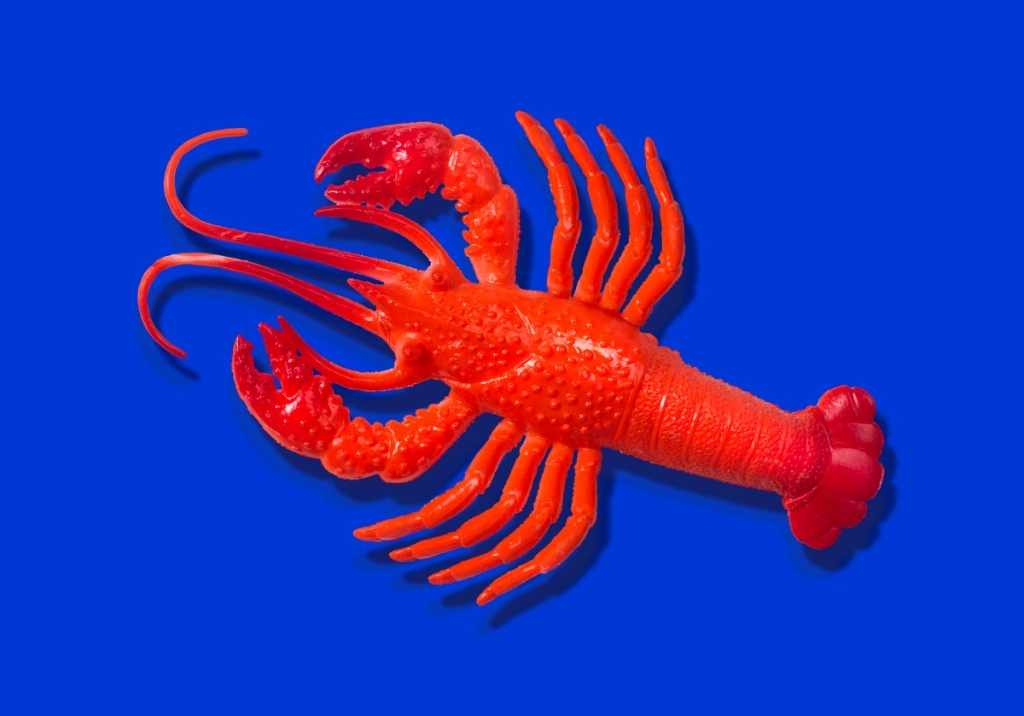
OpenAI Acquires OpenClaw: Peter Steinberger Joins to Shape the Future of Personal AI Agents
In a move that could redefine the landscape of personal AI assistants, OpenAI has announced the acquisition of OpenClaw, the viral AI assistant that captured global attention with its promise to be “the AI that actually does things.” The deal marks a significant milestone in the evolution of autonomous AI agents and brings OpenClaw’s visionary creator, Peter Steinberger, into OpenAI’s fold.
From Clawdbot to OpenClaw: A Viral Journey
OpenClaw’s journey to prominence was anything but conventional. Originally launched as Clawdbot, the project quickly gained traction for its ambitious vision of creating an AI assistant that could handle real-world tasks autonomously. The assistant could manage calendars, book flights, and even interact with other AI agents on social networks—capabilities that set it apart from conventional chatbots.
The project underwent two name changes along the way. First, it transitioned from Clawdbot to Moltbot after Anthropic threatened legal action over the similarity to their Claude AI assistant. Then, in a surprising twist, Steinberger opted for a second name change to OpenClaw, simply because he preferred the new moniker.
This unconventional approach to branding seemed to only fuel the project’s viral momentum. Users were drawn to OpenClaw’s personality and capabilities, creating a community of enthusiasts who saw in it the potential for truly autonomous digital assistance.
Steinberger’s Vision: Changing the World, Not Building a Company
In his announcement post, Steinberger revealed the philosophical underpinnings of his decision to join OpenAI. Despite having the technical expertise and momentum to potentially build OpenClaw into a massive independent company, he expressed a deeper motivation: “It’s not really exciting for me.”
“What I want is to change the world, not build a large company, and teaming up with OpenAI is the fastest way to bring this to everyone,” Steinberger explained. This statement reveals a developer driven not by commercial ambition but by a desire to democratize advanced AI capabilities.
Steinberger’s background as an Austrian developer with a track record of innovative software projects positioned him as an ideal candidate to push the boundaries of what personal AI agents can achieve. His decision to prioritize impact over independence speaks to a growing trend among AI innovators who see the value of collaboration in accelerating technological progress.
OpenAI’s Strategic Move
OpenAI CEO Sam Altman announced Steinberger’s new role on social media, stating that he will “drive the next generation of personal agents.” This positioning suggests that OpenAI sees personal AI assistants as a critical frontier in artificial intelligence development, one that could bridge the gap between powerful language models and practical, everyday utility.
The acquisition represents more than just talent acquisition—it’s a strategic bet on the future of human-AI interaction. By bringing Steinberger’s expertise in creating autonomous agents that can perform real-world tasks, OpenAI positions itself at the forefront of the next wave of AI innovation.
OpenClaw’s Future: An Open Source Foundation
Perhaps most intriguingly, Altman announced that OpenClaw will “live in a foundation as an open source project that OpenAI will continue to support.” This commitment to maintaining OpenClaw as an open source initiative while integrating its technology and team into OpenAI’s ecosystem represents a hybrid approach to AI development.
This model could serve as a blueprint for future AI acquisitions, balancing the benefits of corporate resources and distribution with the transparency and community engagement that open source development provides. It also ensures that the innovative work done on OpenClaw remains accessible to the broader AI community, potentially accelerating innovation across the field.
The Implications for Personal AI Agents
The integration of Steinberger and OpenClaw into OpenAI’s ecosystem signals a significant investment in the development of personal AI agents. These agents represent the next logical step beyond conversational AI—moving from passive response systems to proactive, autonomous entities that can manage tasks, make decisions, and interact with both humans and other AI systems.
The capabilities demonstrated by OpenClaw—from calendar management to social network participation—hint at a future where AI assistants become true digital companions, capable of handling complex, multi-step tasks with minimal human oversight. Steinberger’s expertise in this domain, combined with OpenAI’s technological foundation, could accelerate the arrival of this future.
Industry Impact and Competition
This acquisition sends ripples through the competitive landscape of AI development. With OpenAI strengthening its position in the personal agent space, competitors like Anthropic, Google DeepMind, and emerging players will likely accelerate their own efforts in autonomous AI assistants.
The move also raises questions about the future of AI development models. OpenAI’s commitment to maintaining OpenClaw as open source while integrating it into their commercial ecosystem could influence how other companies approach acquisitions and technology development in the AI space.
What’s Next for Personal AI?
As Steinberger begins his work at OpenAI, the AI community eagerly anticipates what innovations might emerge from this collaboration. The combination of OpenClaw’s practical approach to autonomous agents and OpenAI’s research prowess and distribution capabilities could yield breakthroughs in how humans interact with AI systems.
The focus on “personal agents” suggests a shift toward more intimate, task-oriented AI relationships rather than the broad, general-purpose interactions that have characterized much of the AI conversation thus far. This could mark the beginning of a new era where AI systems become truly integrated into the fabric of daily life, handling everything from scheduling to complex decision-making.
The acquisition of OpenClaw by OpenAI, with Peter Steinberger at the helm of personal agent development, represents more than just another corporate deal in the tech industry. It signals a maturation of the AI field, where the focus is shifting from raw capability to practical application, from theoretical potential to real-world utility. As this story unfolds, it will be fascinating to watch how Steinberger’s vision for changing the world through AI materializes within one of the most influential AI organizations on the planet.
Tags & Viral Phrases
- OpenAI acquires OpenClaw
- Peter Steinberger joins OpenAI
- AI that actually does things
- Personal AI agents revolution
- Viral AI assistant
- Clawdbot to OpenClaw journey
- Autonomous AI assistants
- Next generation personal agents
- AI changing the world
- Open source AI foundation
- Sam Altman strategic move
- Future of human-AI interaction
- AI calendar management
- AI booking flights autonomously
- AI social networks
- Austrian AI developer
- Democratizing AI capabilities
- AI talent acquisition
- Hybrid AI development model
- AI digital companions
- Proactive AI systems
- AI decision-making automation
- AI competition landscape
- Intimate AI relationships
- Practical AI applications
- AI integration into daily life
- Maturing AI field
- Real-world AI utility
- OpenAI strategic bets
- AI innovation acceleration
,


Leave a Reply
Want to join the discussion?Feel free to contribute!