
OKX snags European payments license for stablecoin and crypto card expansion
OKX Secures Malta Payment Institution License, Paving the Way for Stablecoin Dominance in Europe
In a strategic move that signals the growing convergence of traditional finance and digital assets, cryptocurrency exchange OKX has secured a Payment Institution (PI) license from Malta’s Financial Services Authority. This regulatory milestone positions the exchange to continue offering stablecoin-related payment services across the European Union with full compliance to the Markets in Crypto-Assets (MiCA) regulation and the Second Payment Services Directive (PSD2).
The timing couldn’t be more critical. With MiCA’s comprehensive framework taking effect in March 2026, cryptocurrency service providers engaging in payment activities involving stablecoins—legally classified as Electronic Money Tokens (EMTs)—must now hold either a Payment Institution or Electronic Money Institution authorization. OKX’s proactive approach demonstrates its commitment to regulatory compliance while capitalizing on the expanding stablecoin ecosystem.
A Strategic Regulatory Play
Malta has long been considered a crypto-friendly jurisdiction, establishing itself as a pioneer in blockchain regulation since 2018. The Mediterranean island nation’s progressive stance on digital assets has attracted numerous cryptocurrency businesses seeking a balance between innovation and regulatory oversight. For OKX, obtaining this license isn’t merely a bureaucratic checkbox—it’s a strategic positioning that grants access to the entire European Economic Area while establishing credibility with both regulators and institutional partners.
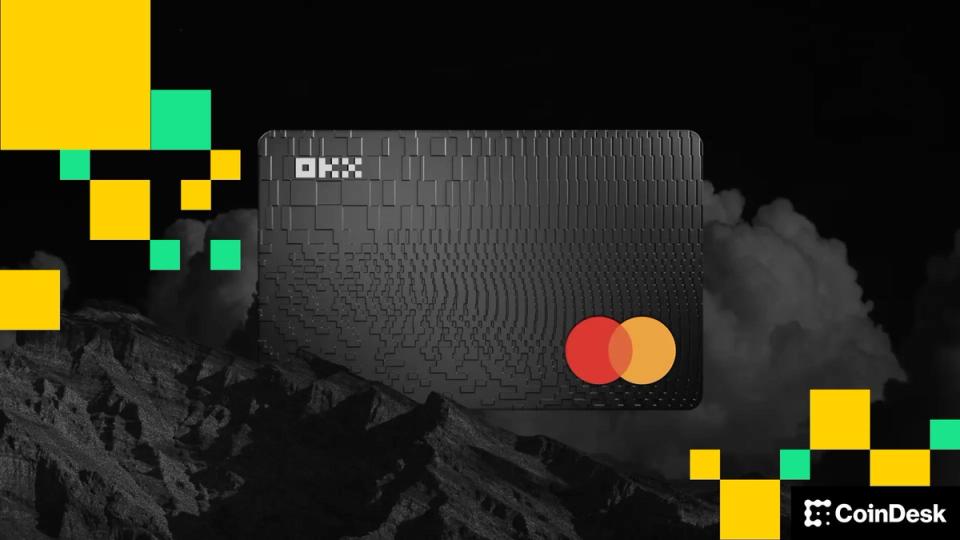
“We have recently launched real-world payment products, including OKX Pay and our OKX Card, that bring stablecoins into everyday use,” stated Erald Ghoos, CEO of OKX Europe. “Securing a Payment Institution license ensures that these products operate on a fully compliant footing.”
The Stablecoin Revolution Gains Momentum
OKX’s regulatory achievement comes on the heels of its January 2026 launch of a crypto payment card in partnership with Mastercard, marking a significant expansion of its European operations. This physical card allows users to spend their cryptocurrency holdings at millions of merchants worldwide, effectively bridging the gap between digital assets and traditional commerce.
The exchange’s enthusiasm for stablecoins extends beyond payment solutions. Through OKX Ventures, the company’s innovation investment arm, OKX recently backed STBL, a stablecoin issuance platform that has partnered with institutional heavyweights including Hamilton Lane and Securitize. This investment underscores OKX’s conviction that stablecoins represent the future of payments and settlement within the digital economy.
Understanding the Regulatory Landscape
The PSD2 framework, originally implemented to open up payment services to third-party providers, has evolved to encompass the unique characteristics of cryptocurrency and stablecoin transactions. Under the updated directive, stablecoins—particularly those pegged to fiat currencies like the US dollar or euro—fall under the EMT classification, requiring specific licensing for entities facilitating their transfer and use in payment scenarios.
MiCA, meanwhile, represents the European Union’s comprehensive approach to crypto-asset regulation, establishing uniform rules across all member states. For stablecoin issuers and service providers, MiCA introduces stringent requirements around reserve backing, governance, and operational transparency. OKX’s Payment Institution license ensures it can navigate this complex regulatory environment while continuing to innovate in the stablecoin space.
The Broader Implications for Crypto Adoption
OKX’s regulatory success reflects a broader trend in the cryptocurrency industry: the maturation from unregulated experimentation to compliant, institutional-grade services. As major players like OKX secure appropriate licensing, it signals to both consumers and traditional financial institutions that cryptocurrency can operate within established regulatory frameworks.
This normalization process is particularly crucial for stablecoin adoption. Unlike volatile cryptocurrencies, stablecoins offer price stability while maintaining the efficiency and programmability of digital assets. Their potential to streamline cross-border payments, reduce transaction costs, and provide financial services to the unbanked has attracted attention from central banks, commercial banks, and technology companies alike.
Looking Ahead: The Future of Payments
With its Malta license secured, OKX is well-positioned to capitalize on the accelerating adoption of stablecoins for everyday transactions. The company’s product roadmap suggests an ambitious vision: transforming how consumers and businesses interact with digital money.
The integration of OKX Pay and the Mastercard-backed payment card represents just the beginning. As regulatory clarity increases across jurisdictions and consumer familiarity with digital assets grows, we can expect to see an expansion of stablecoin-based financial products—from payroll solutions to lending platforms to sophisticated treasury management tools.
For the European market specifically, OKX’s compliance with MiCA and PSD2 positions it as a trusted partner for businesses seeking to incorporate cryptocurrency into their operations without navigating the complexities of multiple regulatory regimes. This unified approach to digital asset regulation could serve as a model for other regions grappling with similar challenges.
Conclusion
OKX’s acquisition of a Payment Institution license in Malta represents more than a regulatory compliance achievement—it’s a statement about the future of money. By securing the necessary authorizations to operate stablecoin payment services across Europe, OKX is helping to build the infrastructure for a more efficient, inclusive financial system.
As the March 2026 MiCA implementation deadline approaches, other cryptocurrency exchanges and service providers will likely follow OKX’s lead, pursuing appropriate licensing to ensure uninterrupted service to European customers. This regulatory alignment, combined with technological innovation, could accelerate the mainstream adoption of stablecoins and digital assets more broadly.
The cryptocurrency industry has evolved significantly since its early days of regulatory arbitrage and jurisdictional hopping. OKX’s approach—embracing regulation while pushing the boundaries of product innovation—may well define the next phase of digital asset adoption, where compliance and innovation work hand in hand to create value for users across the globe.
Tags & Viral Phrases:
Stablecoin revolution, crypto payments, OKX Europe, Malta crypto license, MiCA compliance, PSD2 regulation, digital asset adoption, institutional crypto, payment institution license, electronic money tokens, crypto card Europe, Mastercard partnership, stablecoin future, blockchain regulation, OKX Pay, STBL investment, Hamilton Lane crypto, Securitize partnership, European crypto framework, regulatory compliance crypto, digital finance innovation, cross-border payments, unbanked financial services, crypto mainstream adoption, payment services directive, markets in crypto-assets, cryptocurrency regulation, digital asset licensing, fintech evolution, blockchain payments, crypto financial products, treasury management crypto, payroll crypto solutions, institutional crypto services, crypto compliance strategy, digital money infrastructure, European Economic Area crypto, crypto-friendly jurisdiction, blockchain pioneer Malta, cryptocurrency exchange licensing, digital asset service provider, EMT classification crypto, stablecoin issuance platform, crypto investment arm, innovation in digital finance, regulatory arbitrage crypto, jurisdictional compliance, crypto product roadmap, financial system efficiency, inclusive financial services, cryptocurrency industry maturation, regulatory clarity digital assets, consumer crypto familiarity, unified digital asset regulation, trusted crypto partner Europe, cryptocurrency infrastructure development, mainstream stablecoin adoption, regulatory alignment innovation, value creation crypto users, global digital asset adoption
,


Leave a Reply
Want to join the discussion?Feel free to contribute!