
Waymo Asks the DC Public to Pressure Their City Officials
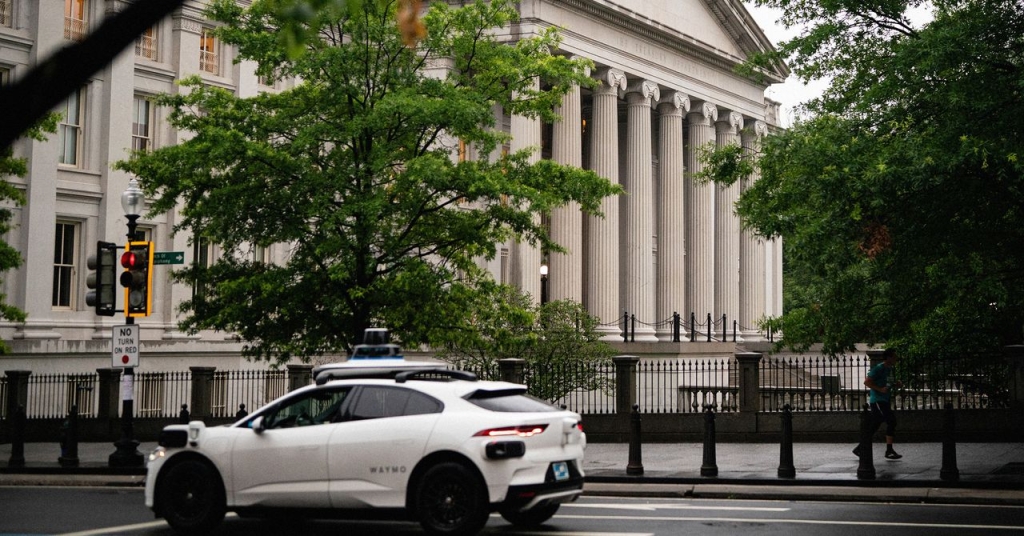
Waymo Turns to DC Residents to Push for Driverless Car Regulations
Alphabet’s self-driving subsidiary Waymo is taking an unconventional approach to breaking through regulatory barriers in Washington, DC, by mobilizing local residents to pressure city officials for permission to operate fully autonomous robotaxis.
For over a year, Waymo has been lobbying DC lawmakers to create regulations that would allow its driverless vehicles to operate on public roads. Currently, while self-driving cars can test in the district with human safety drivers, they cannot provide rides without someone behind the wheel. The company has told local officials, including Mayor Muriel Bowser and city council members, that it plans to launch driverless ride services in DC this year.
However, with progress stalled, Waymo is now enlisting its supporters to apply grassroots pressure. On Thursday, the company sent an email to residents who had signed up for its DC service, stating: “We are nearly ready to provide public Waymo rides to everyone in DC. However, despite significant support, District leadership has not yet provided the necessary approvals for us to launch.”
The email includes a form letter template directing recipients to contact DC officials. The suggested message reads: “Over the past year, I have observed Waymo vehicles operating throughout our local areas, and I am thrilled about the potential advantages this service could provide, including enhanced accessibility and a decline in traffic-related incidents.” Waymo encourages residents to personalize the message, noting that “personalized messages have a higher impact.”
The company emphasizes that only DC residents or those with DC addresses can participate in the campaign. In the first 90 minutes after the email was sent, Waymo reports that 1,500 people contacted district leaders through its platform.
“We’ll be ready to serve Washingtonians this year, and urge the Mayor, the District Department of Transportation, and the City Council to act,” said Waymo spokesperson Ethan Teicher in a written statement.
This grassroots lobbying approach mirrors tactics used by transportation disruptors like Uber and Bird in previous years. When those companies faced regulatory hurdles in cities where existing laws didn’t accommodate their business models, they mobilized users to pressure local officials for favorable regulations. The strategy proved successful, with Uber and Lyft ultimately securing state-level legislation that allowed their services to operate while limiting cities’ ability to create their own rules.
Waymo’s DC campaign reflects the company’s broader expansion strategy. While the company has traditionally launched services only in locations with clear regulatory frameworks—including California, Florida, and Texas—it’s now targeting larger blue-state cities where autonomous vehicle regulations remain ambiguous.
Earlier this month, Waymo announced plans to begin testing in Boston, where city lawmakers have pushed for ordinances requiring human drivers in self-driving taxis. The company has stated it needs Massachusetts lawmakers to “legalize fully autonomous vehicles” before launching service there.
The regulatory landscape for autonomous vehicles remains fragmented across the United States. While Waymo operates in six metro areas—Atlanta, Austin, Los Angeles, Miami, Phoenix, and the San Francisco Bay Area—and plans to expand to more than 10 cities this year, each new market presents unique regulatory challenges.
Waymo isn’t alone in navigating DC’s regulatory environment. Three other companies, including Nuro and Amazon-owned Zoox, have permits to test self-driving technology in the district. However, none have yet received approval to operate fully driverless services for the public.
The push for clearer federal regulations continues at the national level. On Tuesday, a House committee advanced legislation that would direct the federal government to create safety standards for autonomous vehicles and prevent states from passing laws prohibiting their sale or use. The bill would also bar states from requiring companies to submit detailed crash information, potentially streamlining the regulatory process for companies like Waymo.
As Waymo waits for DC officials to act, the company’s decision to mobilize residents represents a significant escalation in its regulatory strategy. By turning its user base into advocates, Waymo is applying direct pressure on city officials while demonstrating public support for its technology. Whether this approach will succeed in breaking through DC’s regulatory gridlock remains to be seen, but it signals the company’s determination to expand its driverless services despite local regulatory obstacles.
Tags: Waymo, robotaxis, autonomous vehicles, self-driving cars, DC regulations, Alphabet, Washington DC, driverless technology, transportation innovation, lobbying, grassroots advocacy, urban mobility, tech regulation
Viral phrases: “Waymo needs some help,” “apply some pressure,” “truly driverless,” “driver’s license” for autonomous vehicles, “brobilize customers,” “grassroots lobbying,” “regulatory gridlock,” “transportation disrupters,” “user base into advocates,” “breaking through regulatory barriers”
,


Leave a Reply
Want to join the discussion?Feel free to contribute!