
This Unexpected Ingredient Makes Bread Much Healthier
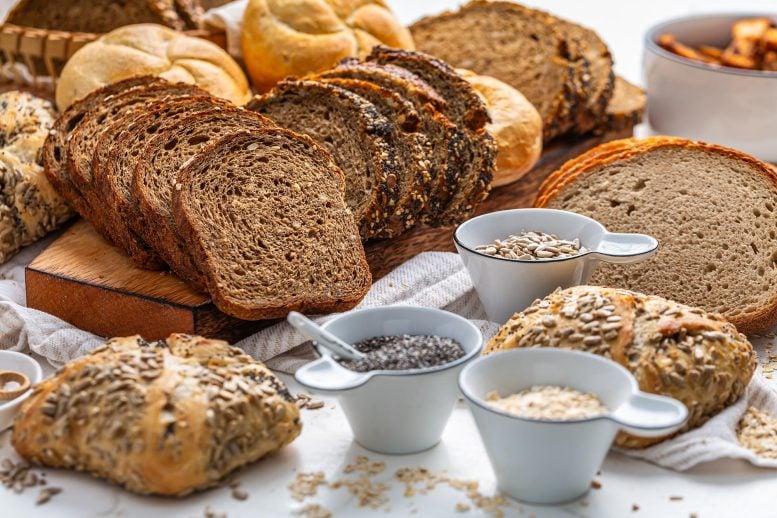
Researchers have discovered that a little-known by-product of sunflower oil production could dramatically improve the nutritional value of bread. As more people look for healthier options beyond traditional wheat products, researchers are exploring ingredients that can improve nutrition without sacrificing practicality. One promising candidate is partially defatted sunflower seed flour (SF) – a by-product of the sunflower oil industry that is rich in protein, fiber, and bioactive compounds. This ingredient, often discarded or underutilized, is now being recognized as a powerful tool for creating healthier bread that doesn’t compromise on taste or texture.
A study conducted by food scientists at a leading European university found that incorporating SF into bread recipes significantly boosted the nutritional profile of the final product. The flour is packed with essential amino acids, making it an excellent source of plant-based protein. Additionally, its high fiber content supports digestive health and helps regulate blood sugar levels, making it an ideal choice for individuals with diabetes or those looking to manage their weight. The researchers also noted that SF contains antioxidants, which can help combat oxidative stress and reduce the risk of chronic diseases.
One of the most exciting aspects of this discovery is its potential to address global food waste. Sunflower oil production generates large quantities of SF, which is often discarded or used in low-value applications. By repurposing this by-product for bread production, the food industry can create a more sustainable and circular economy. This aligns with the growing consumer demand for eco-friendly and ethically sourced products, making SF an attractive option for both manufacturers and consumers.
The study also highlighted the versatility of SF in baking. Unlike some alternative flours, which can result in dense or crumbly bread, SF blends seamlessly with wheat flour to produce loaves that are soft, flavorful, and visually appealing. This is a crucial factor for widespread adoption, as consumers are unlikely to embrace healthier options if they don’t meet their expectations for taste and texture. The researchers found that bread made with SF had a slightly nutty flavor and a moist crumb, making it a delicious and nutritious alternative to traditional bread.
Another significant benefit of SF is its potential to cater to the rising demand for plant-based and allergen-free foods. As more people adopt vegetarian, vegan, or flexitarian diets, the need for high-quality plant-based protein sources has grown. SF offers a sustainable and affordable solution, as it is derived from a widely cultivated crop that requires fewer resources than animal-based proteins. Additionally, SF is naturally gluten-free, making it suitable for individuals with celiac disease or gluten sensitivity.
The implications of this research extend beyond bread. SF could be used in a variety of baked goods, including muffins, cookies, and crackers, as well as in other food products like pasta and snacks. Its nutritional benefits and functional properties make it a versatile ingredient that could revolutionize the way we think about food production and consumption.
As the global population continues to grow, the need for sustainable and nutritious food solutions becomes increasingly urgent. The discovery of SF’s potential in bread production is a step toward addressing these challenges. By transforming a waste product into a valuable ingredient, researchers are paving the way for a more sustainable and health-conscious food industry.
This breakthrough also highlights the importance of innovation in the food sector. As consumers become more informed about the impact of their food choices on their health and the environment, there is a growing demand for products that align with these values. SF represents a win-win solution, offering both nutritional benefits and environmental sustainability.
In conclusion, the incorporation of partially defatted sunflower seed flour into bread production is a game-changer for the food industry. It offers a unique combination of health benefits, sustainability, and versatility, making it an ideal ingredient for the modern consumer. As research continues and awareness grows, SF has the potential to become a staple in kitchens around the world, transforming the way we think about bread and beyond.
Tags and Viral Phrases:
- Sunflower seed flour bread
- Healthier bread alternatives
- Sustainable food production
- Plant-based protein source
- Gluten-free baking
- Food waste reduction
- Nutritious bread recipe
- Sunflower oil by-product
- Eco-friendly food ingredients
- High-fiber bread
- Antioxidant-rich foods
- Circular economy in food
- Vegan bread options
- Diabetes-friendly bread
- Weight management foods
- Nutty flavor bread
- Soft and moist bread
- Innovative food solutions
- Future of baking
- Healthier eating trends
- Sustainable agriculture
- Bioactive compounds in food
- Essential amino acids
- Digestive health support
- Chronic disease prevention
- Allergen-free baking
- Flexitarian diet options
- Global food sustainability
- Food industry innovation
- Health-conscious consumers
- Nutrient-dense bread
- Affordable plant-based protein
- Versatile baking ingredient
- Reshaping the food industry
- Nutritional powerhouse
- Eco-friendly baking
- Modern bread revolution
- Science-backed nutrition
- Healthier lifestyle choices
- Bread for a better future
,


Leave a Reply
Want to join the discussion?Feel free to contribute!