
Stop Leaving These 7 Devices Plugged In: An Electrical Engineer Explains Why
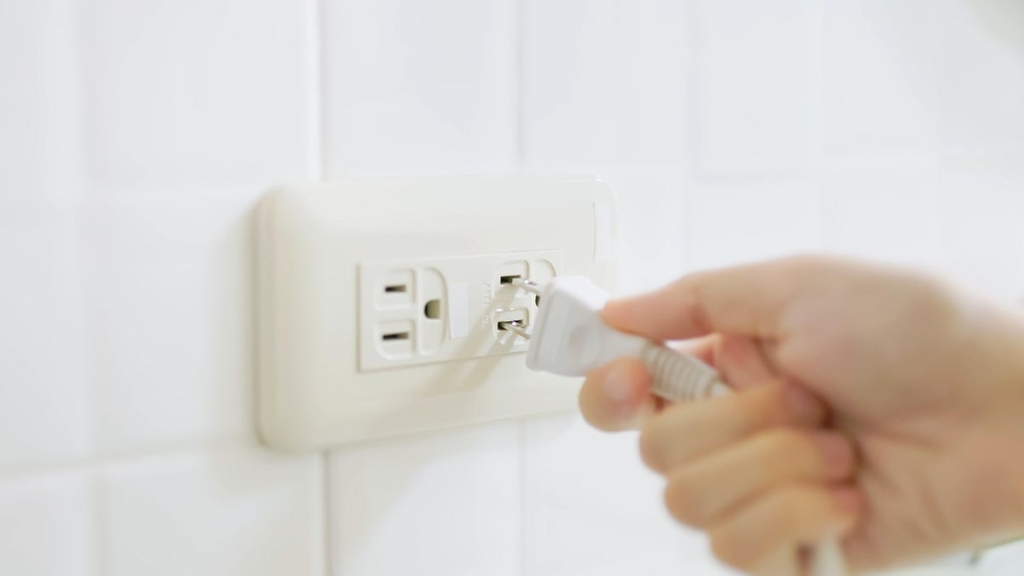
Unplug These 7 Devices Before Leaving Home — Safety Expert Warns of Hidden Fire Risks
In the rush of daily life, it’s easy to overlook the small appliances and electronics scattered throughout your home. But what happens to these devices when you head out? While large appliances like refrigerators and dishwashers remain plugged in, many smaller gadgets are often left connected to power without a second thought.
Unplugging devices such as toasters, hair dryers, and coffee makers when not in use can save energy and significantly reduce fire hazards. But the question remains: should these devices stay plugged in when you’re away?
To uncover the truth, we consulted Jerry Poon, a principal electrical engineer at Red Dog Engineering. His advice is clear: “My rule of thumb: If it gets hot, pulls a lot of power, or has a sketchy cord, unplug it. It’s the easiest safety habit you can have.”
While low-power electronics like phone chargers, alarm clocks, and laptops are generally safe to leave plugged in, certain devices demand extra caution. “What I see cause issues more often is people plugging high-draw devices into cheap power strips or old, loose outlets and then leaving the house,” Poon warns. “That’s where problems start.”
Here are seven devices you should always unplug when not in use:
1. Space Heaters
Space heaters top the list for a reason—they pose a significant fire risk when misused. According to the National Fire Protection Association, from 2019 to 2023, fire departments across the US responded to an estimated 38,881 “home heating equipment fires,” with space heaters and heating stoves accounting for 29% of these incidents.
To stay safe, never plug your space heater into an extension cord and always unplug it from the wall outlet before leaving your home or when it’s not in use.
2. Air Fryers
These countertop appliances have surged in popularity, but they should be treated with the same caution as space heaters. Never plug them into an extension cord and always unplug them when not in use—even if they’re turned off.
“‘Turned off’ isn’t always the same as safe,” Poon explains. “Some devices still have power flowing when they’re off, especially anything with a standby mode, digital display, or remote control. The bigger concern [with] heat-producing devices, even when off, [is] a failure inside the device or cord can cause problems if it’s plugged in.”
3. Portable AC Units
Portable air conditioners are considered “high-draw” devices. Even though they don’t produce heat, they should still be unplugged when you leave your home.
4. Hair Tools
Hair dryers, curling wands, and straightening irons may have an off switch, but that doesn’t mean they’re safe to leave plugged in. As Poon explains, the off switch could fail, posing a safety hazard.
5. Older Coffee Makers
Older coffee makers pose a greater risk than newer ones because they might not have an automatic shut-off, which means they could overheat if you forget to turn them off or unplug them on your way out.
Regardless of the coffee pot’s age, many experts recommend unplugging it from the wall as an extra layer of protection.
6. Lamps and Devices with Old Cords
“My rule of thumb is simple: if it gets hot, pulls a lot of power, or has a sketchy cord, unplug it,” Poon says. “It’s the easiest safety habit you can have.”
Older, or “sketchy” cords, as Poon says, can also pose a fire hazard if they are frayed. The same goes for old outlets. Your best bet is to have those replaced by a certified electrician before using them.
7. Toasters
Like coffee pots, toasters pose a fairly low fire risk, but in situations like this, it’s always better to err on the side of caution. You never know when a short circuit may occur when any of your devices are plugged in.
“The short version is this: Devices that make heat or have motors are the ones I’d never leave plugged in when I’m gone,” Poon says, later adding, “If something goes wrong, [it goes] wrong fast.”
What About Smaller Electronics?
For computer monitors, phone chargers, televisions, and alarm clocks, Poon says these don’t pose the same type of risk and can stay plugged in even when you’re not home.
“These don’t draw much current and generally aren’t a fire risk if the cords and outlets are in good shape,” he says.
Final Thoughts:
Unplugging devices when not in use is a simple yet effective way to protect your home and loved ones. By following these guidelines, you can reduce the risk of electrical fires and ensure your home remains safe. Remember, when in doubt, unplug it out!
Viral Tags & Phrases:
- “Unplug it out!”
- “Safety first, always unplug!”
- “Don’t let your devices turn into fire hazards!”
- “Simple habits, big safety impact!”
- “Protect your home, unplug your devices!”
- “Electrical safety made easy!”
- “Fire prevention starts with unplugging!”
- “Stay safe, stay smart, unplug!”
- “Your home’s safety is in your hands!”
- “Unplug to protect, it’s that simple!”
- “Don’t risk it, unplug it!”
- “Small steps, big safety wins!”
- “Unplug and relax, your home is safe!”
- “Electrical safety: Unplug and prevent!”
- “Fire hazards? Unplug and avoid!”
- “Unplug for peace of mind!”
- “Safety habits that save lives!”
- “Unplug today, protect tomorrow!”
- “Your home, your safety, your responsibility!”
,
Leave a Reply
Want to join the discussion?Feel free to contribute!