
RISC-V In Linux 7.0 Brings User-Space CFI & Optimized strlen Assembly
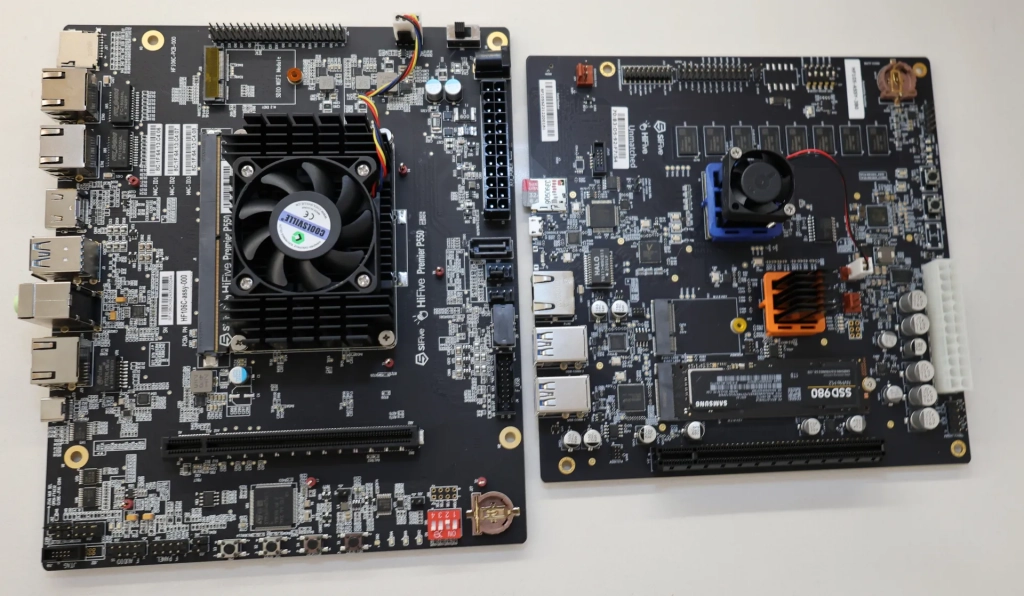
RISC-V Architecture Reaches Major Milestone in Linux 7.0 with Groundbreaking Security and Performance Enhancements
The open-source RISC-V architecture has achieved a significant breakthrough with its latest integration into the Linux 7.0 kernel, marking a pivotal moment in the evolution of this increasingly influential processor design. The merge introduces several critical improvements that not only enhance security but also optimize performance, positioning RISC-V as a formidable contender in the processor architecture landscape.
Control-Flow Integrity: A Quantum Leap in RISC-V Security
Perhaps the most consequential advancement in this release is the long-awaited implementation of Control-Flow Integrity (CFI) for user-space applications. This security feature, which has been available on Intel and AMD architectures for some time, finally arrives on RISC-V with Linux 7.0, representing a major leap forward in the architecture’s security capabilities.
CFI serves as a robust defense mechanism against Return-Oriented Programming (ROP) attacks, a sophisticated class of exploits that manipulate a program’s control flow to execute malicious code. By ensuring that all indirect calls in user-space applications land precisely on designated landing pad instructions—or trigger a software check exception if they don’t—RISC-V now offers comparable security assurances to its more established competitors.
The implementation leverages two new RISC-V instructions: “zicfilp” and “zicfiss,” which work in concert to enforce these strict control flow requirements. These instructions represent a thoughtful extension of the RISC-V instruction set, carefully designed to provide security benefits without compromising the architecture’s core principles of simplicity and efficiency.
What makes this particularly noteworthy is that RISC-V has managed to implement CFI without requiring significant hardware modifications, demonstrating the architecture’s flexibility and the ingenuity of its development community. This achievement could prove instrumental in accelerating RISC-V adoption in security-sensitive applications, from embedded systems to enterprise computing environments.
Assembly-Level Optimizations Deliver Tangible Performance Gains
Beyond security enhancements, Linux 7.0 brings substantial performance improvements to RISC-V through meticulous Assembly-level optimizations. The most prominent of these is the refined implementation of the string length function (“strlen”), a fundamental operation used extensively throughout software systems.
The optimization team has managed to reduce the loop body from four instructions to just three, while simultaneously eliminating an unconditional jump instruction. This seemingly modest change can yield meaningful performance improvements, particularly in applications that perform extensive string operations—a category that encompasses everything from text processing to network protocol handling.
These Assembly optimizations exemplify the kind of low-level craftsmanship that can make a significant difference in real-world performance. While higher-level optimizations often grab headlines, it’s these fundamental improvements to core functions that can deliver consistent, measurable benefits across the entire software ecosystem running on RISC-V processors.
The development team has indicated that additional Assembly optimizations are in the pipeline for future Linux kernel releases, suggesting that this is just the beginning of a broader performance optimization initiative for RISC-V. This commitment to continuous improvement bodes well for the architecture’s competitiveness in performance-critical applications.
Enhanced Debugging and System Compatibility
Linux 7.0 also brings important refinements to RISC-V’s debugging capabilities, particularly around vector register handling in the ptrace system call. This improvement enhances the architecture’s suitability for development and debugging workflows, making it easier for developers to inspect and manipulate vector registers during program execution.
Vector registers are crucial for applications that leverage SIMD (Single Instruction, Multiple Data) operations, including scientific computing, multimedia processing, and machine learning workloads. By improving ptrace support for these registers, Linux 7.0 makes RISC-V more attractive for developers working on performance-intensive applications that rely on vector operations.
Additionally, the kernel now includes built-in support for the ISO-8859-1 code page when mounting EFI volumes. While this might seem like a minor addition, it significantly improves compatibility with systems and storage devices that use this character encoding, reducing potential friction for users working with diverse hardware configurations.
Code Quality and Maintainability Improvements
As with any mature software project, Linux 7.0 also incorporates numerous code clean-ups for the RISC-V port. These behind-the-scenes improvements might not be immediately visible to end users, but they play a crucial role in ensuring the long-term maintainability and reliability of the architecture’s implementation in the kernel.
Code clean-ups typically involve removing deprecated functionality, simplifying complex code paths, improving documentation, and ensuring consistent coding practices throughout the codebase. These efforts reduce technical debt, make the code easier to understand and modify, and ultimately contribute to a more robust and reliable kernel for RISC-V systems.
Looking Ahead: The Future of RISC-V in Linux
The integration of these features into Linux 7.0 represents more than just incremental improvements—it signals RISC-V’s maturation as a serious contender in the processor architecture space. The addition of CFI brings security capabilities on par with established architectures, while the performance optimizations demonstrate that RISC-V can compete effectively in terms of raw computational efficiency.
For developers and organizations considering RISC-V for their projects, Linux 7.0 removes several important barriers to adoption. The enhanced security features make it suitable for applications where code integrity is paramount, while the performance improvements ensure that it can handle demanding computational workloads.
The RISC-V community’s ability to implement sophisticated features like CFI while maintaining the architecture’s core principles of simplicity and openness speaks to the strength of its development model. As more organizations and developers contribute to the ecosystem, we can expect to see continued innovation and improvement in future releases.
For those interested in the technical details of these changes, the full pull request is available through the Linux kernel mailing list, providing transparency into the development process and allowing interested parties to examine the specific implementation details.
These advancements in Linux 7.0 mark a significant milestone for RISC-V, bringing it closer to parity with established architectures while maintaining its unique advantages as an open, flexible, and royalty-free design. As the ecosystem continues to grow and evolve, RISC-V appears well-positioned to play an increasingly important role in the future of computing across a wide range of applications and devices.
Tags and Viral Phrases:
RISC-V architecture breakthrough, Linux 7.0 kernel release, Control-Flow Integrity implementation, user-space security enhancements, ROP attack prevention, zicfilp and zicfiss instructions, Assembly optimization techniques, strlen function performance boost, vector register debugging improvements, ISO-8859-1 EFI compatibility, open-source processor architecture, next-generation computing security, embedded systems innovation, developer-friendly debugging tools, performance-critical applications, RISC-V ecosystem growth, kernel-level security features, low-level optimization mastery, future of processor design, enterprise computing security, software integrity protection, computational efficiency improvements, RISC-V adoption acceleration, architecture flexibility demonstration, security-sensitive application development, SIMD operations support, technical debt reduction, code maintainability best practices, processor architecture evolution, royalty-free design advantages, community-driven development success, Linux kernel integration milestone, competitive processor landscape, security feature parity achievement, computational workload handling, transparency in development process, open architecture benefits, RISC-V community innovation, future computing technology trends, hardware-software co-design excellence, system compatibility enhancements, debugging workflow improvements, character encoding support, long-term reliability focus, performance optimization strategies, security-conscious computing, architecture maturation signal, development ecosystem strengthening, code integrity assurance, instruction set extension innovation.
,


Leave a Reply
Want to join the discussion?Feel free to contribute!