
Why did I get a £100 parking fine when charging my electric car? | Motoring
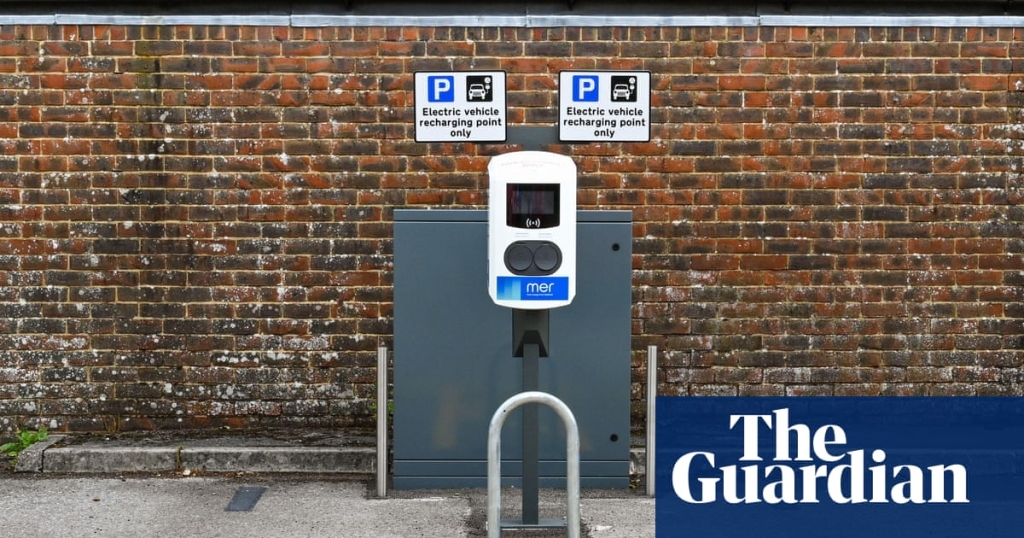
Electric Vehicle Owner Hit with £100 Fine for Charging at “24-Hour” Station
In a bizarre twist of parking enforcement that’s sparking outrage among EV drivers, a Surrey resident has been slapped with a £100 parking charge notice after using what was advertised as a 24-hour electric vehicle charging station at a local B&Q car park.
The incident, which occurred at the Mer EV charging station in Redhill’s retail park, has exposed a confusing web of contradictory signage and questionable enforcement practices that critics say unfairly targets electric vehicle owners.
The Charging Station That Wasn’t Always Open
DT, the affected driver, had plugged in his electric vehicle at the Mer charging station, expecting to take advantage of the facility’s advertised round-the-clock availability. However, what seemed like a straightforward charging session turned into a bureaucratic nightmare when Ocean Parking, the car park operator, issued a penalty charge notice.
The fine was issued because DT’s vehicle remained in the car park between 9 PM and 6 AM—hours when parking is technically prohibited, despite the charging station’s 24-hour claims.
A Signage Fiasco
The heart of the dispute lies in the confusing and contradictory signage throughout the Redhill retail park. Large entrance signs proudly declare “Free Parking for Up to 2 Hours,” creating an expectation of accessibility. However, buried in the fine print are restrictions that aren’t clearly communicated to drivers, particularly those using the EV charging facilities.
The sign behind the EV charger itself contains a line in “tiny font” that’s partially obscured by the cable frame, advising drivers to check parking restrictions. These restrictions are detailed on separate signs scattered around the car park—signs that many drivers, especially those focused on charging their vehicles, might easily miss.
Corporate Finger-Pointing
When confronted about the incident, Mer initially defended its signage as adequate but admitted that the “24-hour promise on its website had caused confusion.” The company has since amended its website to remove the potentially misleading information.
Ocean Parking’s response was equally problematic. The company claimed it had “no idea that the charger was in operation” until DT contacted them, suggesting they assumed he was merely parking. This defense strains credibility, especially since DT had clearly explained in his representation that he was using the charger, and Ocean’s rejection letter explicitly stated that charger users are not exempt from parking restrictions.
A Rare Victory for the Consumer
After media intervention, Ocean Parking performed a dramatic about-face. The company announced it would cancel all outstanding parking charge notices related to that specific location, uphold appeals, and offer refunds to motorists who had already paid.
“This is one of the most farcical parking disputes I’ve come across,” noted the consumer champion who investigated the case. “The fact that Ocean had to cancel all PCNs at that location speaks volumes about how indefensible their position was.”
Another Case of Questionable Enforcement
The article also highlights a similar case involving CH in Leicestershire, who received a £100 penalty from Euro Parking Services after stopping on a road in a business park to drink coffee. The PCN claimed he parked on “double yellow lines/crosshatched bay” in a “restricted area”—claims that photographs later proved false.
The sign CH was photographing, as captured in Euro Parking Services’ own CCTV images, was mounted at least three meters high with tiny print, clearly violating the International Parking Community’s code of practice requiring signs to be “conspicuous and legible.”
The Broader Implications
These cases highlight growing tensions between the rapid expansion of EV infrastructure and outdated parking enforcement practices. As more drivers transition to electric vehicles, clear communication about charging station availability and associated parking rules becomes crucial.
The incidents also expose potential flaws in the private parking enforcement system, where operators may prioritize revenue generation over fair treatment of motorists, particularly when signage is inadequate or contradictory.
Tags and Viral Phrases
EV charging nightmare, £100 parking fine, 24-hour charging station deception, confusing parking signage, electric vehicle owner outrage, B&Q car park dispute, Ocean Parking controversy, Mer EV charging problems, private parking enforcement abuse, EV driver penalty shock, contradictory parking rules, signage fiasco exposed, consumer champion intervention, parking charge notice injustice, electric vehicle infrastructure problems, unfair parking fines, EV charging confusion, parking enforcement gone wrong, driver rights violation, charging station accessibility issues
,


Leave a Reply
Want to join the discussion?Feel free to contribute!