
After spooking Hollywood, ByteDance will tweak safeguards on new AI model
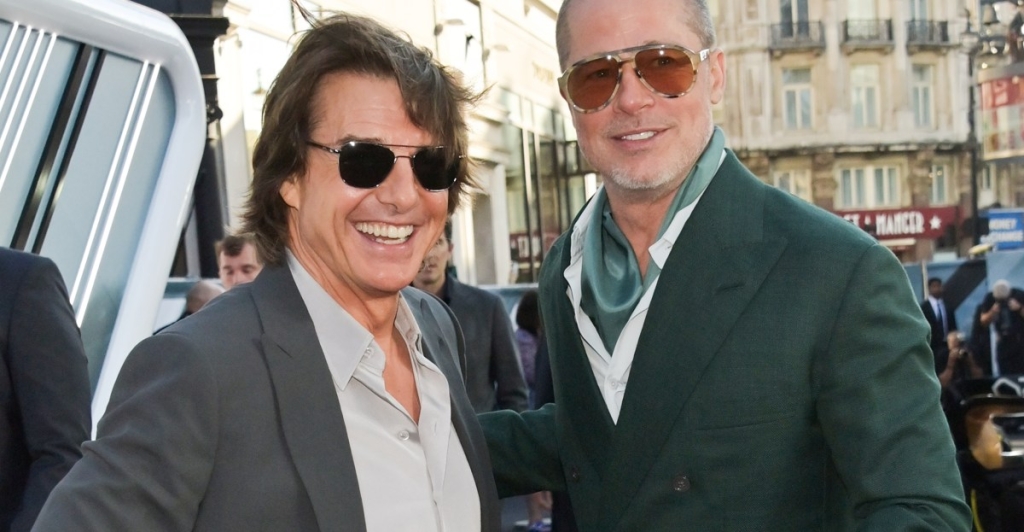
ByteDance Under Fire: Hollywood’s Copyright Battle with TikTok’s Parent Company Escalates Over AI-Generated Deepfakes
In a dramatic escalation of the ongoing conflict between Silicon Valley innovation and Hollywood’s creative industry, ByteDance—the Chinese tech giant behind TikTok—finds itself at the center of a legal and ethical storm following the explosive viral success of its AI video generator, Seedance 2.0. The hyperrealistic tool, which can generate astonishingly lifelike videos from simple text prompts, has ignited both public fascination and industry outrage after users began creating unauthorized content featuring the likenesses of A-list celebrities and beloved animated characters.
The controversy erupted last week when social media platforms were flooded with AI-generated videos showcasing eerily accurate depictions of Tom Cruise performing stunts, Brad Pitt in dramatic scenes, and animated characters from Dragon Ball Z, Family Guy, and Pokémon placed in entirely new contexts. The viral spread of these videos—some garnering millions of views within hours—quickly caught the attention of major entertainment conglomerates and Hollywood trade organizations, who viewed the phenomenon as a direct threat to their intellectual property rights and the livelihoods of creative professionals.
Hollywood’s Legal Onslaught
Disney was the first to strike, sending a cease and desist letter to ByteDance on Friday that accused the company of “hijacking” its protected intellectual property. The entertainment giant’s legal team argued that Seedance 2.0 was being used to “reproduce, distribute, and create derivative works” featuring Disney’s copyrighted characters without authorization. The letter specifically cited instances where users had generated videos featuring Disney’s iconic characters in scenarios that the company neither approved nor profited from.
Not to be outdone, Paramount Skydance quickly followed suit with its own legal demand, requiring ByteDance to remove all instances of Paramount content from the platform and implement technical measures to prevent future unauthorized generation of its intellectual property. The studio’s legal action emphasized the potential for brand damage and the erosion of carefully cultivated character identities when placed in AI-generated contexts beyond the company’s control.
The Motion Picture Association (MPA), representing the six major Hollywood studios, escalated the conflict further by issuing a scathing statement accusing ByteDance of engaging in copyright infringement at a “massive scale.” MPA CEO Charles Rivkin’s statement characterized Seedance 2.0’s operations as a direct challenge to “well-established laws that underpin millions of American jobs,” framing the dispute as not merely a legal matter but an existential threat to the creative economy.
SAG-AFTRA Joins the Fray
The Screen Actors Guild-American Federation of Television and Radio Artists (SAG-AFTRA), representing over 160,000 actors, broadcasters, and media professionals, added its powerful voice to the chorus of criticism. The union’s statement to AP News was particularly pointed, declaring that Seedance 2.0 had “disregarded law, ethics, industry standards and basic principles of consent.”
“This is unacceptable and undercuts the ability of human talent to earn a livelihood,” SAG-AFTRA stated emphatically. The union’s position reflects growing anxiety within the entertainment industry about AI’s potential to replace human performers, particularly for background roles, voice work, and even lead performances as the technology continues to advance.
The timing of this controversy is particularly sensitive, coming just months after the historic Hollywood strikes of 2023, where AI usage and compensation for digital likenesses were central issues in negotiations between studios and talent unions. The Seedance 2.0 controversy threatens to reignite these tensions at a moment when the industry was beginning to find equilibrium.
ByteDance’s Response and Technical Challenges
In response to the mounting pressure, ByteDance issued a carefully worded statement acknowledging the concerns while attempting to position itself as a responsible technology developer. “ByteDance respects intellectual property rights and we have heard the concerns regarding Seedance 2.0,” a company spokesperson told CNBC. “We are taking steps to strengthen current safeguards as we work to prevent the unauthorized use of intellectual property and likeness by users.”
However, industry observers note that implementing effective safeguards for AI video generation presents unprecedented technical challenges. Unlike traditional content moderation, which can rely on text-based filters and human review, preventing the generation of copyrighted characters requires sophisticated image recognition, extensive training data, and real-time processing capabilities that push the boundaries of current technology.
The fundamental tension lies in Seedance 2.0’s design philosophy. The tool was trained on vast datasets of publicly available video content, which necessarily included copyrighted material. While ByteDance maintains that its training practices fall under fair use doctrine, the entertainment industry vehemently disagrees, arguing that the commercial application of these AI models for content generation crosses a clear legal line.
The Broader Implications for AI and Creative Industries
This controversy represents a watershed moment in the evolving relationship between artificial intelligence and creative industries. Legal experts suggest that the outcome of this dispute could set important precedents for how AI-generated content is regulated, particularly regarding the use of copyrighted material in training datasets and the rights of individuals to control their digital likenesses.
Dr. Elena Rodriguez, a technology law professor at Stanford University, explains the complexity: “We’re dealing with a fundamental mismatch between existing copyright frameworks, which were designed for a world of physical media and human creators, and AI systems that can generate infinite variations of protected content. The law simply hasn’t caught up to the technology.”
The entertainment industry’s unified response also signals a recognition that AI-generated content represents an existential threat that requires coordinated action. Unlike previous technological disruptions that affected specific segments of the industry, AI video generation has the potential to impact every aspect of content creation, from writing and directing to acting and visual effects.
Technical Safeguards and Industry Standards
ByteDance’s promise to “strengthen current safeguards” raises questions about what technical measures are actually feasible. Industry experts suggest several potential approaches, though each comes with significant limitations:
Content fingerprinting systems could theoretically identify and block attempts to generate specific characters, but the computational resources required for real-time video analysis at scale would be enormous. More importantly, such systems would need constant updating as new characters and variations emerge.
Training data curation represents another approach, with companies potentially removing copyrighted material from their training datasets. However, this raises questions about how to define the boundaries of fair use and whether AI models can be effectively “retrained” without starting from scratch.
User authentication and content verification systems could require creators to prove ownership or licensing rights before generating certain types of content, but this would significantly impact the accessibility and viral nature that has made tools like Seedance 2.0 popular.
The Global Context and Competitive Pressures
The controversy takes on additional dimensions when viewed in the context of global AI development and US-China technological competition. ByteDance’s position as a Chinese company operating in Western markets adds layers of complexity to the legal and regulatory challenges it faces.
Industry analysts note that while Western companies like OpenAI and Google face increasing scrutiny over their AI practices, Chinese firms operate under different regulatory frameworks and competitive pressures. The success of Seedance 2.0 represents a significant achievement in AI video generation technology, potentially positioning ByteDance as a leader in this emerging field.
However, the legal challenges from Hollywood may force ByteDance to make difficult decisions about whether to continue operating in Western markets or focus on regions with more favorable regulatory environments. The company’s response to this crisis could determine whether it becomes a dominant player in global AI technology or faces restrictions that limit its international growth.
Looking Forward: The Future of AI and Creative Rights
As ByteDance works to implement new safeguards and the entertainment industry prepares for potential legal action, the broader questions about AI’s role in creative industries remain unresolved. The Seedance 2.0 controversy highlights the urgent need for updated legal frameworks that can address the unique challenges posed by generative AI technologies.
Some industry leaders are calling for collaborative approaches that would allow AI companies and content creators to find mutually beneficial arrangements. These might include licensing agreements for training data, revenue-sharing models for AI-generated content, and industry standards for attribution and compensation.
However, the current atmosphere of confrontation suggests that such cooperation may be difficult to achieve in the near term. The entertainment industry’s aggressive response to Seedance 2.0 reflects a belief that permissive approaches to AI content generation could fundamentally undermine the economic foundations of creative work.
Conclusion: A Defining Moment for Digital Creativity
The clash between ByteDance and Hollywood over Seedance 2.0 represents more than a legal dispute—it’s a defining moment in the evolution of digital creativity and intellectual property rights in the AI age. The outcome will likely influence how AI companies develop their technologies, how creative industries protect their assets, and how society balances innovation with the rights of creators.
As ByteDance works to strengthen its safeguards and Hollywood prepares its legal strategy, millions of users continue to experiment with AI video generation tools, often unaware of the complex legal and ethical questions their creations raise. The viral nature of these technologies ensures that the pressure for resolution will only intensify as more people discover the creative possibilities—and potential consequences—of AI-generated content.
The coming months will be crucial in determining whether this conflict leads to a new framework for AI and creative rights or whether it becomes another front in the ongoing battle between technological innovation and traditional industry power structures. One thing is certain: the genie of AI video generation is out of the bottle, and finding ways to responsibly manage its power will be one of the defining challenges of our digital age.
Viral Tags and Phrases:
- AI video generator controversy
- Seedance 2.0 viral videos
- Hollywood vs ByteDance
- Copyright infringement AI
- Tom Cruise deepfake
- Brad Pitt AI video
- Disney copyright lawsuit
- Paramount legal action
- Hollywood trade groups
- Motion Picture Association
- SAG-AFTRA AI concerns
- Intellectual property rights
- Generative AI ethics
- AI content creation
- Digital likeness rights
- Technology law challenges
- Creative industry disruption
- AI video generation
- ByteDance legal battle
- Entertainment industry AI
- Viral AI technology
- Celebrity deepfakes
- Animated character AI
- Fair use doctrine
- AI training data
- Content moderation AI
- Digital creativity
- US-China tech competition
- AI industry standards
- Creative rights framework
- Generative AI controversy
- Entertainment law
- Technology ethics
- AI development challenges
- Digital content creation
- Intellectual property protection
- AI innovation vs rights
- Future of creative industries
- AI legal precedents
- Technology regulation
- Creative economy impact
- AI content licensing
- Digital media evolution
- Entertainment technology
- AI creative tools
- Content generation AI
- Technology and law
- Digital rights management
- AI industry disruption
- Creative technology
,


Leave a Reply
Want to join the discussion?Feel free to contribute!