
Many consumer electronics manufacturers ‘will go bankrupt or exit product lines’ by the end of 2026 due to the AI memory crisis, Phison CEO reportedly says
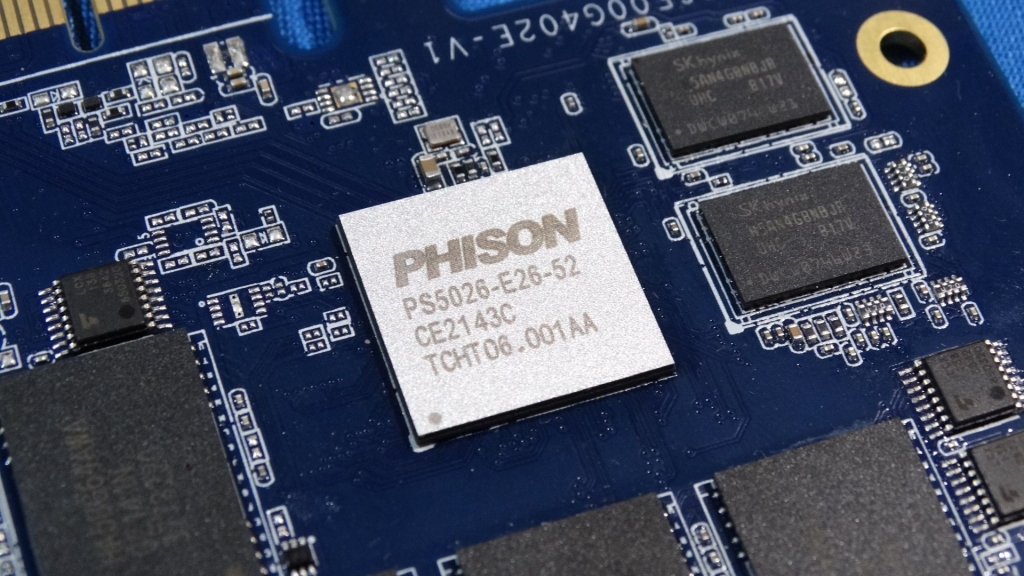
AI Memory Crisis: Phison CEO Warns of Mass Electronics Failures and 10-Year Shortages
The AI boom is causing a seismic shift in the global electronics market, and the consequences are starting to hit hard. According to a recent interview with Phison CEO Pua Khein-Seng, the memory shortage crisis is about to spiral into a full-blown catastrophe for consumer electronics manufacturers.
In a detailed breakdown shared on X by user 駿HaYaO, Pua Khein-Seng painted a dire picture of the industry’s future. The core takeaways from his interview are nothing short of alarming:
-
Memory Supply-Demand Imbalance Will Last Until 2030: The CEO emphasized that the demand for DRAM and NAND Flash is skyrocketing due to AI’s insatiable appetite for memory. Original equipment manufacturers (OEMs) are now demanding three years’ worth of prepayment—a move unprecedented in the electronics industry. This shift has created a seller’s market with unprecedented pricing power.
-
Consumer Electronics Will Suffer Massive Failures: Pua Khein-Seng warned that from the end of this year through 2026, many system vendors will go bankrupt or exit product lines due to a lack of memory. He specifically highlighted that mobile phone production could drop by 200-250 million units, while PC and TV production will see significant reductions.
-
Nvidia’s AI GPUs Will Consume 20% of Global NAND Capacity: The CEO pointed out that if Nvidia’s next-gen Vera Rubin AI GPUs ship in the tens of millions, each requiring over 20TB of SSD storage, they will consume approximately 20% of last year’s global NAND production capacity. This doesn’t even account for subsequent data storage needs.
-
Shortage Could Last 10 Years: Pua Khein-Seng revealed that memory manufacturers internally estimate the shortage will last until 2030—or even for another 10 years. This is due to the time it takes to build new factories (at least two years from announcement to production) and the high demand for equipment.
-
China’s Role Is Limited: While Samsung, Micron, SK Hynix, Kioxia, and Yangtze Memory are investing in new capacity, the CEO noted that China’s contribution will only account for 3-5% of global production in the initial stage. This is not enough to fill the 10-20% gap, and China’s domestic demand is so huge that there will be no outflow of cheap goods.
The implications of this crisis are staggering. Consumer electronics, from smartphones to laptops, will become scarcer and more expensive. Meanwhile, the AI industry will continue to gobble up memory resources, leaving traditional tech manufacturers struggling to survive.
Some analysts, like 駿HaYaO, have suggested that the crisis could have a silver lining for sustainability. With product lifespans extended and repairs prioritized over replacements, the environmental impact of electronics waste could be reduced. However, this argument falls apart when you consider that production is not decreasing—it’s just shifting toward AI-focused devices like Nvidia’s 1,400W B300 GPUs.
The memory crisis is a stark reminder of how AI’s rapid growth is reshaping the tech industry. As the shortage deepens, the question remains: Can the industry adapt quickly enough to avoid a complete collapse, or are we heading toward a decade of scarcity and disruption?
Tags & Viral Phrases:
-
AIMemoryCrisis
-
TechShortage2026
-
PhisonCEOWarning
-
NvidiaAIboom
-
MemoryShortage2030
-
ConsumerElectronicsFail
-
AIIsEatingMemory
-
TechIndustryCollapse
-
SustainabilityVsAI
-
MemoryPrepaymentCrisis
-
ChinaMemoryCapacity
-
TechManufacturingDisaster
-
AIIsJustGettingStarted
-
MemoryPricesSkyrocket
-
TechIndustrySurvivalMode
-
AIIsTheNewOil
-
MemoryShortageIsReal
-
TechCrisis2026
-
AIIsEatingTheWorld
-
MemoryShortageWillLastYears
-
TechIndustryIsBroken
-
AIIsTheFutureButAtWhatCost
-
MemoryShortageIsHereToStay
-
TechIndustryIsInTrouble
-
AIIsTheNewNormal
-
MemoryShortageIsTheNewNormal
-
TechIndustryIsChangingForever
-
AIIsTheNewNormalButAtWhatCost
-
MemoryShortageIsTheNewNormalButAtWhatCost
-
TechIndustryIsChangingForeverButAtWhatCost
,


Leave a Reply
Want to join the discussion?Feel free to contribute!