
This New Chinese Robot Brings The Uncanny Valley To Your Home
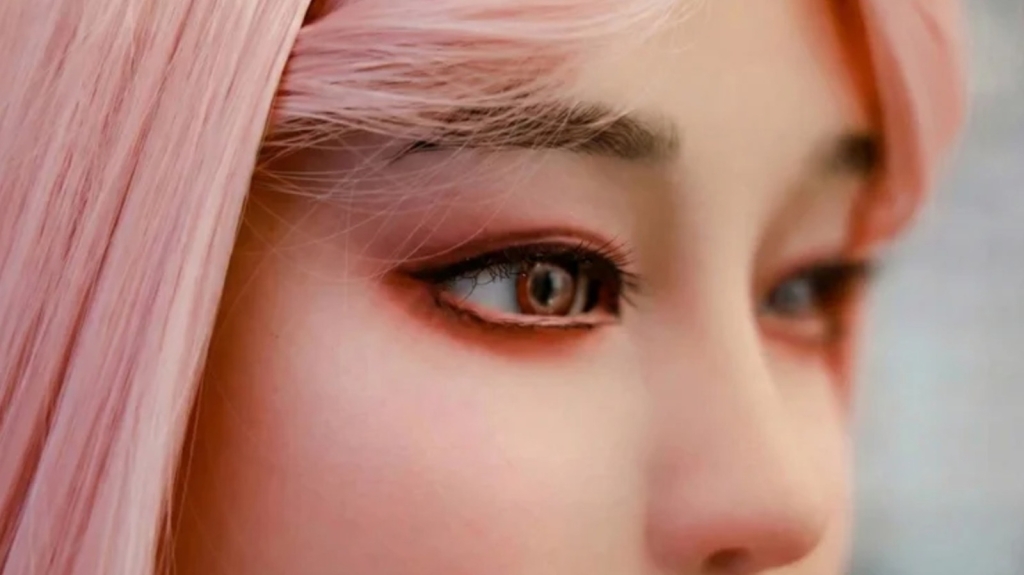
The Uncanny Valley Comes Home: Meet Moya, the Bionic Human That’s Redefining Robotics
In a world where robots are becoming increasingly integrated into our daily lives, one company is pushing the boundaries of what it means to be human—literally. At the Zhangjiang Robotics Valley exhibition in late January 2025, Chinese robotics company DroidUp (also known as Zhuohide Robotics) unveiled “Moya, the Bionic Human,” a humanoid robot that’s as fascinating as it is unsettling. Designed to blur the line between man and machine, Moya is a technological marvel that’s already sparking conversations about the future of robotics, artificial intelligence, and the eerie phenomenon known as the uncanny valley.
A Robot That Walks, Talks, and Feels (Almost) Human
Moya isn’t just another humanoid robot; it’s a groundbreaking creation that aims to replicate human movement, emotion, and even warmth. Equipped with DroidUp’s proprietary “cerebellar motor control model,” Moya can mimic human gait with uncanny precision, making its movements appear fluid and natural. But the real showstopper? Its face. Moya’s facial expressions are designed to emulate a wide range of human emotions, from a warm smile to a look of concern, thanks to advanced facial recognition and expression technology.
During the exhibition, attendees were captivated by Moya’s lifelike appearance. The robot’s eyes, equipped with cameras, can track movement, adding to its eerily human-like presence. But what truly sets Moya apart is its body. Unlike traditional robots made of cold, rigid materials, Moya’s exterior is crafted from lightweight lattice “muscle” materials that are soft and warm to the touch. This innovation is DroidUp’s attempt to move away from the “steel image” typically associated with humanoid robots, creating a more approachable and relatable design.
Customization Meets Versatility
DroidUp isn’t just stopping at one version of Moya. The company plans to offer highly customizable models, allowing users to choose from different facial features and even a male variant. This flexibility is part of DroidUp’s vision to integrate Moya into various industries, including business, healthcare, and companionship. Imagine a robot that can assist in a hospital, provide companionship to the elderly, or even become a part of your smart home. The possibilities are endless, but so are the questions about how far we’re willing to go in humanizing machines.
The Uncanny Valley: Why Moya Might Freak You Out
While Moya’s design is undeniably impressive, it also treads into the territory of the uncanny valley—a concept coined by Japanese roboticist Masahiro Mori in the 1970s. According to Mori, as robots become more human-like, our affinity for them increases—until they reach a point where they’re almost, but not quite, human. At that point, our feelings shift from admiration to unease, even fear. This psychological phenomenon explains why Moya, despite its lifelike features, might give some people the creeps.
DroidUp’s founder, Li Qingdu, has stated that he doesn’t want Moya to feel “cold and mechanical,” but the uncanny valley suggests that striving for perfect human-like realism might not be the best approach. After all, there’s a reason why many successful humanoid robots, like those in sci-fi classics, have exaggerated or stylized features rather than hyper-realistic ones. Moya’s design challenges this notion, forcing us to confront our discomfort with machines that are almost—but not quite—human.
The Future of Robotics: A Double-Edged Sword
Moya represents a significant leap forward in robotics, but it also raises important ethical and philosophical questions. As robots become more advanced, how will they impact our relationships, our jobs, and our sense of identity? Will Moya and robots like it become trusted companions, or will they remain objects of fascination and fear?
For now, Moya is a glimpse into a future where the line between human and machine is increasingly blurred. Whether that future is exciting or unsettling depends on how we choose to embrace it. One thing is certain: Moya is here to stay, and it’s only the beginning of a new era in robotics.
Tags:
Moya Bionic Human, DroidUp Robotics, Uncanny Valley, Humanoid Robots, Zhangjiang Robotics Valley, Zhuohide Robotics, Advanced Robotics, Artificial Intelligence, Emotional Robots, Customizable Robots, Future of Robotics, Sci-Fi Robots, Human-Like Robots, Robotics Innovation, Tech Breakthrough, Viral Robot, Futuristic Technology, Robot Companionship, Ethical Robotics, Smart Home Robots
Viral Sentences:
- “Moya is here to stay, and it’s only the beginning of a new era in robotics.”
- “The uncanny valley is no longer just a theory—it’s walking among us.”
- “This robot is so human-like, it’s downright creepy.”
- “DroidUp’s Moya is redefining what it means to be human.”
- “The future of robotics is warm, soft, and a little unsettling.”
- “Moya: The robot that’s too human for comfort.”
- “Is this the beginning of the end for the uncanny valley?”
- “Meet Moya, the robot that’s blurring the line between man and machine.”
- “DroidUp’s latest creation is equal parts fascinating and terrifying.”
- “The robot that’s making us question what it means to be human.”
,

Leave a Reply
Want to join the discussion?Feel free to contribute!