
After a decade of reviewing phones, I really miss metal backs
The Comeback of Metal-Backed Phones: Why We Need Them in 2026
As someone who’s been reviewing Android phones for over a decade, I’ve witnessed incredible technological leaps in performance, battery life, charging speeds, and camera capabilities. But amidst all these advancements, I find myself missing something fundamental from the past—the satisfying presence of metal-backed phones.
In today’s smartphone landscape dominated by glass and plastic designs, I’m yearning for the return of handsets with proper metal backs. While a metal frame can offer some premium feel, it’s simply not enough for me in 2026. Here’s why this seemingly retro design choice deserves a modern comeback.
Why Metal Backs Hold a Special Place in My Heart
The durability factor alone makes metal-backed phones worth bringing back. These devices can survive multiple drops without catastrophic damage, whereas glass backs crack and spiderweb at the slightest impact. The worst-case scenario with a metal phone is a dented rear cover—a cosmetic issue that doesn’t compromise safety. Compare that to a shattered glass back that can slice your hand or leave dangerous splinters, and the choice becomes clear. For anyone who prefers using their phone without a case, metal is the superior option.
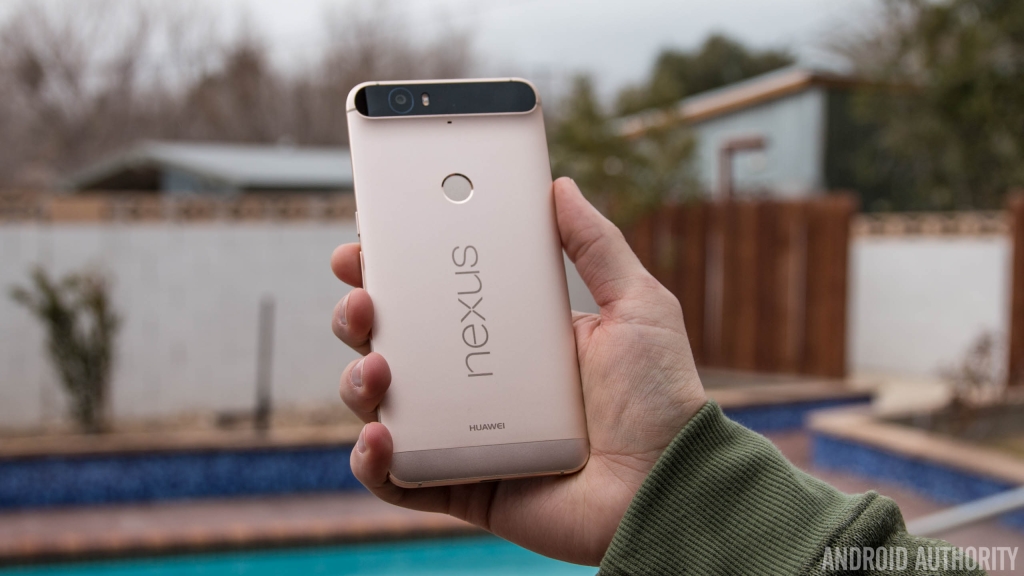
Beyond durability, there’s an undeniable premium aesthetic and tactile experience that metal provides. The cold, solid feel of a metal phone—exemplified by classics like the HTC One M8, HUAWEI Nexus 6P, and HUAWEI P9—creates a connection with the device that glass simply can’t replicate. There’s also the reassuring heft that signals quality craftsmanship.
Why Did Metal Backs Disappear?
The most commonly cited reason is wireless charging compatibility. Metal interferes with wireless charging signals, which became a must-have feature for flagship phones. However, this isn’t an insurmountable technical challenge. Google’s Pixel 5 from 2020 proved that with clever engineering—they covered the metal back with a thick plastic layer while incorporating cutouts specifically for wireless charging. Other devices like the Nokia Lumia 925 offered optional cases to enable the feature.
For mid-range phones that often skip wireless charging entirely, the absence of metal backs becomes even more puzzling. The likely culprit? Cost. Plastic backs are cheaper to produce than either glass or metal, making them the go-to choice for budget-conscious manufacturers.
Signal interference is another concern that’s often raised, but modern engineering has largely solved this issue. Phones with metal backs frequently incorporate plastic antenna strips or “windows” in the design—the Nexus 6P, OnePlus Nord 4, and even recent iPhones demonstrate that maintaining cellular reception with a metal body is entirely feasible.
There’s also the heat factor to consider. Metal backs can feel hot during intensive use since they act as heat sinks, drawing warmth away from internal components. While this might make the phone uncomfortable to hold, it actually benefits long-term performance by keeping internal temperatures lower and more stable.
The Metal Back Renaissance Has Already Begun
All hope isn’t lost for metal phone enthusiasts. The OnePlus Nord 4 made waves in 2024 with its impressive metal unibody design, earning praise from reviewers and users alike. Apple has taken an interesting approach with the iPhone 17 Pro series, featuring a metal unibody with a large plastic cutout specifically for wireless charging. HUAWEI’s Mate 80 Pro Max in China offers a similar concept with a smaller ring-shaped cutout.
These examples prove that manufacturers can overcome the traditional limitations of metal-backed designs while preserving their core benefits. As we move through 2026, I’m hopeful that more brands will recognize the value proposition of metal backs and bring them back to the mainstream.
The smartphone industry has become somewhat predictable, with most flagships looking nearly identical thanks to their glass sandwich designs. Metal backs could be the differentiator that helps phones stand out while offering tangible benefits to users. Whether it’s Samsung, Google, Xiaomi, or another major player, I’m eager to see who will lead the charge in reviving this classic design element.
After all, in a world where most phones feel increasingly similar, sometimes looking to the past provides the clearest path forward.
Tags: #MetalBackPhones #SmartphoneDesign #Durability #WirelessCharging #PhoneMaterials #TechNostalgia #2026Phones #OnePlusNord4 #iPhone17Pro #SmartphoneInnovation #TechTrends #AndroidAuthority
Viral Phrases: “Bring back metal backs!” “Glass phones are overrated” “The cold touch of quality” “Durable design for real-world use” “Wireless charging shouldn’t sacrifice durability” “Metal phones that can take a beating” “The satisfying heft of premium materials” “When your phone survives the drop” “Design that actually lasts” “The premium feel that plastic can’t match”
,


Leave a Reply
Want to join the discussion?Feel free to contribute!