
Apple Tests End-to-End Encrypted RCS Messaging in iOS 26.4 Developer Beta
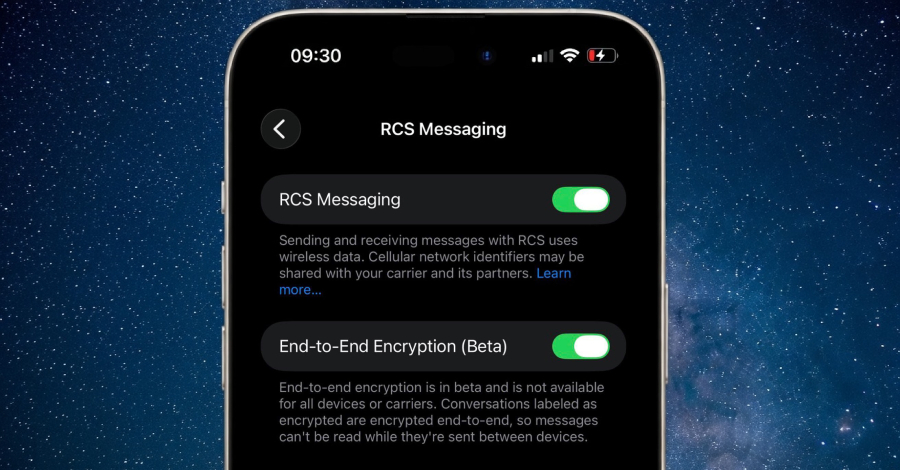
Apple Unveils iOS 26.4 Beta with Revolutionary RCS End-to-End Encryption and Enhanced Security Features
In a groundbreaking move that signals Apple’s commitment to cross-platform interoperability and user privacy, the tech giant has released the iOS and iPadOS 26.4 developer beta, introducing native support for end-to-end encryption (E2EE) in Rich Communications Services (RCS) messages. This development marks a significant shift in Apple’s messaging strategy, potentially bridging the long-standing gap between iPhone and Android users.
RCS Encryption: A New Era of Secure Cross-Platform Messaging
The most notable feature in this beta release is the implementation of end-to-end encryption for RCS conversations. For years, Android users have enjoyed the benefits of RCS messaging, including read receipts, typing indicators, and high-quality media sharing, while iPhone users remained confined to the aging SMS/MMS standard when communicating with non-Apple devices.
Apple’s adoption of RCS encryption represents a paradigm shift in mobile communications. According to the company’s release notes, “Conversations labeled as encrypted are encrypted end-to-end, so messages can’t be read while they’re sent between devices.” This means that when iPhone users communicate with Android devices via RCS, their conversations will enjoy the same level of security that iMessage has provided within the Apple ecosystem.
However, it’s important to note that this encryption currently works only between Apple devices. Messages sent from an iPhone to an Android device via RCS will be encrypted, but the reverse may not be true until Google implements compatible encryption standards. This limitation stems from the fact that RCS encryption requires both parties to support the same security protocols.
The Technical Foundation: MLS Protocol and Universal Profile 3.0
The implementation of RCS encryption in iOS 26.4 is built upon the Messaging Layer Security (MLS) protocol, which provides the cryptographic foundation for secure messaging. Apple will need to update to RCS Universal Profile 3.0 to fully support this feature across all platforms.
This move follows the GSM Association’s (GSMA) formal announcement last year confirming support for end-to-end encryption for RCS messages. The GSMA’s decision to standardize E2EE for RCS represents a significant step forward for mobile communications security, potentially making SMS-based attacks and interceptions far more difficult for malicious actors.
Memory Integrity Enforcement: Fortifying iOS Against Advanced Threats
Beyond RCS encryption, the iOS 26.4 beta introduces a powerful new security feature called Memory Integrity Enforcement (MIE). This enhancement represents Apple’s latest defense against sophisticated mercenary spyware attacks that have targeted high-profile individuals and organizations.
Previously, applications on iOS were limited to “Soft Mode” for memory safety protection. With MIE, developers can now opt-in to “full safeguards” that provide always-on memory safety protection across critical attack surfaces. This includes protection for the kernel and over 70 userland processes, all without imposing any performance overhead.
Apple first unveiled MIE last September as part of its comprehensive security strategy. The feature is designed to counter memory-based attacks that exploit vulnerabilities in how applications handle memory allocation and access. By enforcing strict memory integrity rules, MIE makes it significantly harder for attackers to execute arbitrary code or manipulate system memory.
Stolen Device Protection: Default Security for All iPhone Users
Another significant enhancement coming in iOS 26.4 is the expansion of Stolen Device Protection. According to reports from MacRumors, Apple plans to enable this feature by default for all iPhone users, marking a departure from the current opt-in approach.
Stolen Device Protection adds crucial layers of security for iPhone users by requiring Face ID or Touch ID biometric authentication for sensitive actions, particularly when the device is away from familiar locations like home or work. This includes accessing stored passwords, viewing credit card information, and making changes to Apple Account settings.
The feature also introduces a one-hour delay before allowing Apple Account password changes, even after successful biometric authentication. This delay provides users with a critical window to mark their device as lost if it’s stolen, potentially preventing unauthorized access to their Apple ecosystem.
Cross-Platform Implications and Industry Impact
Apple’s embrace of RCS encryption has far-reaching implications for the mobile communications industry. For years, the lack of iMessage on Android has been a significant factor in iPhone user retention, with many users reluctant to switch platforms due to the green bubble stigma and feature limitations.
By supporting RCS encryption, Apple is acknowledging the importance of cross-platform compatibility while maintaining its commitment to user privacy. This move could potentially reduce the friction in switching between iOS and Android devices, as users would no longer need to rely on inferior SMS messaging when communicating across platforms.
However, the success of this initiative depends heavily on Google’s implementation of compatible encryption standards. If Android devices can’t decrypt messages sent from iPhones via RCS, the feature’s utility will be significantly limited.
Developer Opportunities and App Ecosystem Enhancements
The iOS 26.4 beta also brings exciting opportunities for developers through the expanded Memory Integrity Enforcement capabilities. By allowing applications to opt-in to full MIE safeguards, Apple is providing developers with powerful tools to enhance their app security without compromising performance.
This development is particularly significant for apps that handle sensitive user data, such as financial applications, healthcare apps, and enterprise software. The ability to leverage Apple’s robust memory protection mechanisms could help developers build more secure applications while reducing their security development overhead.
Timeline and Availability
While the iOS 26.4 beta is currently available to developers, Apple has indicated that these features will be shipped to customers in future updates for iOS, iPadOS, macOS, and watchOS. This suggests a coordinated rollout across Apple’s ecosystem, potentially including support for RCS encryption on Mac computers and Apple Watches.
The timeline for public release typically follows a pattern of several beta releases followed by a public beta program, before the final stable release. Users can expect these features to become widely available in the coming months, though Apple hasn’t provided specific release dates.
Looking Ahead: The Future of Mobile Communications Security
Apple’s implementation of RCS encryption and enhanced security features in iOS 26.4 represents a significant step forward in mobile communications security. As cyber threats become increasingly sophisticated and privacy concerns grow among consumers, these features address critical vulnerabilities in how we communicate and protect our digital lives.
The integration of end-to-end encryption for RCS messages could potentially render traditional SMS-based attacks obsolete, while features like Memory Integrity Enforcement and Stolen Device Protection provide robust defenses against more advanced threats. These developments suggest that Apple is positioning itself as a leader in mobile security, potentially setting new standards for the entire industry.
As these features roll out to consumers, they could fundamentally change how we think about cross-platform messaging security and device protection. The coming months will be crucial in determining how effectively Apple can implement these technologies and how the broader industry responds to this new paradigm in mobile communications.
Tags:
Apple #iOS26.4 #RCS #EndToEndEncryption #MobileSecurity #iPhone #iPadOS #Privacy #Cybersecurity #TechNews #AppleNews #Messaging #CrossPlatform #SecurityFeatures #MemoryIntegrity #StolenDeviceProtection #GSMA #MLSProtocol #UniversalProfile #DeveloperBeta #TechInnovation
Viral Sentences:
Apple finally breaks the green bubble barrier with RCS encryption!
iOS 26.4 beta brings iPhone-Android peace treaty through secure messaging
Apple’s Memory Integrity Enforcement is the cybersecurity upgrade we didn’t know we needed
Stolen Device Protection coming to all iPhones by default – game changer for device security
The green bubble nightmare is over as Apple embraces RCS encryption
Apple’s cross-platform encryption move could reshape the mobile industry landscape
Memory Integrity Enforcement: Apple’s answer to sophisticated spyware attacks
iOS 26.4 beta features that will make Android users jealous
Apple’s security revolution: From iMessage exclusivity to universal encryption
The end of SMS vulnerabilities begins with iOS 26.4’s RCS implementation
Apple’s stolen device protection now mandatory – thieves beware!
RCS encryption in iOS 26.4: The feature that bridges iPhone and Android worlds
Memory Integrity Enforcement explained: How Apple is fighting back against mercenary spyware
iOS 26.4 beta reveals Apple’s master plan for universal secure messaging
The security features in iOS 26.4 that will keep your data safer than ever
Apple’s RCS encryption could be the death knell for traditional SMS messaging
Why iOS 26.4’s Memory Integrity Enforcement matters for everyday iPhone users
The cross-platform messaging revolution starts with Apple’s iOS 26.4 beta
How Apple’s stolen device protection could save millions from identity theft
iOS 26.4 beta: Apple’s most significant security update in years
,

Leave a Reply
Want to join the discussion?Feel free to contribute!