
macOS Tahoe 26.4 Displays Warnings for Apps That Won’t Work After Rosetta 2 Support Ends
macOS Tahoe 26.4: The End of an Era for Intel Macs and Rosetta 2
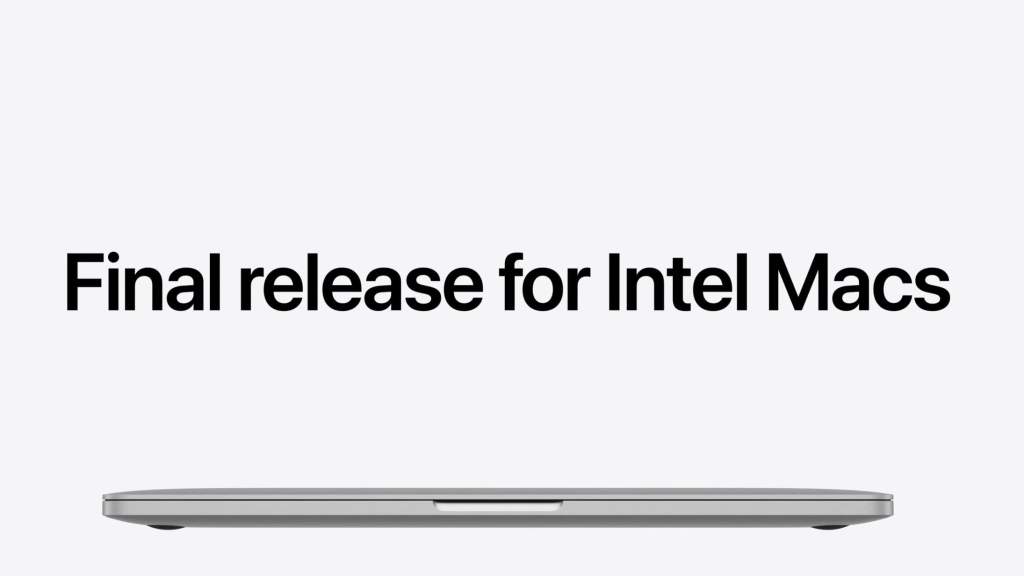
In a move that marks a significant milestone in Apple’s technological evolution, macOS Tahoe 26.4 is set to be the final version of Apple’s operating system to support Intel-based Macs. This announcement underscores Apple’s unwavering commitment to its Apple silicon transition, a journey that began in 2020 and is now approaching its culmination.
A Farewell to Intel: What This Means for Users
Apple has officially confirmed that macOS Tahoe 26.4 will be the last hurrah for Intel Mac users. Starting with this update, Apple is sending a clear message: the future is Apple silicon, and Intel-based Macs are living on borrowed time. This decision aligns with Apple’s strategic vision to create a more unified, efficient, and powerful ecosystem across all its devices.
For users still operating Intel Macs, this news serves as a critical wake-up call. While your device will continue to function, it will no longer receive the latest macOS updates, potentially leaving you vulnerable to security risks and missing out on new features and optimizations that Apple continues to develop exclusively for its Apple silicon lineup.
Rosetta 2: The Translator That Bridged Two Worlds
One of the most significant aspects of this transition is the impending end of Rosetta 2 support. Rosetta 2 has been the unsung hero for many Mac users, allowing Intel-based applications to run seamlessly on Apple silicon Macs by translating x86_64 code to ARM64. However, with macOS 27, this translation layer will be retired.
Starting with macOS Tahoe 26.4, users will begin to see pop-up warnings when launching apps that rely on Rosetta 2. These warnings will inform users that the application will cease to function once Rosetta 2 support ends with macOS 27. This proactive approach by Apple ensures that users are well-informed and can prepare for the transition ahead of time.
Apple’s Commitment to Legacy Support
Despite the end of Rosetta 2, Apple has shown consideration for certain legacy applications and use cases. The company has stated that it will continue to support older, unmaintained gaming titles that rely on Rosetta, as well as software running Intel binaries in Linux virtual machines, even beyond macOS 27. This decision reflects Apple’s understanding of the diverse needs of its user base and its commitment to providing a smooth transition path.
Additionally, Apple has hinted at the possibility of future security fixes for Intel-based Macs, although this is not guaranteed. This gesture, while limited, demonstrates Apple’s responsibility towards its long-time users who have invested in Intel-based Mac hardware.
The Journey to Apple Silicon: A Look Back
Apple’s transition to Apple silicon began in November 2020 with the launch of the M1 chip, which powered the first wave of Apple silicon Macs. This transition was not just a hardware change but a complete reimagining of what a Mac could be. The M1 chip brought unprecedented performance and efficiency gains, setting a new standard for personal computing.
Over the next three years, Apple systematically replaced its entire Mac lineup with Apple silicon variants. The transition culminated in 2023 with the release of the Apple silicon Mac Pro, marking the end of Intel’s presence in Apple’s desktop offerings. This transition has been widely praised by both consumers and industry experts for its seamless execution and the tangible benefits it brought to Mac users.
What Lies Ahead: macOS 27 and Beyond
With macOS 27 scheduled for release in September 2026, the clock is ticking for Intel Mac users. This upcoming version will not only mark the end of support for Intel-based Macs but also represent a significant leap forward in Apple’s software ecosystem. macOS 27 is expected to introduce new features and optimizations that leverage the full potential of Apple silicon, further widening the gap between Intel and Apple silicon Macs.
For users still on Intel Macs, this transition period offers a window of opportunity to plan their upgrade to Apple silicon. The benefits of making the switch are clear: improved performance, better energy efficiency, and access to the latest macOS features and security updates.
The Broader Impact: Industry and User Perspectives
Apple’s decision to end support for Intel Macs is more than just a technical update; it’s a statement about the future of personal computing. This move is likely to accelerate the adoption of Apple silicon across the Mac user base, potentially leading to a faster phase-out of Intel-based Macs in the secondary market.
From an industry perspective, this transition represents a significant shift in the PC landscape. Apple’s success with Apple silicon has put pressure on other manufacturers to innovate and improve their own silicon offerings. The end of Intel Mac support may also influence software developers to prioritize Apple silicon optimization, further entrenching Apple’s position in the high-end computing market.
Preparing for the Future: What Users Should Do
For Intel Mac users, the message is clear: it’s time to start planning your transition to Apple silicon. Here are some steps to consider:
-
Assess Your Current Setup: Evaluate which applications you rely on and whether they have Apple silicon-native versions available.
-
Backup Your Data: Ensure all your important files are backed up, preferably using Time Machine or another reliable backup solution.
-
Research Apple Silicon Options: Familiarize yourself with the current Apple silicon Mac lineup to determine which model best suits your needs.
-
Plan Your Budget: While Apple silicon Macs offer great value, they still represent a significant investment. Start saving if necessary.
-
Stay Informed: Keep an eye on Apple’s announcements and macOS updates to stay ahead of any changes that might affect your workflow.
Conclusion: Embracing the Apple Silicon Future
As macOS Tahoe 26.4 prepares to make its debut, it brings with it the bittersweet end of an era for Intel Macs. While this transition may be challenging for some users, it represents a bold step forward for Apple and its ecosystem. The company’s commitment to innovation and user experience is evident in its seamless transition to Apple silicon, which has already begun to reshape the computing landscape.
For those still on Intel Macs, the future is clear: Apple silicon is the way forward. As we approach the release of macOS 27 and the final curtain call for Intel Mac support, users have a unique opportunity to embrace the next generation of Mac computing. The transition may require some adjustment, but the rewards – in terms of performance, efficiency, and access to cutting-edge features – are well worth the effort.
As Apple continues to push the boundaries of what’s possible with its custom silicon, one thing is certain: the best is yet to come for Mac users willing to make the leap to Apple silicon.
Tags and Viral Sentences:
- macOS Tahoe 26.4
- End of Intel Mac support
- Rosetta 2 shutdown
- Apple silicon transition
- Last Intel Mac update
- macOS 27 release
- Apple’s silicon future
- Intel Mac users beware
- Rosetta 2 final warning
- Apple ecosystem evolution
- M1 chip anniversary
- Mac Pro Apple silicon
- Intel vs Apple silicon
- macOS update cycle
- Legacy app support
- Gaming on Mac
- Linux VMs on Mac
- Security updates for Intel
- WWDC 2025 announcements
- Apple Experience event
- iPhone 17e release
- M4 iPad Air
- Sales Coach app
- iPhone 18 Pro features
- HomePod mini 2
- Apple smart home products
- 2026 Apple product lineup
- Tech transition challenges
- Computing industry shift
- Apple ecosystem lock-in
- Performance benchmarks
- Energy efficiency gains
- Software optimization
- Developer priorities
- User upgrade strategies
- Data migration tips
- Apple silicon benefits
- Future of personal computing
- Innovation in tech industry
,

Leave a Reply
Want to join the discussion?Feel free to contribute!