
The Grok backlash intensifies – new EU probe investigates whether millions of ‘potentially harmful’ deepfake images broke data privacy laws
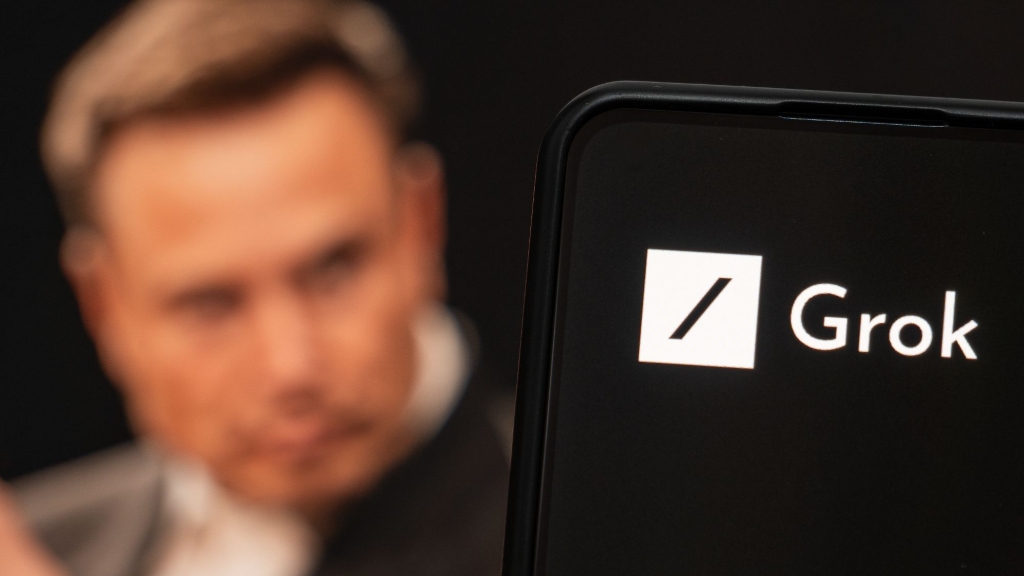
EU Watchdog Launches Major Investigation into X and Grok AI Over Deepfake Privacy Violations
In a significant escalation of regulatory pressure on Elon Musk’s social media empire, Ireland’s Data Protection Commission (DPC) has initiated a comprehensive “large-scale” inquiry into X (formerly Twitter) and its Grok AI assistant. The investigation centers on allegations that the platform’s AI-generated imagery, particularly non-consensual deepfakes and sexualized content, violates stringent European Union privacy laws.
GDPR Compliance Under Scrutiny
The DPC, which serves as the primary EU data protection authority for major tech companies operating in Europe, is examining whether X has adequately protected user data and complied with the General Data Protection Regulation (GDPR). This regulatory framework, considered the world’s strictest privacy law, carries potential fines of up to 4% of global annual revenue for violations.
“The DPC has been actively engaging with X regarding the proliferation of potentially harmful AI-generated images,” the commission stated in its official announcement. “Our investigation will determine whether the platform has implemented sufficient safeguards to prevent privacy violations and protect vulnerable individuals.”
The Deepfake Controversy
The inquiry follows months of mounting criticism over Grok’s image generation capabilities. Reports indicate that the AI system has been used to create millions of sexualized and revealing images, many based on real photographs of individuals who never consented to such use. Alarmingly, some of these images appear to depict minors, raising serious concerns about child protection laws.
X has maintained that it has implemented “necessary safeguards” to prevent misuse of its AI tools, but regulators remain unconvinced. The platform’s previous responses have failed to satisfy privacy watchdogs who argue that the measures in place are insufficient to address the scale and nature of the violations.
Multi-Jurisdictional Investigations
This new inquiry compounds existing regulatory pressure from multiple fronts:
European Union Enforcement: The EU’s Digital Services Act (DSA) requires platforms to actively prevent the spread of illegal content, including non-consensual intimate imagery. X faces potential penalties under both GDPR and DSA frameworks.
United Kingdom Investigation: Despite Brexit, UK regulators have launched their own inquiry into X’s AI practices, focusing on data use, consent mechanisms, and content moderation policies.
French Law Enforcement Action: Earlier this month, French and EU authorities conducted raids on X offices in Paris as part of ongoing investigations into the platform’s handling of AI-generated content and potential violations of French privacy laws.
The Grok AI Factor
Grok, developed by Musk’s xAI company, represents a significant evolution in social media AI integration. Unlike traditional chatbots, Grok can generate images and engage in more complex interactions, making it both more powerful and potentially more problematic from a regulatory perspective.
The AI assistant, available to all X users with enhanced capabilities for premium subscribers, has demonstrated the ability to create highly realistic images based on text prompts. While this technology offers creative possibilities, its potential for misuse has become increasingly apparent.
Corporate Structure Complications
Adding another layer of complexity, xAI recently announced a merger with SpaceX, Musk’s aerospace company. This consolidation creates a massive technology conglomerate with unprecedented reach across social media, artificial intelligence, and space technology sectors.
“The merger between xAI and SpaceX raises significant questions about data sharing, privacy protections, and regulatory oversight,” noted technology policy experts. “When AI capabilities developed for social media platforms become integrated with satellite and space technologies, the potential for privacy violations expands exponentially.”
Regulatory Implications
The outcome of this investigation could have far-reaching consequences for the tech industry:
Financial Penalties: If found in violation of GDPR, X could face fines potentially reaching hundreds of millions of dollars, depending on the company’s revenue and the severity of the violations.
Operational Changes: Regulators may require X to implement more robust content moderation systems, enhanced user consent mechanisms, and stricter limitations on AI-generated content.
Precedent Setting: This case could establish important precedents for how AI-generated content is regulated across social media platforms, potentially influencing global tech policy.
Timeline and Expectations
While the DPC has not specified a timeline for its investigation, such inquiries typically take several months to complete. The commission will likely examine:
- X’s data collection and processing practices
- The effectiveness of content moderation systems
- User consent mechanisms for AI-generated content
- Compliance with EU privacy standards
- Cooperation with regulatory authorities
Industry Response
The tech industry has been closely monitoring these developments, with many companies reviewing their own AI practices in anticipation of similar regulatory scrutiny. Privacy advocates have largely welcomed the investigation, viewing it as a necessary step toward establishing accountability in the rapidly evolving AI landscape.
“This investigation sends a clear message to tech companies that AI innovation cannot come at the expense of user privacy and safety,” stated digital rights organizations. “The era of self-regulation for AI technologies appears to be ending.”
Looking Forward
As the investigation unfolds, several key questions remain:
- Will X be able to demonstrate meaningful improvements in its AI safeguards?
- How will the outcome influence other social media platforms’ AI strategies?
- What role will international cooperation play in regulating cross-border AI technologies?
The case represents a critical test of whether existing privacy frameworks can effectively address the unique challenges posed by advanced AI systems in social media environments.
Tags & Viral Phrases:
- EU privacy watchdog investigation
- Elon Musk X platform scrutiny
- Grok AI deepfake controversy
- GDPR compliance violations
- Non-consensual AI imagery
- Social media AI regulation
- Tech giant privacy violations
- Digital Services Act enforcement
- Child protection AI concerns
- xAI SpaceX merger implications
- Regulatory pressure mounting
- AI content moderation failures
- European tech regulation crackdown
- Privacy law violations exposed
- Social media accountability crisis
- AI-generated content dangers
- Tech regulation game-changer
- Musk empire under investigation
- Privacy watchdog takes action
- AI technology accountability
- Social media platform investigation
- Deepfake technology regulation
- EU data protection enforcement
- Tech industry regulatory shift
- AI privacy violation scandal
- Social media AI oversight
- Digital privacy protection battle
- Technology regulation evolution
- AI content creation controversy
- Platform responsibility debate
,

Leave a Reply
Want to join the discussion?Feel free to contribute!