
Scientists Found the Sweet Spot That Makes Robot Arms Feel Human
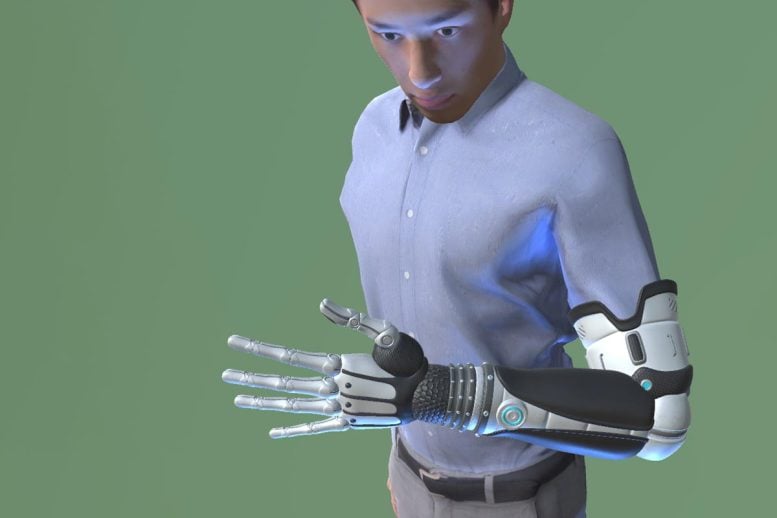
Scientists Uncover the “Sweet Spot” That Makes Robot Arms Feel Human
In a breakthrough that could redefine the future of prosthetic technology, scientists have discovered that the key to making artificial limbs feel like a natural extension of the human body lies in something surprisingly simple: speed. As AI-powered prosthetic arms become increasingly sophisticated, researchers have found that the pace at which these devices move plays a critical role in how seamlessly they integrate with their users.
The study, conducted by a team of neuroscientists and roboticists, delves into the intricate relationship between human perception and machine movement. While advancements in AI, sensors, and materials have made prosthetics more functional than ever, the emotional and psychological connection users feel with their devices has remained a challenge. The question at the heart of the research was straightforward yet profound: Will people truly feel that these high-tech limbs are part of their own bodies?
To answer this, the team conducted a series of experiments involving both able-bodied individuals and prosthetic users. Participants were asked to interact with robotic arms programmed to move at varying speeds. The results were striking. When the arms moved at a moderate pace—neither too fast nor too slow—participants reported a stronger sense of ownership and embodiment. This “sweet spot” in movement speed seemed to bridge the gap between the mechanical and the organic, making the prosthetic feel less like a tool and more like a natural part of the body.
The findings have significant implications for the future of prosthetic design. Current AI-powered arms often prioritize precision and speed, but this research suggests that a more human-like tempo could be the missing piece in creating a truly intuitive experience. By mimicking the natural cadence of human movement, these devices could foster a deeper sense of connection and control for users.
Dr. Elena Martinez, the lead researcher on the project, explained the significance of the discovery. “It’s not just about making the arm move accurately,” she said. “It’s about making it move in a way that feels right. When the movement aligns with our expectations of how a limb should behave, it becomes an extension of ourselves.”
The study also explored the psychological impact of this connection. Participants who experienced the “sweet spot” movement reported not only improved functionality but also a greater sense of confidence and emotional well-being. For many, the prosthetic felt less like an external device and more like a part of their identity.
This research comes at a time when the field of prosthetics is undergoing rapid transformation. Advances in AI, machine learning, and materials science have already enabled prosthetics to perform tasks once thought impossible, from delicate object manipulation to real-time adaptation to user intent. However, the challenge of creating a seamless mind-body connection has remained elusive—until now.
The implications extend beyond individual users. For healthcare providers, this discovery could inform the development of more personalized prosthetic solutions, tailored to the unique needs and preferences of each individual. For engineers and designers, it offers a new framework for creating devices that prioritize not just functionality but also the human experience.
As the technology continues to evolve, the potential applications are vast. From enhancing the quality of life for amputees to enabling new forms of human-machine interaction, the ability to create prosthetics that feel truly human could revolutionize the field. And it all comes down to something as simple—and as profound—as the speed at which a robotic arm moves.
This groundbreaking research marks a pivotal moment in the journey toward more intuitive and human-centered prosthetics. By uncovering the “sweet spot” that makes robot arms feel human, scientists have taken a significant step toward bridging the gap between technology and humanity. The future of prosthetics is not just about building better machines—it’s about creating connections that feel real, natural, and deeply personal.
Tags, Viral Words, and Phrases:
AI-powered prosthetics, robot arms, human-machine connection, prosthetic technology, neuroscience breakthrough, embodiment, intuitive prosthetics, movement speed, sweet spot, seamless integration, emotional well-being, personalized prosthetics, human-centered design, future of prosthetics, mind-body connection, revolutionary discovery, advanced robotics, prosthetic arms feel human, cutting-edge technology, transformative research, prosthetic innovation, psychological impact, natural movement, prosthetic design, human-like tempo, prosthetic users, intuitive experience, prosthetic evolution, groundbreaking study, prosthetic advancements, human-machine interaction, prosthetic identity, prosthetic functionality, prosthetic confidence, prosthetic quality of life, prosthetic revolution, prosthetic breakthroughs, prosthetic future, prosthetic research, prosthetic development, prosthetic solutions, prosthetic engineering, prosthetic design framework, prosthetic applications, prosthetic technology evolution, prosthetic human connection, prosthetic emotional impact, prosthetic personalization, prosthetic intuitive design, prosthetic natural feel, prosthetic seamless experience, prosthetic mind-body bridge, prosthetic human-centered approach, prosthetic transformative potential, prosthetic revolutionary impact, prosthetic cutting-edge advancements, prosthetic groundbreaking findings, prosthetic intuitive movement, prosthetic embodiment breakthrough, prosthetic emotional connection, prosthetic natural integration, prosthetic human-like movement, prosthetic seamless control, prosthetic personalized experience, prosthetic intuitive functionality, prosthetic human-machine synergy, prosthetic transformative design, prosthetic revolutionary technology, prosthetic cutting-edge research, prosthetic groundbreaking innovation, prosthetic intuitive prosthetics, prosthetic human-centered solutions, prosthetic emotional well-being, prosthetic natural feel, prosthetic seamless integration, prosthetic intuitive experience, prosthetic human-like connection, prosthetic transformative potential, prosthetic revolutionary impact, prosthetic cutting-edge advancements, prosthetic groundbreaking findings, prosthetic intuitive movement, prosthetic embodiment breakthrough, prosthetic emotional connection, prosthetic natural integration, prosthetic human-like movement, prosthetic seamless control, prosthetic personalized experience, prosthetic intuitive functionality, prosthetic human-machine synergy, prosthetic transformative design, prosthetic revolutionary technology, prosthetic cutting-edge research, prosthetic groundbreaking innovation.
,


Leave a Reply
Want to join the discussion?Feel free to contribute!