
These are the countries moving to ban social media for children
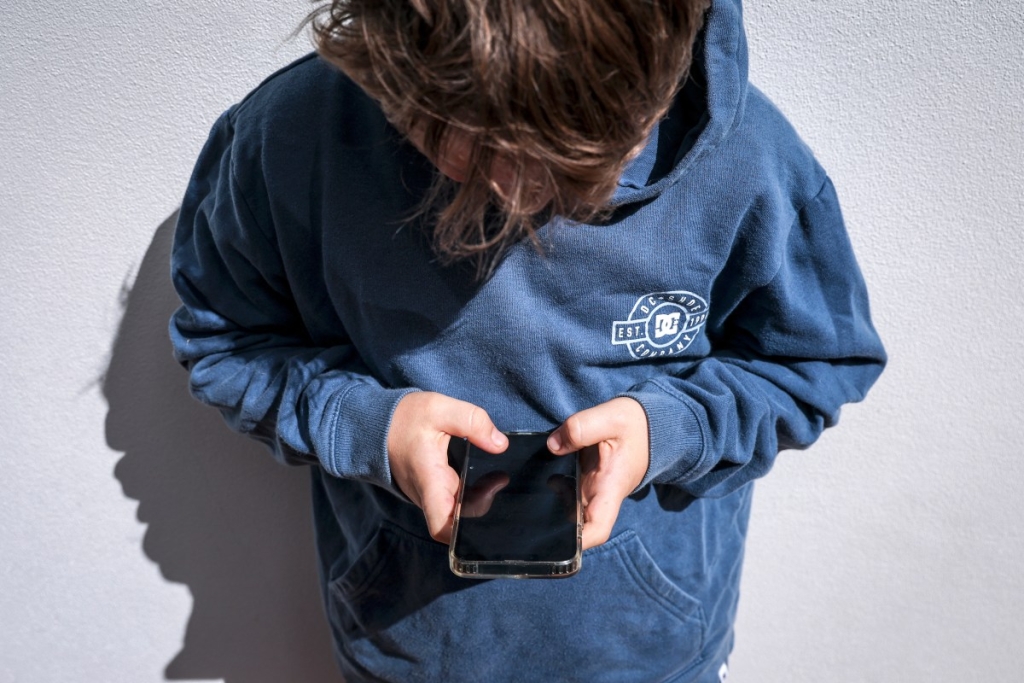
Global Surge in Social Media Bans for Kids: How Countries Are Taking a Stand
In a dramatic shift that’s sending shockwaves through Silicon Valley and beyond, governments worldwide are racing to clamp down on children’s access to social media. What began as a bold experiment in Australia has now ignited a global movement, with nations from Europe to Southeast Asia lining up to shield their youngest citizens from the digital wild west.
Australia: The Trailblazer That Lit the Fuse
When Australia announced its groundbreaking ban on social media for users under 16 in December 2024, few anticipated the domino effect it would trigger. The Land Down Under didn’t just dip its toes in the water—it dove headfirst, blocking major platforms including Facebook, Instagram, Snapchat, Threads, TikTok, X (formerly Twitter), YouTube, Reddit, Twitch, and Kick from anyone under the age limit.
The Australian government made it crystal clear: social media companies must implement robust age verification systems—no more relying on the honor system of self-reported birthdates. Companies that fail to comply face eye-watering penalties of up to $49.5 million AUD (approximately $34.4 million USD). Notably, the ban carves out exceptions for WhatsApp and YouTube Kids, suggesting a nuanced approach rather than blanket prohibition.
Europe’s Regulatory Reckoning
Denmark: Swift Action on the Horizon
Just months after Australia’s move, Denmark announced in November 2025 that it had secured parliamentary support from both governing coalition parties and opposition members to ban social media for children under 15. The Danish government is moving with remarkable speed, with legislation potentially becoming law by mid-2026. Adding to their digital defense arsenal, Denmark is developing a “digital evidence” app featuring age verification tools that could become a model for other nations.
France: Presidential Push for Protection
French lawmakers dealt a significant blow to Big Tech in late January 2026, passing legislation that would prohibit social media access for users under 15. President Emmanuel Macron has thrown his considerable political weight behind the measure, framing it as essential protection against excessive screen time and its associated harms. The bill now faces scrutiny in the Senate before a final vote in the lower house, but the momentum appears unstoppable.
Germany: Coalition Complications
Germany’s path forward reveals the political complexities of such bans. In early February, Chancellor Friedrich Merz’s conservative bloc discussed prohibiting social media for under-16s, but Reuters reported that center-left coalition partners expressed hesitation about an outright ban. This political tug-of-war highlights how even nations committed to digital child protection must navigate internal divisions.
Slovenia: Drafting Digital Defenses
Slovenia joined the fray in early February when the deputy prime minister announced legislation to prohibit children under 15 from accessing social media. The government is specifically targeting platforms where content is shared, with TikTok, Snapchat, and Instagram squarely in their regulatory crosshairs. This focused approach suggests governments are learning to target the most problematic platforms rather than issuing blanket bans.
Spain: Accountability and Age Limits
Spain’s prime minister dropped a double bombshell in early February: not only does the country plan to ban social media for children under 16, but it’s also pursuing legislation that would make social media executives personally accountable for hate speech on their platforms. This two-pronged approach—combining age restrictions with corporate accountability—represents one of the most aggressive regulatory frameworks proposed to date. Parliamentary approval remains pending, but the political will appears strong.
Mediterranean Momentum
Greece: On the Brink of Ban
Greece is reportedly on the cusp of announcing a social media ban for children under 15, according to Reuters reports from early February. While details remain scarce, the Mediterranean nation’s movement toward restriction signals that this is no longer a phenomenon confined to Northern Europe or the Anglosphere.
Southeast Asia’s Digital Detox
Malaysia: 2026 Implementation
Malaysia made waves in November 2025 when the government announced plans to ban social media for children under 16, with implementation targeted for 2026. This Southeast Asian nation’s decision underscores how the movement has transcended geographic and cultural boundaries, becoming a truly global phenomenon.
The United Kingdom: Consultation and Consideration
The UK is taking a more measured approach, weighing a ban on social media for under-16s while committing to extensive consultation with parents, young people, and civil society organizations. The government is also exploring whether to require social media companies to limit or remove features that drive compulsive use, such as endless scrolling. This consultative approach suggests the UK may seek a middle path between Australia’s hardline stance and more permissive alternatives.
The Controversy: Privacy vs. Protection
Not everyone applauds these sweeping measures. Critics, including Amnesty Tech, have blasted such bans as ineffective quick fixes that fail to address the complex realities of younger generations’ digital lives. Privacy advocates warn about invasive age verification requirements that could create massive databases of sensitive personal information. Others argue that these bans represent excessive government overreach into family decision-making.
The tension between protecting children and preserving digital rights has become one of the defining policy debates of our time. As more countries move forward despite these concerns, the question becomes whether the perceived benefits outweigh the potential costs to privacy and personal freedom.
The Tech Industry’s Response
Social media companies find themselves in an unprecedented position, facing a coordinated global push to restrict their youngest users. While some platforms have introduced voluntary age restrictions and parental controls, the scale and speed of government action have caught many off guard. The industry now faces a stark choice: comply with varying national regulations or risk massive fines and potential market exclusion.
Looking Ahead: The Future of Digital Childhood
As 2026 approaches, the landscape of children’s digital access stands at a crossroads. Will these bans prove effective in protecting young users, or will they drive children toward less regulated corners of the internet? Will the privacy concerns materialize into the data security nightmares that critics predict? And perhaps most importantly, how will a generation raised with restricted social media access differ from those who came before?
One thing is certain: the era of unrestricted social media access for children appears to be drawing to a close. As more nations join Australia in drawing digital boundaries around childhood, the global conversation about technology, protection, and personal freedom enters a new and uncertain chapter.
Tags: social media ban, children online safety, digital age restrictions, tech regulation, government intervention, privacy concerns, age verification, cyberbullying prevention, mental health protection, social media addiction, digital childhood, platform accountability, global tech policy, online predators, screen time limits, data privacy, youth digital rights, regulatory compliance, technology ethics, internet safety
Viral Phrases: “The digital wild west,” “Silicon Valley shockwaves,” “coordinated global push,” “unprecedented position,” “data security nightmares,” “digital boundaries around childhood,” “crossroads of children’s digital access,” “defining policy debates of our time,” “stark choice: comply or be excluded,” “uncertain chapter in tech regulation”
,

Leave a Reply
Want to join the discussion?Feel free to contribute!