
Giant viruses may be more alive than we thought
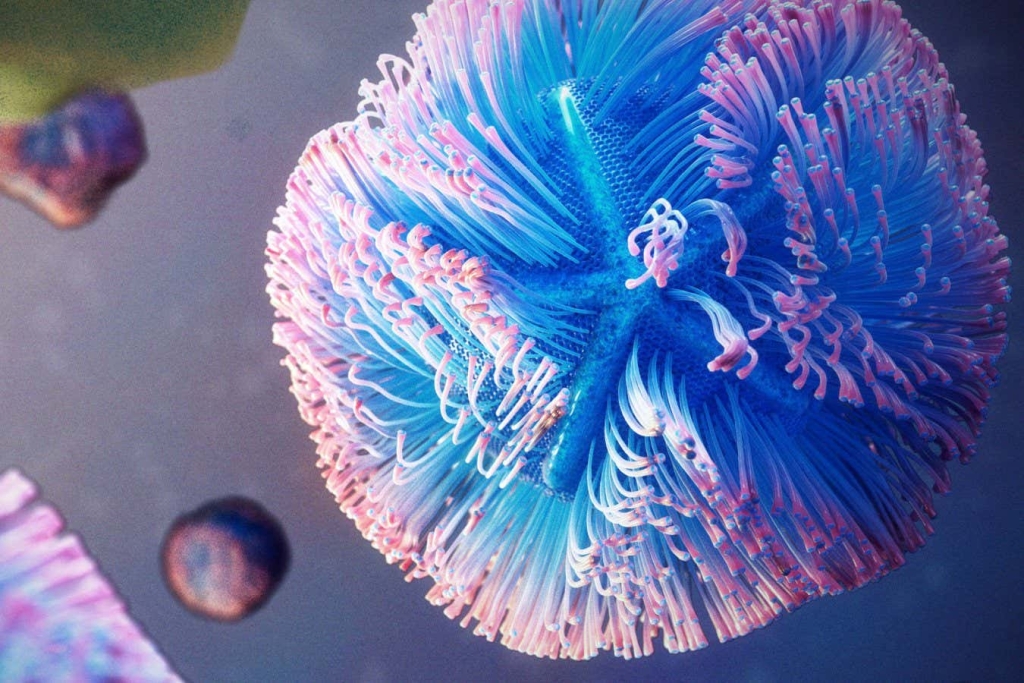
Giant Viruses Rewrite the Rules of Life: Mimivirus Hijacks Host Cells with Viral Translation Complex
In a groundbreaking discovery that challenges our understanding of life itself, researchers have uncovered that certain giant viruses possess their own molecular machinery to hijack host cells and produce viral proteins. This remarkable capability blurs the long-standing boundary between living and non-living entities, potentially rewriting the story of life on Earth.
The Viral Revolution: Mimiviruses and Their Astonishing Complexity
Since the 2003 discovery of mimivirus in Bradford, UK, scientists have been captivated by these colossal infectious agents that defy conventional viral classification. Unlike typical viruses that rely entirely on host cell machinery, mimiviruses—which infect amoebae—are so large they rival some bacteria in size and possess hundreds of genes encoding complex functions.
The latest research, led by Max Fels at Harvard Medical School, reveals that mimiviruses encode a crucial component of the translation machinery—the molecular system that converts genetic information into proteins. This discovery represents a paradigm shift in virology, suggesting these giant viruses have evolved sophisticated mechanisms to control protein synthesis within infected cells.
How Giant Viruses Hijack the Protein Factory
When a mimivirus infects an amoeba, it doesn’t simply wait for the host to produce viral proteins. Instead, it deploys its own translation initiation complex—a molecular assembly that normally exists only in cellular organisms. The Harvard team demonstrated this by isolating ribosomes from infected cells and identifying viral proteins associated with these protein-making factories.
The evidence became irrefutable when researchers knocked out the genes encoding this viral complex. The results were dramatic: viral production plummeted by up to 100,000-fold, and the formation of new infectious particles was severely impaired. This indicates that the viral complex actively redirects the host’s protein-synthesis machinery during infection, ensuring massive production of viral structural proteins.
Surviving Harsh Conditions: Viral Resilience
Perhaps most remarkably, these viral translation complexes can function even under extreme conditions that typically shut down protein synthesis in host cells. When faced with nutrient deprivation and oxidative stress, the mimivirus machinery continues operating, allowing the virus to maintain protein production when the host cell’s own systems fail. This resilience provides a significant evolutionary advantage in the unpredictable environments where amoebae live.
Evolutionary Implications: Living Fossils or Gene Thieves?
The discovery raises profound questions about viral evolution and the nature of life itself. How did these viruses acquire such sophisticated cellular machinery? Two competing theories dominate the debate:
The “viral ancestor” hypothesis suggests giant viruses descended from ancient cellular life forms that lost their ability to reproduce independently over evolutionary time. Under this view, mimiviruses represent living fossils—remnants of a fourth domain of life that once existed alongside bacteria, archaea, and eukaryotes.
The “gene acquisition” hypothesis proposes that normal viruses gradually stole genes from their hosts through horizontal gene transfer during infection. Over millions of years, natural selection preserved genes that provided competitive advantages, resulting in the complex molecular toolkit observed in modern giant viruses.
Frank Aylward of Virginia Tech, who wasn’t involved in the study, supports the gene acquisition model: “Giant viruses have acquired a wide range of cellular machinery from their eukaryotic hosts throughout their evolution. Gene exchange can occur during infection, and over long evolutionary timescales, natural selection may retain genes that confer an advantage.”
Environmental Pressures and Selective Advantages
The evolutionary pressure driving these developments becomes clear when considering the environments where giant viruses thrive. Many infect single-celled organisms like amoebae that experience fluctuating conditions far more variable than the stable tissues of multicellular hosts. In these dynamic environments, retaining flexible control over protein synthesis offers a significant selective advantage.
Hiroyuki Ogata of Kyoto University emphasizes the broader significance: “Viruses have long been considered rather passive entities in the evolution of living systems. This study shows that giant viruses can reshape molecular systems that are otherwise stably conserved across the domains of life.”
Unanswered Questions and Future Directions
Despite these groundbreaking findings, many mysteries remain. The mimivirus genome encodes approximately 1,000 proteins, yet the functions of most remain unknown. Scientists still don’t understand how these viruses precisely regulate protein production throughout a single infection cycle or what triggers the activation of their translation machinery.
The research also leaves open questions about the prevalence of this capability among other giant viruses and whether similar mechanisms exist in viruses that infect different hosts. Understanding these systems could have profound implications for biotechnology, potentially leading to new tools for protein production or novel antiviral strategies.
Viral Complexity Challenges Life’s Definition
This discovery fundamentally challenges our definition of life. For decades, viruses occupied a gray area between living and non-living—they possess genetic material and evolve, but cannot reproduce independently. Giant viruses with their own translation machinery blur this distinction further, possessing key features once thought exclusive to cellular life.
As research continues to reveal the astonishing complexity of these viral giants, one thing becomes clear: the story of life on Earth may need to be rewritten to include these remarkable entities that have been hiding in plain sight, quietly reshaping our understanding of biology’s most fundamental questions.
tags
giant viruses, mimivirus, viral translation, protein synthesis, cellular machinery, Harvard Medical School, viral evolution, amoebae infection, molecular biology, gene acquisition, horizontal gene transfer, viral complexity, life definition, biotechnology applications, evolutionary biology, viral research, protein production, cellular organisms, viral genes, host cell manipulation
viral_sentences
Giant viruses blur the boundary between living and non-living things
Mimiviruses encode their own translation machinery
Viral production dropped 100,000-fold when translation genes were knocked out
Viruses can function under harsh conditions like nutrient deprivation
Gene exchange during infection drives viral evolution
Giant viruses may represent a fourth domain of life
Viruses reshape molecular systems conserved across all domains of life
Viral complexity challenges our definition of what constitutes life
The story of life on Earth may need to be rewritten
These viral giants have been hiding in plain sight
Viruses possess sophisticated mechanisms to control protein synthesis
The discovery represents a paradigm shift in virology
Viral machinery continues operating when host systems fail
Single-celled hosts experience more variable conditions than multicellular organisms
Most mimivirus proteins still have unknown functions
Viral translation complexes offer significant evolutionary advantages
Horizontal gene transfer drives viral complexity over millions of years
The research leaves key questions about viral regulation unresolved
Giant viruses may be descended from vanished cellular life forms
,


Leave a Reply
Want to join the discussion?Feel free to contribute!