
PowerBook 3400 is ‘world’s fastest’ laptop: Today in Apple history
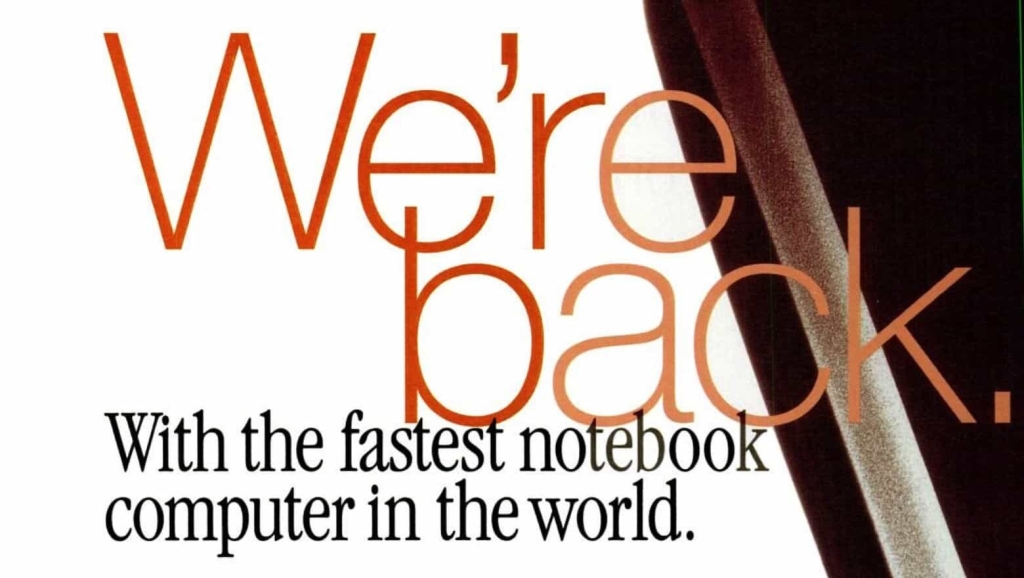
The PowerBook 3400: Apple’s Blazing Fast Laptop That Burned Bright (But Briefly)
On February 17, 1997, Apple Computer—then struggling to regain its footing in the tech world—unveiled what it boldly proclaimed as the “world’s fastest portable computer.” The PowerBook 3400 wasn’t just another incremental upgrade in Apple’s laptop lineup; it was a statement of intent, a technological tour de force that showcased Cupertino’s engineering prowess at a time when the company desperately needed a win.
The Need for Speed
At the heart of this revolutionary machine pulsed a PowerPC 603e processor, capable of blistering speeds up to 240MHz. In an era when most laptops were still crawling along at 100-133MHz, the PowerBook 3400 was in a league of its own. Apple’s marketing team didn’t mince words, declaring it “full-tilt multimedia” capable of “watching smooth-running, full-screen QuickTime movies” and “surfing the World Wide Web” with unprecedented fluidity.
The significance of this speed cannot be overstated. While desktop Macs of the era were pushing boundaries, the idea that a portable machine could keep pace was genuinely revolutionary. For creative professionals, students, and business users alike, the PowerBook 3400 represented the tantalizing possibility of workstation-class performance in a package you could actually carry.
Innovation Beyond Raw Power
But speed alone doesn’t tell the full story of why the PowerBook 3400 was special. Apple packed this laptop with features that were genuinely ahead of their time. The hot-swappable drive bay was perhaps the most practical innovation—users could eject the CD-ROM drive and replace it with a floppy, magneto-optical, or other compatible drive without shutting down the system or even putting it to sleep. In an age when hot-swapping was rare and often dangerous, this was genuinely convenient.
The laptop also marked Apple’s first foray into PCI architecture, EDO memory, and a 64-bit wide internal bus in a portable form factor. These weren’t just marketing bullet points—they represented genuine technological advancement that would influence laptop design for years to come.
The Price of Progress
Of course, cutting-edge technology comes at a premium. The PowerBook 3400’s price tag ranged from $4,500 to $6,500—staggering figures in 1997 that translate to roughly $9,000 to $13,000 in today’s money. This positioned it firmly in the luxury computing segment, accessible only to well-funded professionals, educational institutions, or the most dedicated Apple enthusiasts.
Yet for that price, buyers received something truly special: the fastest laptop on planet Earth, at least for a moment. Apple’s advertisements didn’t shy away from the premium positioning, instead leaning into it with confidence that bordered on swagger.
A Brief Reign
Here’s where the story takes a bittersweet turn. The PowerBook 3400’s reign as the world’s fastest laptop lasted barely ten months. By November 1997, Apple had already discontinued the model, making way for the next generation of PowerBooks. In the rapidly evolving world of technology, even world-beating products can have shelf lives measured in months rather than years.
This brevity wasn’t necessarily a failure, however. The PowerBook 3400 represented a crucial bridge period for Apple—a time of transition as the company, under Steve Jobs’ increasingly influential guidance, prepared for its renaissance. Launched during Jobs’ return to the company, it embodied both the promise of Apple’s engineering heritage and the uncertainty of its future direction.
Historical Context: Apple’s Moment of Truth
The PowerBook 3400 arrived during one of the most pivotal periods in Apple’s history. The company was simultaneously launching its iconic “Think Different” advertising campaign, signaling a renewed commitment to innovation and creativity. Yet internally, Apple was in flux, with Jobs consolidating power and beginning the process of streamlining Apple’s bloated product line.
Most products launched in 1997, including the PowerBook 3400, were inherited from previous management rather than conceived under Jobs’ direct oversight. They represented the old Apple—technically impressive but perhaps lacking the cohesive vision that would soon define the company’s resurgence.
Legacy and Influence
While the PowerBook 3400 itself was short-lived, its influence extended far beyond its brief production run. It paved the way for the PowerBook G3 family, which adopted the same G3 processor that powered the groundbreaking original iMac in 1998. This processor architecture would go on to power the colorful iBook in 1999, helping establish Apple’s reputation for combining performance with distinctive design.
The technological innovations introduced in the PowerBook 3400—particularly the hot-swappable drive bay and advanced bus architecture—influenced laptop design standards for years to come. Even Apple’s modern MacBook Pro line, with its emphasis on performance and user-friendly features, owes some debt to the pioneering work done on this early ’90s powerhouse.
The PowerBook 3400 Today
Today, the PowerBook 3400 exists primarily in the memories of Apple enthusiasts and the collections of vintage computer aficionados. Its once-revolutionary PowerPC processor is now obsolete, its operating system long abandoned, and its expansion capabilities quaint by modern standards. Yet in its time, it represented the absolute cutting edge of portable computing.
For those who owned one, the PowerBook 3400 was more than just a computer—it was a statement. It said that you valued performance above all else, that you were willing to pay a premium for the best technology available, and that you believed in Apple’s vision even during its darkest days.
Looking Back
The PowerBook 3400’s story is ultimately one of ambition, innovation, and the relentless pace of technological progress. It was a product that pushed boundaries, challenged conventions, and briefly held the title of world’s fastest laptop. While its reign was short, its impact on Apple’s product development philosophy and on the broader evolution of laptop computing was lasting.
In the grand narrative of Apple’s history, the PowerBook 3400 represents a crucial chapter—one where the company demonstrated that it could still innovate and compete at the highest levels, even as it prepared for the transformative changes that would soon redefine both Apple and the entire technology industry.
Do you remember the PowerBook 3400? What was your experience with this groundbreaking laptop? Share your memories in the comments below.
Tags & Viral Phrases:
- world’s fastest laptop 1997
- Apple PowerBook 3400 review
- PowerPC 603e processor speed
- vintage Apple laptop collectors
- Steve Jobs return Apple 1997
- hot-swappable drive bay innovation
- Apple Think Different campaign
- PowerBook G3 successor
- 240MHz laptop revolutionary
- Apple transition period technology
- vintage Mac computing history
- fastest portable computer ever
- Apple engineering prowess 1990s
- PowerBook 3400 price 1997
- Apple laptop evolution timeline
,

Leave a Reply
Want to join the discussion?Feel free to contribute!