
Original Witcher story lead says the surprise twist at the end ‘was a mistake,’ because instead of focusing on Geralt the sequel was forced into ‘a story about witchers who are killing kings for some reason’
The Witcher’s Original Ending Was Supposed to Be a Mystery—Then the Studio Changed It
In a fascinating revelation that’s sending ripples through the gaming community, Artur Ganszyniec, the lead story designer of the original The Witcher RPG, has disclosed that the game’s iconic ending—which many fans consider a masterstroke of narrative design—was actually a last-minute addition that the story team never intended.
Ganszyniec recently completed a full playthrough of the 2007 classic, documenting his journey across 26 YouTube episodes. As the credits rolled on his nostalgic return to the game he helped create nearly two decades ago, he dropped a bombshell about one of gaming’s most memorable conclusions.
The Ending That Almost Wasn’t
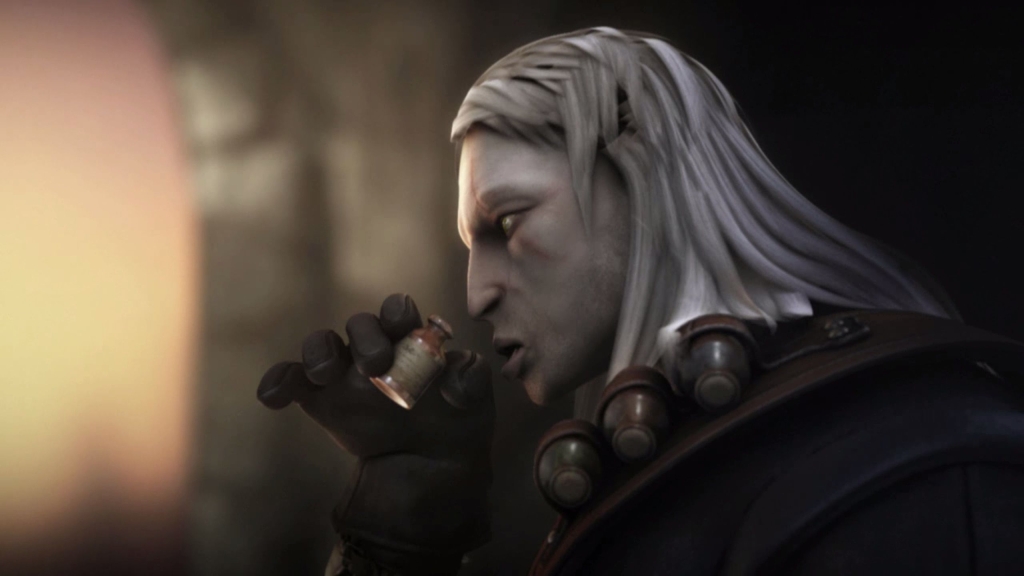
For those who need a refresher, The Witcher‘s ending features protagonist Geralt collecting his payment from King Foltest, walking toward what seems like a peaceful departure—only to be confronted by a mysterious assassin. The twist? The would-be killer is revealed to be another witcher, his face obscured but unmistakably bearing the distinctive cat-like eyes of Geralt’s order.
This revelation serves as a perfect cliffhanger, setting up what would become the political intrigue-heavy The Witcher 2: Assassins of Kings. But according to Ganszyniec, this wasn’t the creative team’s original vision at all.
“That’s where we wanted the game to end, like with an open question and open future,” Ganszyniec explained during his YouTube playthrough. “But while we were finishing the game, someone decided—like the board decided, or [CD Projekt co-founder Michał Kiciński] decided that we needed an animated outro of the game.”
The script for this dramatic twist was created “not really involving the story team,” Ganszyniec revealed. “We weren’t really paying attention. And that was a mistake I think.”
The Creative Constraints That Followed
What makes this revelation particularly interesting is how the unplanned ending shaped the entire direction of the franchise. The mysterious witcher assassin essentially locked CD Projekt into a specific narrative trajectory for the sequel.
“It became evident that the next game will have to follow up on this and tell a story about witchers who are killing kings for some reason,” Ganszyniec noted. “And that’s why the second Witcher is very political and there’s not really much room for exploring who Geralt is, his family, his history, and stuff like this.”
This constraint meant that The Witcher 2 had to focus heavily on political machinations, royal assassinations, and the broader geopolitical landscape of the Northern Kingdoms—themes that dominated the sequel but potentially came at the cost of deeper character exploration.
Success Despite—Or Because Of—the Change?
While Ganszyniec expresses some regret about the creative direction being influenced by a decision made outside the story team, it’s impossible to argue with the results. The Witcher 2: Assassins of Kings went on to sell more than 15 million copies as of January 2025, according to CD Projekt co-founder Michał Nowakowski.
The game’s political focus, which Ganszyniec suggests was somewhat forced by the ending of the first game, actually became one of its defining strengths. It established CD Projekt as a studio capable of handling complex narratives with multiple factions, shifting alliances, and morally gray choices—elements that would become hallmarks of the series.
A Lesson in Game Development Realities
Ganszyniec’s revelation offers a fascinating glimpse into the sometimes messy reality of game development, where creative vision can be overridden by business decisions or last-minute changes. It’s a reminder that even beloved games often come together through a combination of careful planning and unexpected pivots.
The story also highlights the delicate balance between creative freedom and commercial considerations that many game developers face. While the story team may have preferred a more open-ended conclusion that could have taken the sequel in any number of directions, the studio’s leadership saw value in providing players with a more concrete hook for future adventures.
The Legacy Lives On
Despite the behind-the-scenes drama, the ending of the first The Witcher has become iconic in gaming circles. The image of the mysterious witcher assassin has been referenced, parodied, and celebrated for years, becoming an integral part of the franchise’s identity.
What’s perhaps most remarkable is how CD Projekt managed to take what Ganszyniec describes as a “mistake” and turn it into the foundation for one of the most successful RPG series of all time. The political intrigue of The Witcher 2 set the stage for the even more ambitious The Witcher 3: Wild Hunt, which many consider one of the greatest games ever made.
Looking Back, Moving Forward
As the gaming industry continues to evolve, stories like this provide valuable insight into how our favorite games come to be. They remind us that the creative process is rarely linear and that sometimes the most memorable moments in gaming history come from unexpected places.
For fans of the series, Ganszyniec’s revelation adds another layer of appreciation for the games—understanding not just what made it to the screen, but the creative battles and compromises that shaped the final product. It’s a testament to the talent at CD Projekt that they could take an ending they didn’t originally plan and build something extraordinary from it.
As we look forward to future installments in the Witcher universe, including the upcoming Project Polaris (reportedly The Witcher 4), it’s worth remembering that the path to greatness is rarely straightforward—and sometimes the best stories come from the most unexpected twists.
viral tags and phrases:
The Witcher ending controversy
CD Projekt creative decisions
Geralt witcher assassin twist
Gaming development behind the scenes
How The Witcher 2 was shaped
Artur Ganszyniec revelation
Original Witcher ending mystery
CD Projekt board decisions
Witcher franchise development secrets
Gaming industry creative constraints
The Witcher 2 political focus
CD Projekt success story
Gaming narrative design challenges
Witcher ending that changed everything
Behind the scenes Witcher development
How CD Projekt became gaming giant
Witcher creative team frustrations
Gaming development reality check
The Witcher legacy continues
CD Projekt creative vision vs business
,

Leave a Reply
Want to join the discussion?Feel free to contribute!