
What happens to a car when the company behind its software goes under?
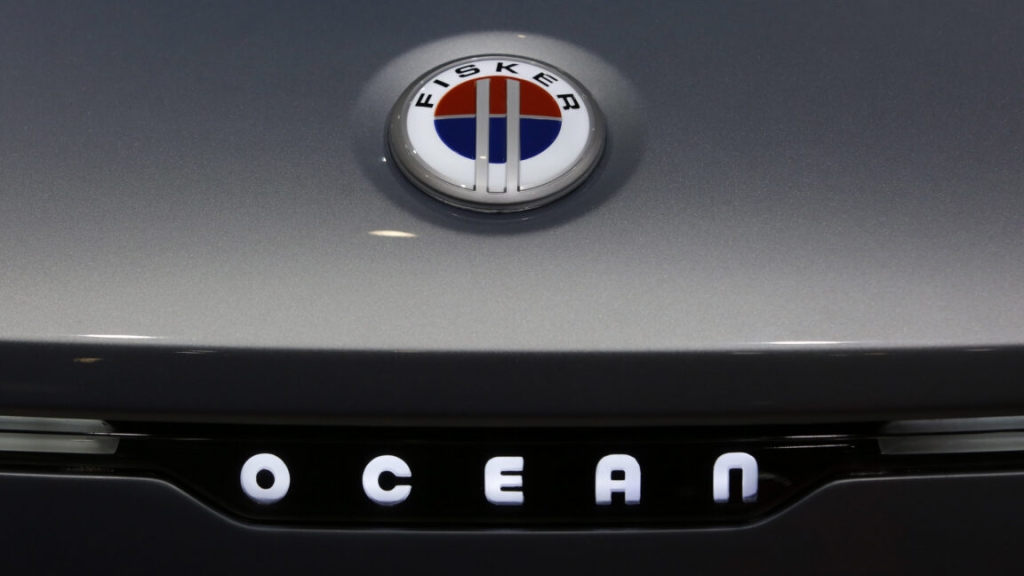
The Rise and Fall of Fisker: When Cutting-Edge EVs Turn Into 5,500-Pound Driveway Ornaments
In the high-stakes world of electric vehicles, where innovation races ahead of infrastructure and ambition often outpaces execution, few stories capture the peril of modern automotive technology quite like the tale of Fisker Automotive. Once hailed as a revolutionary force in the EV space, Fisker’s rapid ascent and even faster collapse left a trail of stranded owners, bricked vehicles, and a sobering lesson about the fragility of software-dependent cars.
The Southampton Nightmare: A Modern Car’s Worst-Case Scenario
Imagine this: You’ve just taken delivery of your brand-new Fisker Ocean, an electric SUV that promised to redefine sustainable luxury. The sleek design, the whisper-quiet ride, the cutting-edge technology—it all feels like the future has arrived in your driveway. But then, the nightmare begins.
For one unfortunate marketing manager in Southampton, England, the dream quickly turned into a technological horror story. After eagerly taking possession of her Fisker Ocean, she was immediately confronted with a barrage of software glitches that would make even the most patient tech enthusiast reach for a sledgehammer. The car’s sophisticated systems, which should have been the crown jewel of modern automotive engineering, instead became a source of constant frustration.
When she contacted Fisker’s customer service, engineers were dispatched to collect the vehicle for repairs. But here’s where the story takes a darkly comedic turn: when the collection team arrived, the car refused to start. Yes, you read that right—a vehicle so dependent on its software that it couldn’t even be transported for repairs because the digital brain had decided to take an unscheduled vacation.
Mere days after this incident, Fisker Automotive declared bankruptcy, leaving the Ocean stranded as a 5,500-pound driveway ornament for the next ten months. The marketing manager’s cutting-edge EV had transformed into the world’s most expensive garden sculpture, a stark reminder of how modern cars have become as much about software as they are about wheels and engines.
The Better Place Catastrophe: When Infrastructure Dreams Crumble
But Fisker wasn’t the first, nor would it be the last, to demonstrate the perils of software-dependent automotive technology. Cast your mind back to 2007, when Better Place burst onto the scene with what seemed like a revolutionary solution to electric vehicle range anxiety. Founded by entrepreneur Shai Agassi, Better Place wasn’t just another car company—it was an entire ecosystem built around battery-swap stations and proprietary software.
The concept was elegant in its simplicity: instead of waiting hours for your EV to charge, you’d simply drive into a Better Place station, have your depleted battery automatically swapped for a fresh one, and be on your way in minutes. It was like a pit stop for the electric age, and it promised to eliminate one of the biggest barriers to EV adoption.
Better Place’s flagship vehicle was the Renault Fluence Z.E., an electric sedan designed specifically for their battery-swap system. The cars were sold primarily in Israel and Denmark, two countries that had embraced the Better Place vision with enthusiasm. The entire system relied on centralized servers, subscriptions, and proprietary software to authenticate vehicles and manage battery exchanges—a complex web of technology that was supposed to make EV ownership seamless.
But dreams, no matter how well-engineered, can crumble spectacularly. In May 2013, just six years after its founding, Better Place filed for bankruptcy after burning through a staggering $850 million in investor funding. The collapse was swift and brutal. Renault immediately closed the Fluence Z.E.’s Turkish assembly line, battery-swap stations stopped operating, and the backend software that powered the entire ecosystem disappeared into the digital ether.
The result? Hundreds of Renault Fluence Z.E. vehicles were left bricked, their sophisticated systems rendered useless without the proprietary software and infrastructure that had been their lifeblood. Owners found themselves with expensive paperweights that couldn’t be charged, couldn’t be driven, and couldn’t be repaired because the entire technological ecosystem that had made them function had vanished overnight.
A Broader Industry Shift: When Cars Become Computers on Wheels
These cases aren’t isolated incidents—they’re harbingers of a fundamental shift in the automotive industry. Modern vehicles are increasingly becoming computers on wheels, with software systems that control everything from acceleration to entertainment to safety features. While this technological evolution has brought incredible capabilities to our cars, it has also created a new vulnerability: dependence on manufacturer support and proprietary systems.
“When a modern car’s software misbehaves, you don’t fix it yourself—you call the manufacturer,” explains Stuart Masson, founder and editor of The Car Expert. “They control the code. At that point, you’re not dealing with a traditional service department so much as an IT help desk.”
This shift has profound implications for car ownership. In the past, a mechanically inclined owner could often troubleshoot and repair their vehicle with some basic tools and knowledge. But today’s cars require specialized diagnostic equipment, proprietary software, and ongoing manufacturer support. When that support disappears—whether through bankruptcy, corporate restructuring, or simple obsolescence—the vehicle can become essentially worthless, regardless of its physical condition.
The Hidden Cost of Connected Cars
The connected car revolution promised convenience, efficiency, and a seamless integration of our digital and automotive lives. But as the Fisker and Better Place stories demonstrate, this connectivity comes with hidden costs and risks. Modern EVs often require constant communication with manufacturer servers for everything from software updates to authentication to basic functionality. When those servers go dark, the cars can become inoperable.
This creates a troubling paradox: the very features that make modern EVs attractive—over-the-air updates, cloud connectivity, integrated services—also make them vulnerable to systemic failures. A single bankruptcy filing, a change in corporate strategy, or even a prolonged outage can leave thousands of vehicles stranded and owners facing the prospect of watching their expensive investments turn into driveway decorations.
Looking Forward: Lessons from the Ashes
As the electric vehicle market continues to evolve and mature, the stories of Fisker and Better Place serve as cautionary tales. They remind us that technological innovation in the automotive space must be balanced with practical considerations of long-term support and ownership rights. They highlight the need for industry standards, open systems, and perhaps most importantly, a recognition that cars, no matter how advanced, are long-term investments that consumers expect to own and operate for years, not just until the next software update fails.
The future of automotive technology is undoubtedly exciting, with autonomous vehicles, advanced driver assistance systems, and ever-more-sophisticated connectivity on the horizon. But as we rush toward this future, we must ensure that we’re not creating a generation of vehicles that are brilliant when they work but worthless when the companies behind them falter.
For the marketing manager in Southampton, and for the hundreds of Better Place customers in Israel and Denmark, these lessons came at a painful cost. Their stories serve as a reminder that in our rush to embrace the future of transportation, we must not forget the fundamental principle of ownership: that what we buy today should still be ours to use tomorrow, regardless of what happens to the companies that built it.
Tags & Viral Phrases:
- Software-dependent apocalypse
- 5,500-pound driveway ornament
- Bricked electric vehicles
- EV graveyard stories
- When your car becomes a garden sculpture
- The dark side of connected cars
- Automotive bankruptcy nightmares
- Proprietary software hostage situations
- Modern cars as IT help desk problems
- The fragility of software-dependent transportation
- Electric vehicle horror stories
- When innovation meets insolvency
- Cars that die when companies do
- The hidden risks of EV ownership
- Technological hubris in the automotive industry
- From cutting-edge to curbside paperweight
- The $850 million battery-swap bust
- Electric dreams turned digital nightmares
- Why your next car might be a temporary investment
- The inconvenient truth about software-defined vehicles
,


Leave a Reply
Want to join the discussion?Feel free to contribute!