
OpenAI taps Tata for 100MW AI data center capacity in India, eyes 1GW
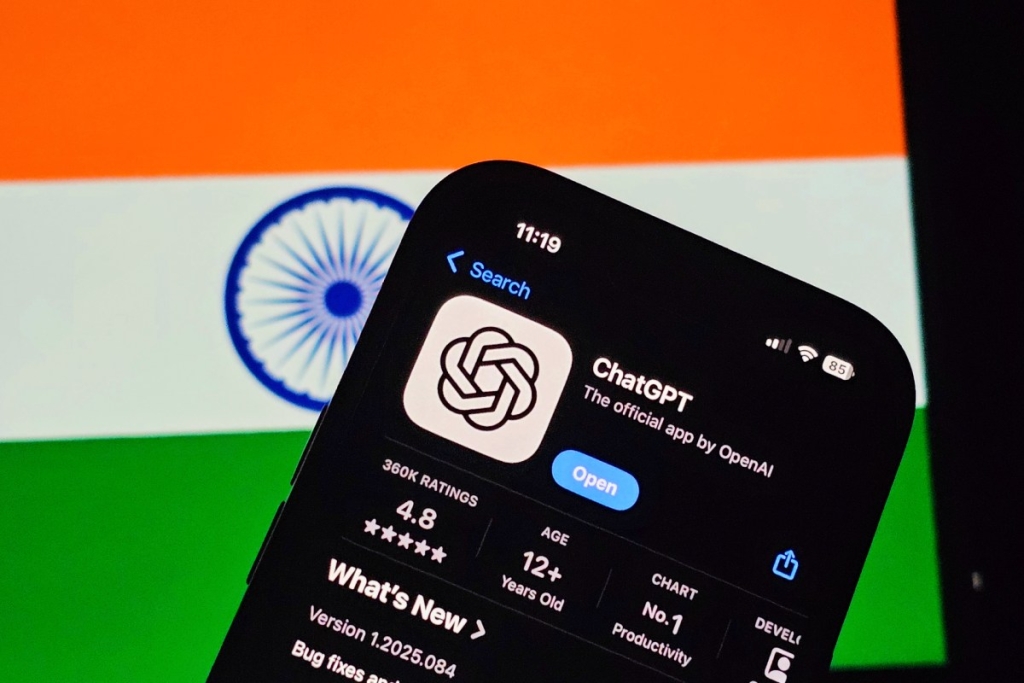
OpenAI and Tata Group Forge Historic $2 Billion AI Data Center Deal to Power India’s Digital Future
In a groundbreaking move that’s set to reshape India’s AI landscape, OpenAI has announced a landmark partnership with the Tata Group to develop massive AI-ready data center infrastructure across the country. The deal, part of OpenAI’s ambitious Stargate project, will see the deployment of 100 megawatts of AI-optimized data center capacity in its initial phase, with plans to scale up to a staggering 1 gigawatt over time.
This isn’t just another infrastructure announcement—it represents one of the largest AI data center commitments globally and positions India as a critical hub for OpenAI’s international expansion strategy. The partnership makes OpenAI the inaugural customer for Tata Consultancy Services’ new HyperVault data center business, marking a significant milestone in India’s journey toward AI sovereignty.
Why India? The Numbers Tell the Story
The timing couldn’t be more strategic. India has emerged as one of OpenAI’s most dynamic markets, with CEO Sam Altman revealing that the country now boasts over 100 million weekly active ChatGPT users. This user base spans students, educators, developers, entrepreneurs, and enterprise professionals—creating an unprecedented demand for localized AI infrastructure and services.
“We’re seeing explosive growth in India,” industry analysts note, “with adoption rates that rival or exceed those in traditional tech markets.” The country’s massive digital population, combined with its growing tech ecosystem, makes it an ideal location for OpenAI to establish deep roots.
The Technical Marvel: 1 Gigawatt of AI-Ready Power
To put the scale into perspective, 1 gigawatt of data center capacity is enough to power approximately 750,000 homes. For AI workloads, this represents an enormous computational resource capable of training and running some of the most sophisticated AI models in existence.
The initial 100-megawatt deployment alone will house thousands of high-performance GPUs—the specialized processors that form the backbone of modern AI systems. These aren’t ordinary data centers; they’re specifically engineered for AI workloads, featuring advanced cooling systems, high-bandwidth networking, and the power infrastructure necessary to support continuous, intensive computation.
Strategic Advantages of Local Infrastructure
The decision to host AI infrastructure within India addresses several critical needs. First, it dramatically reduces latency for Indian users, enabling near-instantaneous responses from AI models. Second, it ensures compliance with India’s data residency requirements, which mandate that certain types of data must be stored within national borders. This is particularly crucial for government agencies, financial institutions, and healthcare providers handling sensitive information.
Third, local infrastructure enables OpenAI to better serve enterprise customers who require guaranteed uptime, data sovereignty, and the ability to scale operations rapidly. As one industry expert put it, “This partnership removes the final barriers preventing large Indian enterprises from fully embracing AI at scale.”
Enterprise Transformation at Unprecedented Scale
The partnership goes far beyond infrastructure. Tata Group plans to deploy ChatGPT Enterprise across its entire workforce, beginning with hundreds of thousands of employees at Tata Consultancy Services. This represents one of the largest enterprise AI rollouts globally and could serve as a blueprint for other multinational corporations looking to integrate AI into their operations.
TCS isn’t stopping at just deployment—the company plans to leverage OpenAI’s Codex tools to standardize AI-native software development across its engineering teams. This move could fundamentally transform how software is built in India, potentially giving Indian developers a significant competitive advantage in the global market.
Economic Impact and Job Creation
The ₹180 billion ($2 billion) investment in HyperVault data centers is expected to create thousands of high-skilled jobs across India. From data center technicians and AI engineers to support staff and security personnel, the project will generate employment opportunities throughout the AI value chain.
Moreover, the partnership includes expanded certification programs, with TCS becoming the first organization outside the United States to participate in OpenAI’s professional certification initiatives. These programs are designed to equip Indian professionals with practical AI skills, addressing the growing demand for AI talent across industries.
Geopolitical Implications
The deal carries significant geopolitical weight. As nations worldwide race to establish AI dominance, India’s partnership with OpenAI positions the country as a serious contender in the global AI race. The ability to host advanced AI models domestically while maintaining control over data flows represents a strategic advantage that many countries are still struggling to achieve.
Industry observers note that this partnership could accelerate India’s emergence as a global AI hub, potentially rivaling established tech centers in the United States and China. “India is no longer just a consumer of AI technology,” one analyst observed. “It’s becoming a producer and innovator in its own right.”
Expanding the Ecosystem
OpenAI’s India strategy extends well beyond the Tata partnership. The company has been actively building relationships with major Indian players including Pine Labs, JioHotstar, Eternal, Cars24, HCLTech, PhonePe, CRED, and MakeMyTrip. These partnerships span various sectors—from fintech and e-commerce to entertainment and automotive—creating a comprehensive ecosystem for AI deployment.
The expansion includes plans to open new offices in Mumbai and Bengaluru, complementing the existing presence in New Delhi. This multi-city approach allows OpenAI to tap into different talent pools and business ecosystems while maintaining close proximity to key customers and partners.
The Road Ahead
As India hosts its AI Impact Summit in New Delhi, bringing together global AI leaders including OpenAI’s Sam Altman, Anthropic’s Dario Amodei, and Google’s Sundar Pichai, the timing of this announcement couldn’t be more perfect. It signals OpenAI’s commitment to India at a moment when the country is actively shaping its AI policy and infrastructure strategy.
The partnership represents more than just a business deal—it’s a statement about the future of AI development and deployment. By combining OpenAI’s cutting-edge technology with Tata’s infrastructure expertise and India’s massive market potential, the collaboration creates a powerful platform for innovation that could influence AI development patterns worldwide.
Tags
OpenAI Tata partnership, AI data center India, Stargate project, ChatGPT Enterprise deployment, AI infrastructure investment, Tata HyperVault, 1 gigawatt AI capacity, India AI market, OpenAI for India initiative, enterprise AI transformation, data residency compliance, GPU cluster deployment, AI certification programs, Mumbai Bengaluru expansion, India AI Impact Summit, global AI competition, digital infrastructure investment
Viral Phrases
“India’s AI moment has arrived”
“100 million weekly ChatGPT users can’t be wrong”
“1 gigawatt of pure AI power”
“The future of AI is being built in India right now”
“Enterprise AI at unprecedented scale”
“Data centers that think”
“AI sovereignty is the new frontier”
“India’s digital infrastructure gets a $2 billion upgrade”
“ChatGPT for hundreds of thousands of employees”
“AI certification beyond borders”
“The Tata-OpenAI alliance that’s changing everything”
“Gigawatts of computational dreams”
“Local AI, global impact”
“Building the brain of tomorrow, today”
“India’s AI infrastructure gets Stargate-level treatment”
,


Leave a Reply
Want to join the discussion?Feel free to contribute!