
The RAM shortage is coming for everything you care about
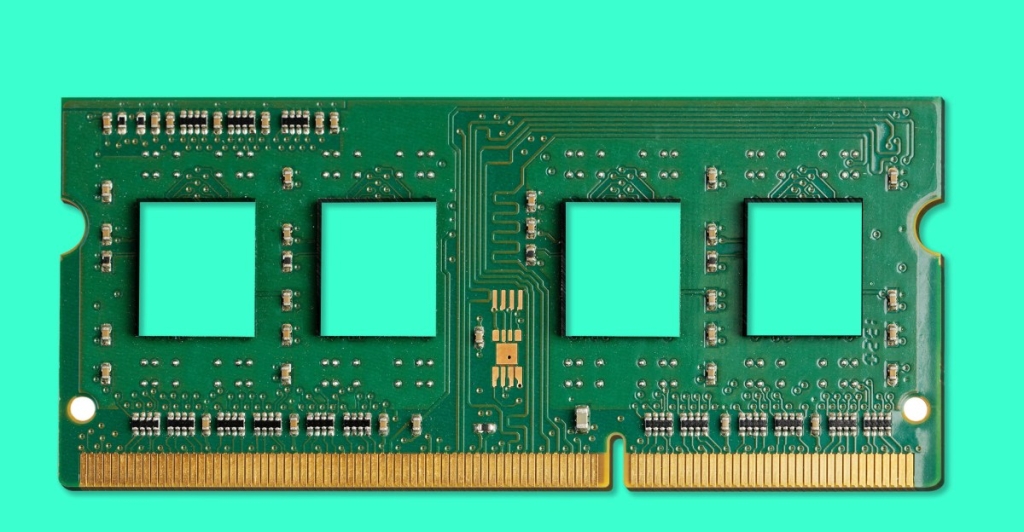
RAMageddon is Coming for Your Wallet: How the AI Boom Is Driving Up Prices on Everything from Phones to Game Consoles
If you’ve been following tech news, you’ve probably heard that memory prices are skyrocketing. RAM—the short-term memory that powers almost every electronic device—has tripled, quadrupled, or even sextupled in price, all thanks to the insatiable appetite of AI companies gobbling up chips.
But maybe you’ve thought: I don’t build PCs! I don’t buy memory sticks! It won’t affect me, right? Wrong. RAMageddon is coming for your wallet anyway.
Think about the gadgets you use every day. Your phone, your laptop, your game console, even your router—they all rely on RAM. And in 2026, shortages and price hikes are expected to hit them all. Everything with a computer inside depends on RAM, and these days, almost everything has a computer inside—from farm tractors to hospital equipment to your TV set-top box.
The problem? Three companies control most of the global DRAM supply—Micron, SK Hynix, and Samsung—and they’re prioritizing the AI gold rush over everything else. That means fewer products, higher prices, and delays across the board.
Smartphones are already feeling the pinch. Analysts from IDC, Omdia, and Counterpoint agree that 2026 was one of the best years ever for smartphone sales, with shipments growing roughly 2 percent to about 1.25 billion phones. But the RAM shortage is about to flip that on its head. Prices will go up. Fewer products will be available. Vendors will shift toward prioritizing profitability while expanding alternative revenue streams.
Flagship smartphone chipmaker Qualcomm is warning that companies will build fewer phones, period—and that remaining phones will be more expensive. CEO Cristiano Amon says a big dip in its smartphone business will be “100 percent” because of the memory shortage.
How much more might you pay? Hard to say, but IDC points out that memory represents 15–20 percent of the materials cost of a midrange phone, and about 10–15 percent of a high-end flagship phone. When we first started reporting on RAMageddon, IDC thought average phone prices might go up by just $9. Now, it’s predicting the average price might increase as much as 8 percent, with “significantly higher” price hikes on cheaper phones where “OEMs will have to pass the cost to end users.”
That means if you’re used to buying $500 phones, they might easily cost $600 or more. Even if you’re used to $1,000 phones, you may get less bang for the buck: “new flagship models in 2026 will likely have no RAM upgrades, sticking to 12GB for Pro models rather than increasing to 16GB,” IDC writes.
The era of “razor and blade” game console subsidies—where companies sell consoles at a loss and make their money back on exclusive software—was over before the RAM crunch even began. Trump’s tariffs broke the dam, and now we’re half-expecting the next Xbox to be a $1,000 PC rather than a traditional console.
Bloomberg reports that RAMageddon is also coming for the Nintendo Switch 2 in the form of a price hike, and Sony’s PS6 in the form of a delay “to 2028 or even 2029.”
PCs generally need even more RAM than phones and consoles, and they’ve been hit quicker because PC makers haven’t felt the need to stockpile RAM in advance. They also generally need larger SSDs whose prices have surged 90 percent in a single quarter.
That’s why almost every major laptop manufacturer—Lenovo, Dell, HP, Asus, Acer—is reportedly planning price hikes of 10, 20, or even 30 percent. IDC suggests the whole PC market could decline by 4.9 to 8.9 percent in 2026, while TrendForce is forecasting a 2.4 percent decline in laptops where it previously expected growth.
Dell reportedly already began hiking prices of its laptops by $55 to $765, depending on which components you choose. And modular laptop company Framework writes that its own cost has risen from roughly $10 per gigabyte to as much as $16 per gigabyte, and so it’s selling its new laptops and mainboards for 6 percent to 16 percent more than previously.
Even though Lenovo has admitted to hoarding RAM so it won’t run out, the world’s largest PC manufacturer is still paying more to secure its supply for 2026; CEO Yang Yuanqing told Bloomberg his memory costs increased by 40 to 50 percent last quarter and suggested prices might double soon.
While Apple hasn’t telegraphed plans to raise MacBook prices due to RAM price hikes, it’s quite possible we’ll see for ourselves in just two weeks at its March 4th event.
“There’s no relief until 2028,” said Intel CEO Lip-Bu Tan in early February, after speaking to two of the big three memory companies. One of them, Micron, has publicly said the same, telling Wccftech that its Idaho memory fab won’t open until mid-2027—and that “you’re not really gonna see real output” until 2028. SK Hynix also previously predicted the shortage would last through late 2027.
While Micron, SK Hynix, and Samsung, which control about 95 percent of the global DRAM supply, are making enough money to increase memory production, it will take time to build their promised new fabs. And they also see it as more profitable and less risky to build out slowly instead of rushing to meet demand.
In the meantime, the RAM makers are going to profit as much as they can, with the added costs ultimately being passed on to you.
Tags & Viral Phrases:
- RAMageddon
- Memory prices skyrocketing
- AI companies gobbling up chips
- Everything with a computer inside depends on RAM
- Three companies control most of the global DRAM supply
- Fewer products, higher prices, and delays
- Smartphones, laptops, game consoles all hit
- Price hikes of 10, 20, or even 30 percent
- No relief until 2028
- RAM makers profiting while costs passed to consumers
,
Leave a Reply
Want to join the discussion?Feel free to contribute!