
Latest White House talks on stablecoin yield make ‘progress’ with banks, no deal yet
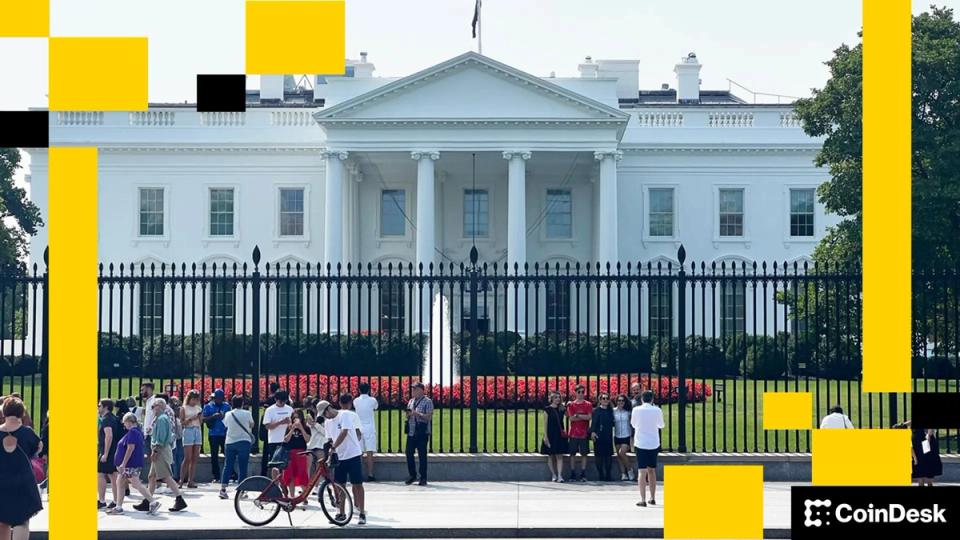
Crypto vs. Banks: The High-Stakes White House Showdown That Could Reshape U.S. Finance
The battle for America’s crypto future just took another dramatic turn inside the halls of the White House, where tech titans and banking behemoths clashed in a marathon session that stretched far beyond its scheduled two hours. The stakes? Nothing less than who controls the future of digital assets in the world’s largest economy.
The Meeting That Had Everyone’s Phones Confiscated
When White House officials started collecting smartphones at the door, attendees knew this wasn’t just another policy discussion. The third round of negotiations between cryptocurrency insiders and traditional banking interests had transformed into something resembling a hostage negotiation, with both sides dug in over a seemingly minor provision that’s become the digital equivalent of nuclear launch codes.
Ji Kim, CEO of the Crypto Council for Innovation, emerged from the smoke-filled room declaring the meeting “constructive” and emphasizing that “the conversation built upon previous meetings to establish a framework that serves American consumers while reinforcing U.S. competitiveness.” But behind the diplomatic language, sources say the tension was palpable.
The $64,000 Question: Can Crypto Platforms Offer Interest?
At the heart of this regulatory wrestling match lies a deceptively simple question: Should cryptocurrency platforms be allowed to offer interest on stablecoin holdings? Coinbase’s Chief Legal Officer Paul Grewal called the dialogue “cooperative” on social media, noting “more progress” was made. But the progress feels glacial when billions in potential investment hang in the balance.
The controversy centers on the GENIUS Act’s provision allowing crypto firms to reward users for holding stablecoins. Traditional banks view this as an existential threat to their deposit-based business model. After all, why would customers accept paltry savings account interest rates when crypto platforms offer yields that make traditional banking look like a museum exhibit?
Banks Dig In Their Heels
The banking industry’s position hardened after their latest principles document effectively shut down compromise talks. Sources familiar with the negotiations revealed that White House officials applied pressure tactics, keeping participants locked in discussions well past the scheduled end time. The message was clear: find common ground or face continued regulatory uncertainty.
The crypto industry had floated a compromise allowing interest only on certain activities and transactions rather than static holdings. But bank representatives remained unmoved, insisting on an outright ban. It’s a position that crypto advocates argue stifles innovation and puts American competitiveness at risk in the global digital asset race.
The Democratic Demands: Trump, Transparency, and Terrorism
While the stablecoin interest debate dominates headlines, Democratic negotiators have their own laundry list of demands that could derail the entire legislative effort. They’re pushing for prohibitions on senior government officials holding significant crypto business interests—a direct shot at President Trump’s extensive crypto portfolio.
The Democrats also want the White House to fill vacant positions at the Commodity Futures Trading Commission and Securities and Exchange Commission, particularly the Democratic seats. Additionally, they’re demanding tighter controls on illicit finance risks, especially concerning decentralized finance platforms that operate outside traditional regulatory frameworks.
The Clock is Ticking on American Competitiveness
The Digital Asset Market Clarity Act represents more than just regulatory fine-tuning—it’s the crypto industry’s top policy priority and potentially the most significant financial legislation since the Dodd-Frank Act. Industry insiders warn that without clear regulations, billions in potential investment will flow to more crypto-friendly jurisdictions like Singapore, Switzerland, and the United Arab Emirates.
Once regulations are permanently set, the sector expects a surge in activity that could transform crypto from a speculative asset class into an integral part of the U.S. financial system. But that transformation requires political will and compromise—two commodities that seem increasingly scarce in Washington’s current climate.
The Path Forward: Committees, Votes, and Political Calculus
Even if the crypto-banking standoff resolves, the legislative journey is far from over. The Senate Banking Committee must hold hearings to consider advancing the legislation, following the model of the Senate Agriculture Committee, which recently voted along partisan lines to approve its version.
The real challenge lies in securing Democratic support. With Republicans controlling the White House and both chambers of Congress, bipartisan cooperation seems essential for any legislation to become law. Yet the current political environment makes such cooperation feel as likely as finding a Bitcoin transaction that can be reversed.
What’s at Stake for Everyday Americans
Beyond the Beltway maneuvering, this regulatory battle has real implications for American consumers. Clear crypto regulations could mean more secure investment options, better consumer protections, and the integration of digital assets into mainstream financial services. Conversely, continued uncertainty could leave consumers navigating a regulatory Wild West where scams and fraud remain rampant.
The outcome will determine whether Americans can earn yield on their digital dollars through regulated platforms or whether such innovations remain confined to offshore exchanges operating in regulatory gray areas.
The Billionaire Battleground
Coinbase CEO Brian Armstrong has been particularly vocal about banking trade groups’ role in blocking progress, suggesting that traditional financial institutions are using their political influence to protect market share rather than adapt to technological change. It’s a narrative that resonates with crypto advocates who view the current system as benefiting incumbents at the expense of innovation.
The Global Context: America’s Digital Asset Dilemma
While U.S. regulators and legislators debate the finer points of stablecoin regulation, other nations are racing ahead. The European Union’s Markets in Crypto-Assets (MiCA) regulation has already provided clarity for crypto businesses. Meanwhile, countries across Asia and the Middle East are positioning themselves as digital asset hubs, potentially siphoning off the innovation and investment that could have flowed to American shores.
The Bottom Line: Compromise or Collapse?
As the White House continues to mediate between these entrenched positions, the question remains: can Washington find a middle ground that satisfies both the innovation-hungry crypto industry and the risk-averse banking sector? The answer will determine whether the United States maintains its position as the world’s financial leader or cedes ground to more forward-thinking jurisdictions.
The crypto industry’s transformation from a fringe technology to a potential cornerstone of the financial system hangs in the balance. With billions in investment, countless jobs, and America’s competitive position at stake, the pressure is mounting for a resolution that seems increasingly elusive.
Tags & Viral Phrases:
- Crypto vs. Banks showdown
- White House crypto negotiations
- Stablecoin interest battle
- Digital asset regulation crisis
- Banking industry resistance
- Coinbase vs. traditional finance
- GENIUS Act controversy
- U.S. crypto competitiveness
- Blockchain regulatory war
- DeFi illicit finance concerns
- Trump crypto business interests
- Senate Banking Committee hearings
- Digital asset market structure
- Crypto yield opportunities
- Financial innovation blockade
- Washington regulatory paralysis
- Global crypto race
- American financial leadership
- Blockchain legislation deadlock
- Crypto investment uncertainty
,


Leave a Reply
Want to join the discussion?Feel free to contribute!