
Meta’s VR metaverse is ditching VR
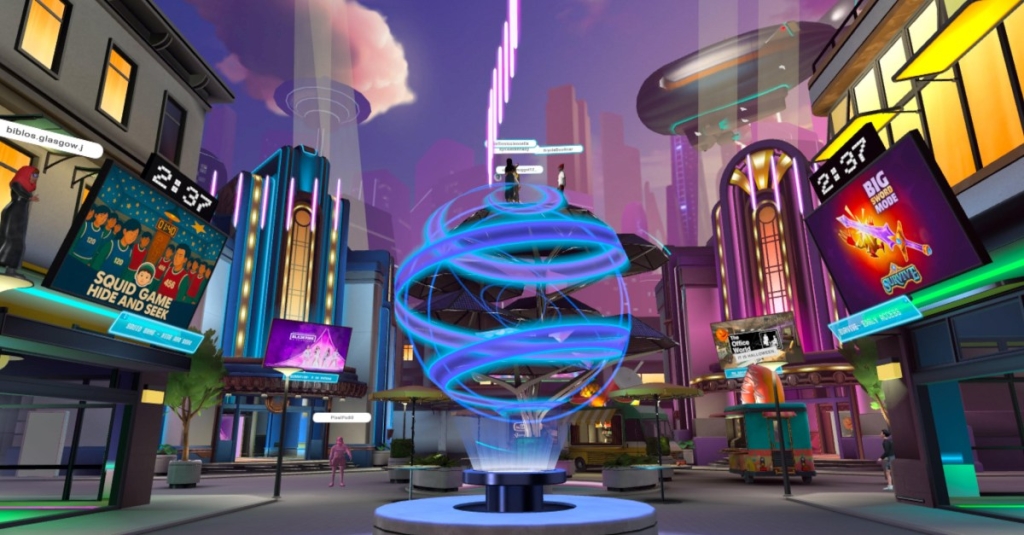
Meta is making a bold pivot in its strategy, shifting its focus from VR-exclusive experiences to a mobile-first approach with Horizon Worlds, a move aimed at directly competing with platforms like Roblox and Fortnite. These platforms have long dominated the user-generated content space, offering immersive, social gaming experiences accessible on smartphones. By embracing mobile, Meta is positioning itself to tap into a much larger, global audience, leveraging its vast social media ecosystem to connect billions of users.
Ryan, a key executive at Meta, emphasized the company’s unique advantage in delivering synchronous social games at scale. “We’re in a strong position to deliver synchronous social games at scale, thanks to our unique ability to connect those games with billions of people on the world’s biggest social networks,” Ryan stated. This strategy, which began to unfold in 2025, is now Meta’s primary focus, signaling a significant shift in its long-term vision.
While Meta is doubling down on mobile, it’s not abandoning VR entirely. Instead, the company is pivoting its VR strategy to support third-party developers. Ryan highlighted that 86% of the time users spend on VR headsets is with third-party apps, underscoring the importance of fostering a robust developer ecosystem. “While we’re proud of the world-class work from Oculus Studios over the years, among 1P and 3P apps, 86% of the effective time people spend in their VR headsets is with third-party apps,” Ryan explained.
Despite this shift, Meta is still committed to advancing VR hardware. The company has a “robust roadmap of future VR headsets that will be tailored to different audience segments as the market grows and matures,” according to Ryan. This could include a new mainline Quest headset and other innovative devices, though they may come at a higher price point. The move reflects Meta’s belief in the long-term potential of VR, even as it prioritizes mobile for now.
This strategic pivot comes after Meta’s ambitious but underwhelming bet on the metaverse. CEO Mark Zuckerberg has since shifted his focus to AI, envisioning it as the next frontier of social interaction. “There are 3D versions of that, and there are 2D versions of that, and Horizon, I think, fits very well with the kind of immersive 3D version of that,” Zuckerberg said during the company’s latest earnings call. This vision includes AI-generated games that users can share on their feeds, blending the lines between social media and gaming.
Meta’s new approach is a clear acknowledgment of the evolving digital landscape, where mobile accessibility and AI-driven experiences are becoming increasingly central. By leveraging its massive social network and embracing emerging technologies, Meta is positioning itself to remain a dominant player in the tech industry. Whether this strategy will pay off remains to be seen, but one thing is certain: Meta is no longer content to play catch-up—it’s setting its sights on redefining the future of social gaming and virtual experiences.
#HorizonWorlds #Meta #MobileGaming #VR #Roblox #Fortnite #UserGeneratedContent #AI #SocialMedia #TechStrategy #Zuckerberg #Oculus #QuestHeadset #Metaverse #GamingRevolution #TechNews #Innovation #FutureOfGaming #DigitalTransformation #TechTrends
Meta’s mobile pivot, Horizon Worlds, Roblox competitor, Fortnite rival, AI-generated games, Zuckerberg’s vision, VR hardware roadmap, third-party developer support, synchronous social games, immersive 3D experiences, billion-user reach, tech industry evolution, Meta’s strategic shift, gaming and social media convergence, future of VR, Quest headset updates, higher-priced hardware, metaverse challenges, AI as the new social media, digital ecosystem dominance.,


Leave a Reply
Want to join the discussion?Feel free to contribute!