
Common Mistakes Almost Everyone Makes When Shopping For Ryobi Tools
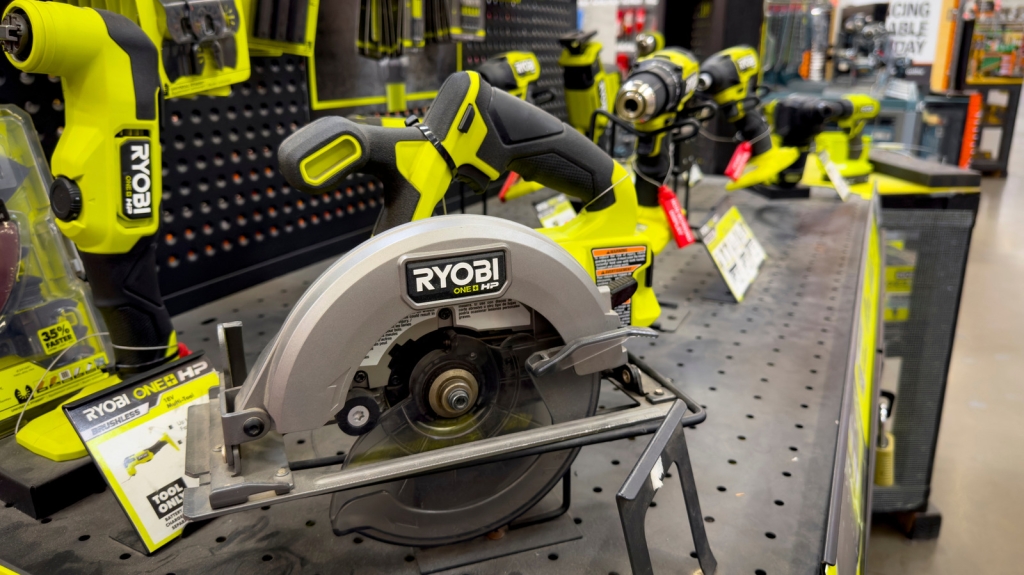
Common Mistakes Almost Everyone Makes When Shopping For Ryobi Tools
In today’s competitive power tool market, Ryobi has carved out a significant niche among DIY enthusiasts and professionals alike. Known for delivering impressive power, durability, and overall quality at accessible price points, Ryobi has become a trusted name in the consumer tool space. However, with great popularity comes the responsibility of making informed purchasing decisions. Whether you’re a seasoned Ryobi user or a first-time buyer, there are several common pitfalls that can turn your excitement into buyer’s remorse. From ensuring authenticity to understanding warranty coverage, here’s everything you need to know to avoid the most frequent mistakes when shopping for Ryobi tools.
Ensure You’re Buying the Real Deal
While Ryobi tools are primarily available at The Home Depot for in-store purchases, the online marketplace offers a broader range of options. You can confidently buy official Ryobi products through The Home Depot, Walmart, Amazon, and the brand’s own online store. However, the convenience of online shopping comes with a caveat: the rise of imitation products.
Some second-tier power tool brands have started manufacturing tools that closely resemble Ryobi’s iconic green design, even down to the color scheme. While Amazon has become adept at identifying and removing fraudulent sellers, it’s still possible to encounter knockoffs. To avoid this mistake, always double-check the product listing for Ryobi’s official branding and verify the seller’s credibility. If a deal seems too good to be true, it probably is. For added peace of mind, consider purchasing directly from Ryobi’s official Amazon storefront.
Don’t Forget to Do a Price Check
Price comparison is a crucial step in any purchasing decision, and Ryobi tools are no exception. While your options for buying Ryobi gear in-store are limited to The Home Depot, online shopping opens up a few more avenues, including Ryobi’s official store, Walmart, and Amazon.
Retailers often run seasonal sales, offer discount codes, or bundle tools with free accessories, which can significantly reduce the overall cost. For instance, one retailer might have a “free tool with purchase” deal, while another offers a percentage discount. To ensure you’re getting the best deal, take the time to visit each retailer’s website and compare prices. Additionally, keep an eye out for factory-blemished or reconditioned tools at Direct Tools Factory Outlet, where you can often find substantial savings.
Always Study Up on Your Warranty Coverage
Warranty coverage is a critical factor to consider when purchasing any power tool, and Ryobi is no exception. Given the investment required for many Ryobi devices, understanding your warranty rights can provide invaluable peace of mind. However, it’s important to note that not all Ryobi tools come with the same warranty coverage.
Non-powered Ryobi hand tools typically come with a limited lifetime warranty, while powered devices are generally backed by a two, three, or five-year limited warranty. If your tool malfunctions due to a manufacturing defect, Ryobi may offer to repair or replace it free of charge. Be sure to review the warranty details on Ryobi’s official website before making your purchase. Additionally, some retailers may offer their own hassle-free return policies, which can provide an extra layer of protection.
Buying the Wrong Battery Packs Can Be Easy
Since Milwaukee Tools pioneered lithium-ion battery technology, it has become the standard for most major power tool brands, including Ryobi. Ryobi’s lineup of powered devices almost exclusively runs on rechargeable lithium-ion batteries, which are available in various tiers, including 4V USB, 18V, 40V, and 80V variants.
This variety can make it confusing for even experienced Ryobi users to keep track of which battery powers which device. The good news is that Ryobi batteries within each voltage category are generally designed to be interchangeable between devices in that category. For example, if you own 18V One+ tools, you can use the same battery across all of them, potentially saving you money on additional batteries.
To avoid buying the wrong battery, always check the tool’s packaging or product description for the required voltage. Ryobi tools are typically well-marked, but it’s always better to double-check before making a purchase. Remember, battery packs are not cheap, so getting it right the first time is essential.
You May Sacrifice Value if You Buy Certain Items Separately
Ryobi tools, batteries, and chargers can be pricey, even though the brand is considered a budget-friendly option. To maximize your investment, it’s worth exploring bundled kits that include the tool, battery, and charger. These kits often provide significant savings compared to buying each item separately.
For example, a standalone tool might cost $100, while a kit with the same tool, battery, and charger could be priced at $150. If you were to buy the battery and charger separately, they might cost an additional $100, making the kit the more economical choice. Retailers like The Home Depot and Amazon frequently offer such bundles, so be sure to compare prices before making your decision.
Additionally, Ryobi and other retailers sometimes offer complete tool sets that include multiple devices in one package. While these sets can be expensive upfront, the overall savings can be substantial, especially for those building their first powered tool collection.
Conclusion
Shopping for Ryobi tools doesn’t have to be a daunting task. By avoiding these common mistakes—ensuring authenticity, comparing prices, understanding warranty coverage, selecting the right batteries, and exploring bundled deals—you can make informed decisions that maximize value and satisfaction. Whether you’re a DIY enthusiast or a professional, Ryobi’s reliable and affordable tools can be a great addition to your arsenal, provided you navigate the purchasing process with care.
Tags: Ryobi tools, power tools, DIY, Home Depot, battery packs, warranty coverage, price comparison, online shopping, tool kits, lithium-ion batteries, budget-friendly tools, authentic products, seasonal sales, tool bundles, reconditioned tools, factory outlet, tool sets, voltage compatibility, interchangeable batteries, savings tips, shopping guide, consumer advice, tool maintenance, product authenticity, retail deals, warranty policies, battery technology, tool investment, value for money, purchasing mistakes, buyer’s guide, tool accessories, tool collection, professional tools, home improvement, tool reviews, shopping hacks, budget tools, tool recommendations, tool upgrades, tool comparisons, tool brands, tool innovations, tool trends, tool expertise, tool knowledge, tool tips, tool tricks, tool strategies, tool solutions, tool success, tool satisfaction.
,

Leave a Reply
Want to join the discussion?Feel free to contribute!