
Tesla hails the arrival of its first Cybercab – meanwhile, its Robotaxis are crashing four times more than human drivers
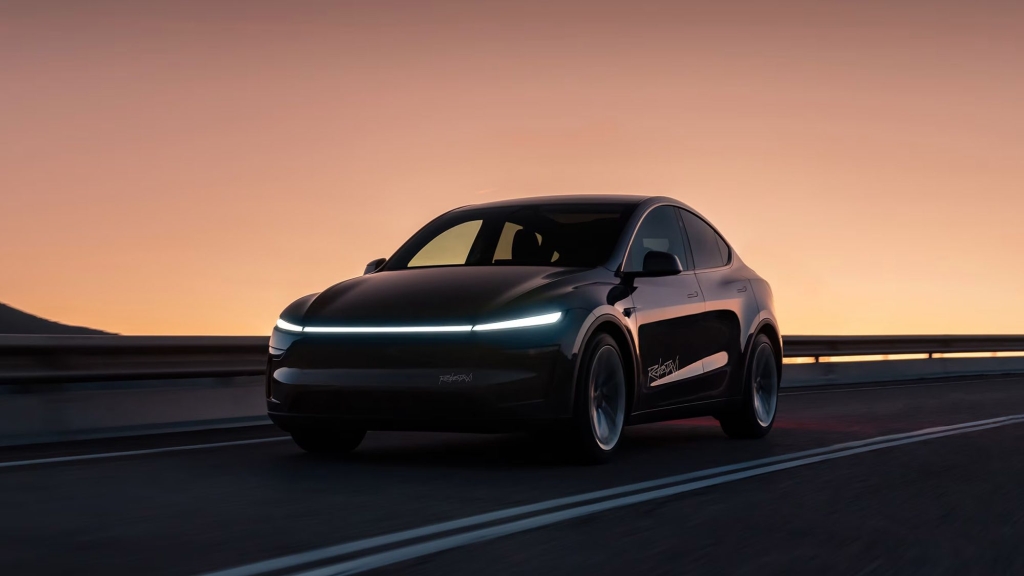
Tesla’s Cybercab Milestone: A Golden Triumph or a Crashing Disaster?
Tesla has just hit a major milestone in its quest for autonomous driving supremacy, as the first production Cybercab rolled off the assembly line at Gigafactory Texas. The sleek, golden-hued vehicle, which ditches traditional steering wheels and pedals, is designed to navigate busy city streets entirely through software. But while Tesla is celebrating this achievement, the company’s Robotaxi operation is facing some serious challenges that could put a damper on the party.
The Cybercab, which is set to begin full-scale production in April, has already encountered hurdles with the US Patent and Trademark Office (USPTO), potentially forcing Tesla to reconsider its branding. But the real concern lies in the performance of Tesla’s current Robotaxi fleet. Despite having human drivers on standby, the fleet has reported five new crash incidents in Austin, Texas, bringing the total to 14 since its launch in June 2025. This translates to one crash every 57,000 miles, which is four times more frequent than human drivers, who experience a minor collision every 229,000 miles and a major collision every 699,000 miles in North America.
The National Highway Traffic Safety Administration (NHTSA) has been closely monitoring these incidents, and the data is alarming. A July 2025 crash was upgraded from “property damage only” to “Minor W/ Hospitalization,” raising serious questions about the safety of Tesla’s autonomous driving systems. The incidents include collisions with fixed objects, buses, and heavy trucks, all occurring during daylight hours and in good weather conditions. This has led to speculation about Tesla’s decision to rely solely on cameras for navigation, rather than incorporating LiDAR and other sensors.
While these incidents may seem minor, the crash data submitted to the NHTSA is concerning. Tesla’s Robotaxi service is experiencing incidents at a rate worse than human drivers, and the company is one of the few autonomous taxi services that redacts all crash information under the guise of “confidential business information.” This lack of transparency makes it impossible to determine whether the incidents were caused by Tesla’s autonomous driving systems or the safety drivers’ failure to react in time.
In comparison, Waymo, a competitor in the autonomous vehicle space, has submitted 51 incidents in Austin alone over a similar timeframe. However, Waymo has covered 6.337 million fully autonomous miles in Austin since launching its service in March, while Tesla has only covered 800,000 cumulative miles with a safety driver or chase car on standby.
As Tesla continues to push the boundaries of autonomous driving, the safety and reliability of its Robotaxi fleet remain under scrutiny. With the Cybercab set to hit the roads in the coming months, the stakes are higher than ever. Will Tesla’s golden Cybercab be a triumph of innovation, or will it crash and burn under the weight of its own ambition? Only time will tell, but one thing is certain: the road to fully autonomous driving is fraught with challenges, and Tesla is navigating it with both excitement and caution.
Tags and Viral Phrases:
- Tesla Cybercab
- Autonomous driving
- Robotaxi
- Gigafactory Texas
- Crash incidents
- NHTSA
- Waymo
- LiDAR
- Safety concerns
- Innovation
- Technology
- Future of transportation
- Tesla’s ambition
- Autonomous vehicle challenges
- Golden triumph or crashing disaster?
,
Leave a Reply
Want to join the discussion?Feel free to contribute!