
Oh no, Intel is moving customer support to AI
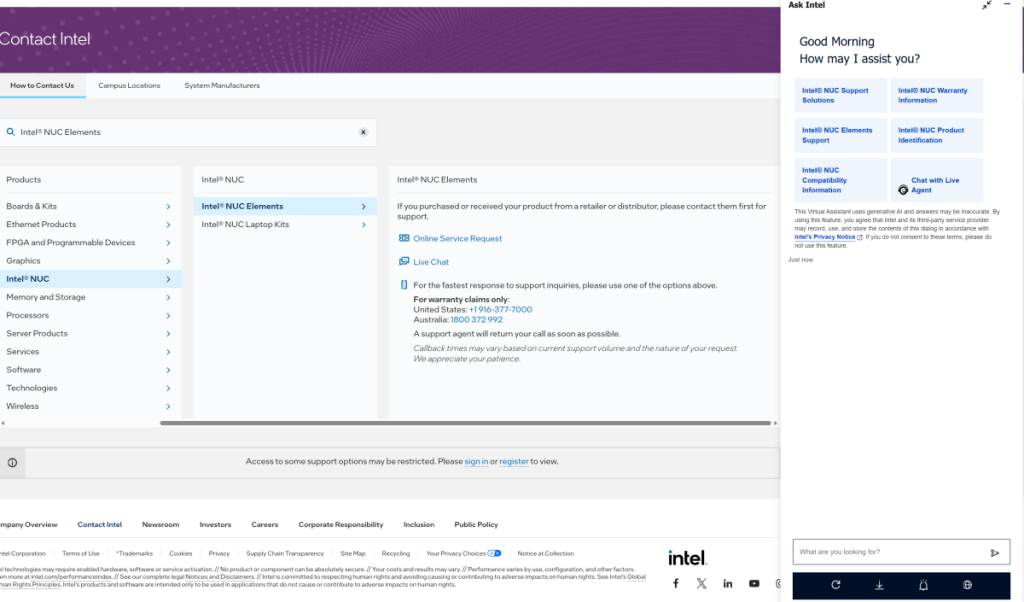
Intel’s Bold Move: Replacing Human Support with AI in Semiconductor Industry
In a groundbreaking shift that signals the future of customer service in the tech industry, Intel has officially launched “Ask Intel,” an AI-powered virtual assistant designed to handle customer and partner support inquiries. Built on Microsoft Copilot Studio, this innovative tool marks one of the semiconductor industry’s first forays into generative AI for customer support, representing a significant departure from traditional human-operated help desks.
The Evolution of Customer Support at Intel
Intel’s decision to implement AI-driven support comes as part of a broader strategy to streamline operations and reduce costs. According to Boji Tony, Intel’s vice president and general manager of sales enablement and support, the company has been gradually phasing out inbound customer support phone numbers since December, redirecting all inquiries to their digital support platform.
The transition reflects a growing trend across the technology sector, where companies are increasingly turning to artificial intelligence to handle routine customer inquiries and support tasks. However, Intel’s implementation stands out for its comprehensive approach and integration with Microsoft’s advanced AI capabilities.
How Ask Intel Works
Ask Intel operates as a sophisticated virtual assistant capable of performing multiple support functions. The system can open support cases on behalf of customers, instantly check warranty coverage, and determine when human intervention is necessary. This multi-layered approach ensures that customers receive appropriate assistance while maximizing efficiency.
The AI assistant leverages agentic AI capabilities, meaning it can make decisions and take actions autonomously within defined parameters. This allows for a more dynamic and responsive support experience compared to traditional scripted chatbots.
Privacy and Transparency Considerations
Intel has been transparent about the AI-driven nature of its new support system. Users are immediately informed that “This Virtual Assistant uses generative AI and answers may be inaccurate.” Additionally, the platform clearly states that all conversations may be recorded, used, and stored in accordance with Intel’s Privacy Notice.
This level of transparency is crucial, especially given the potential for AI systems to provide incorrect or misleading information. Intel’s approach acknowledges the current limitations of AI technology while still offering it as a primary support option.
Real-World Testing and Limitations
When put to the test, Ask Intel demonstrated both the potential and limitations of AI-driven customer support. In one scenario involving questions about Intel’s 13th and 14th-generation CPU issues, the AI initially suggested downloading an updated graphics driver—advice that may not have addressed the underlying hardware problem. When questioned about stress-testing potentially defective processors, the AI adjusted its recommendation to updating the motherboard’s BIOS.
These interactions highlight a critical challenge in AI customer support: the need for accurate, context-aware responses that don’t inadvertently cause harm to expensive hardware. While the AI showed adaptability in its responses, the initial suggestions could have led to problematic outcomes for users.
Industry Context and Implications
Intel’s move follows similar AI implementations in other sectors, particularly in the fast-food industry where AI-powered drive-through systems have been deployed at major chains like KFC. However, the stakes are considerably higher when dealing with complex technology products where incorrect advice can lead to hardware damage or data loss.
The semiconductor industry has traditionally relied on highly specialized human expertise for customer support, given the technical complexity of processors and related components. Intel’s willingness to entrust these interactions to AI represents a significant shift in industry norms.
The Human Element in AI Support
Despite the AI-driven approach, Intel maintains the option for human support when necessary. The system is designed to recognize when a situation requires human intervention and can seamlessly connect customers with live support agents. This hybrid approach aims to balance efficiency with the need for expert human judgment in complex scenarios.
Future Developments and Expansion
Intel plans to make Ask Intel increasingly central to the customer support experience over time. This suggests ongoing improvements to the AI system and potentially broader applications within Intel’s customer service ecosystem. The company’s commitment to this technology indicates confidence in AI’s ability to handle increasingly complex support scenarios.
Consumer Impact and Considerations
For consumers, this shift means adapting to a new support paradigm. While AI can provide instant responses and 24/7 availability, it may lack the nuanced understanding and problem-solving capabilities of experienced human technicians. Customers will need to approach AI-generated advice with appropriate caution, particularly when dealing with hardware issues that could result in damage if handled incorrectly.
The Broader Tech Industry Implications
Intel’s implementation of AI-driven customer support could set a precedent for other technology companies, particularly those in the semiconductor and hardware sectors. If successful, this approach might accelerate the adoption of similar systems across the industry, fundamentally changing how companies interact with their customers.
The move also raises questions about the future of technical support jobs and the skills that will be valued in this evolving landscape. As AI systems become more capable, the role of human support staff may shift toward handling only the most complex cases or focusing on AI system oversight and improvement.
Challenges and Opportunities
The transition to AI-driven support presents both challenges and opportunities for Intel. On the positive side, the company can potentially handle a higher volume of support requests more efficiently and consistently. However, the risk of providing incorrect advice that could damage customer hardware remains a significant concern.
Success will likely depend on continuous refinement of the AI system, careful monitoring of customer outcomes, and maintaining robust human support options for complex or high-stakes situations.
Looking Ahead
As Intel continues to develop and refine Ask Intel, the tech industry will be watching closely to see how this experiment in AI-driven customer support unfolds. The balance between efficiency and accuracy, automation and human expertise, will be crucial in determining whether this approach can truly replace traditional human support models.
For now, Intel customers should approach AI-generated support advice with the same caution they would apply to any technical recommendation, while appreciating the potential for faster, more accessible support options. As AI technology continues to evolve, the line between human and machine support may continue to blur, fundamentally reshaping the customer service landscape in the tech industry.
Tags and Viral Phrases:
AI customer support revolution, Intel’s game-changing move, semiconductor industry transformation, Microsoft Copilot integration, virtual assistant technology, future of tech support, AI replacing humans, customer service automation, Intel support innovation, generative AI breakthrough, semiconductor support evolution, tech industry disruption, AI-powered troubleshooting, customer experience transformation, digital support revolution, Intel’s bold strategy, AI customer service pioneer, semiconductor industry first, Microsoft AI partnership, virtual support assistant, AI-driven customer care, tech support automation, Intel’s AI implementation, customer service innovation, semiconductor support AI, digital transformation in tech, AI customer interaction, Intel’s support evolution, future of technical support, AI in semiconductor industry, customer service automation pioneer, Intel’s digital transformation, AI-powered troubleshooting system, tech industry innovation, semiconductor customer support, AI-driven technical assistance, Intel’s support revolution, customer service AI implementation, semiconductor industry disruption, AI customer support pioneer, Intel’s technological advancement, digital customer service, AI in technical support, semiconductor support transformation, Intel’s AI strategy, customer service automation leader, AI-powered support system, tech industry evolution, semiconductor customer care innovation.
,

Leave a Reply
Want to join the discussion?Feel free to contribute!