
Opera’s quirky website celebrates its browser’s 30th anniversary
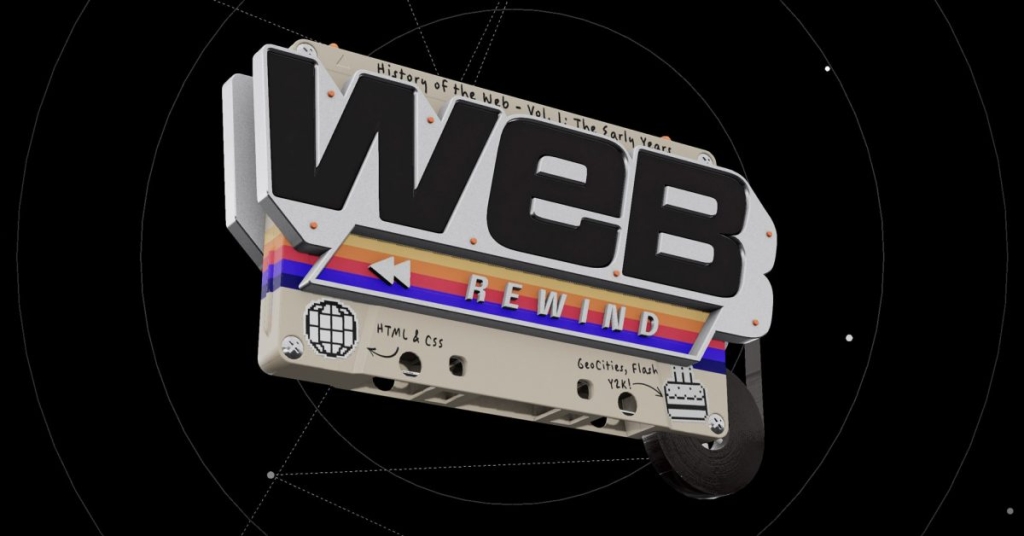
Opera’s “Web Rewind” Launches Interactive 30-Year Internet Time Capsule — Complete with Dial-Up Sounds and a Swiss Getaway Prize
Opera has unveiled an ambitious and delightfully nostalgic interactive experience that chronicles three decades of internet history, inviting users to relive everything from screeching modem handshakes to the birth of social media. Dubbed “Web Rewind”, the project serves as both a digital museum and a playful time machine, celebrating the browser maker’s 30th anniversary while capturing the chaotic, innovative, and often bizarre evolution of the World Wide Web.
A Flash-Era Throwback Built for Modern Browsers
At first glance, Web Rewind feels like it’s been transported straight from the early 2000s. The site is bursting with colorful animations, retro-inspired graphics, and an interface that demands active participation—holding or tapping the space bar to progress through 31 meticulously curated digital artifacts. It’s a deliberate aesthetic choice that evokes the experimental, often over-the-top design language of the pre-smartphone internet era.
The experience is best enjoyed on a desktop or laptop computer, where the full keyboard-driven interactivity can shine. Mobile users will find the site functional but less engaging, as the space bar mechanic—central to the experience—doesn’t translate as smoothly to touchscreens.
Journey Through Internet History, One Artifact at a Time
Each of the 31 interactive moments in Web Rewind represents a pivotal milestone in internet culture and technology. The journey begins with the unmistakable symphony of dial-up internet: the series of beeps, screeches, and static that once signaled connection to the digital frontier. Users can trigger the iconic modem handshake sound, instantly transporting anyone who lived through the 90s back to a time when internet access meant tying up the family phone line.
From there, the timeline progresses through landmark moments: the arrival of AOL and its now-legendary “You’ve got mail!” notification, the explosion of chain emails promising either fortune or doom, Google’s transformation from a simple search box to a verb, the peer-to-peer revolution sparked by Napster, and the rise and fall of MySpace as the first mainstream social network.
Other stops include the emergence of Flash animation culture, the early days of online gaming, the evolution of web design from table-based layouts to CSS, the birth of blogging platforms, the social media revolution, and the mobile internet transformation. Each artifact is presented with period-appropriate visuals, sounds, and often interactive elements that capture the essence of that particular internet moment.
More Than Just Nostalgia: A Contest with a Scientific Twist
Opera isn’t just looking backward—they’re offering users a chance to create new memories. The company has launched a contest inviting people to share their favorite internet memory from the past 30 years. Submissions could win the grand prize: an all-expenses-paid trip to Switzerland, specifically to visit CERN, the European Organization for Nuclear Research.
Why CERN? Because this is where Tim Berners-Lee invented the World Wide Web in 1989, effectively birthing the internet as we know it. Opera frames the visit as going to “the birthplace of the web,” making the prize both a nod to internet history and a bridge to its scientific origins.
The contest adds a layer of community engagement to what could have been a purely retrospective project, encouraging users to reflect on how the internet has impacted their lives while potentially winning a once-in-a-lifetime experience.
A Rare Glimpse of a Disappearing Internet
What makes Web Rewind particularly special is how it captures an internet aesthetic that’s rapidly fading from mainstream experience. The playful, experimental design philosophy that dominated the early web—where websites were often personal projects filled with unique animations, sound effects, and unconventional navigation—has largely been replaced by standardized, mobile-first design principles.
Opera’s creation is essentially a love letter to this lost era of web design, demonstrating that the internet can still be fun, surprising, and delightfully weird. It’s a reminder that before everything became streamlined and optimized for conversion rates, the web was a place of genuine experimentation and creativity.
Technical Achievement Meets Cultural Documentation
From a technical perspective, Web Rewind represents a significant achievement in modern web development. Creating a site that feels authentically retro while functioning smoothly on contemporary browsers requires careful balancing. The developers have managed to capture the spirit of Flash-era websites—known for their rich animations and interactive elements—without relying on the deprecated technology that originally made such experiences possible.
The keyboard-driven navigation is particularly clever, forcing users to engage actively rather than passively scroll. This design choice mirrors the more deliberate, less instantaneous nature of early internet browsing, where loading times and technical limitations meant users spent more time with individual pages and experiences.
Cultural Impact and Educational Value
Beyond its entertainment value, Web Rewind serves an important educational function. Younger users who’ve only known high-speed internet and mobile-first design can experience what the web was like for previous generations. The chronological progression helps illustrate how quickly internet technology and culture evolved, from text-based interfaces to multimedia-rich experiences.
For older users, it’s a powerful nostalgia trigger that documents shared cultural experiences. The dial-up sounds alone are enough to spark conversations between generations about how dramatically our relationship with technology has changed.
The Broader Context: Opera’s Evolution and Internet History
Opera’s decision to celebrate its 30th anniversary with this project is particularly meaningful given the company’s own role in internet history. Founded in 1995, Opera was among the early browsers that helped shape how people accessed the web. The company has consistently been an innovator, introducing features like tabbed browsing and pop-up blocking before they became industry standards.
Web Rewind positions Opera not just as a browser company, but as a steward of internet culture and history. By creating this comprehensive timeline, they’re asserting their place in the narrative of how the web evolved from a niche academic tool to a global phenomenon that touches nearly every aspect of modern life.
Looking Forward While Remembering the Past
As impressive as Web Rewind is, it also serves as a reminder of how much the internet continues to change. The site ends its timeline somewhat in the present, leaving users to ponder what the next 30 years might bring. Will future iterations of this project document the rise of artificial intelligence, virtual reality, or technologies we can’t yet imagine?
Opera’s project succeeds because it manages to be both a celebration of internet history and a prompt for future thinking. It asks users to remember where we came from while considering where we’re going—a particularly relevant exercise in an era where the pace of technological change shows no signs of slowing.
Why This Matters in 2026
In an age where internet experiences are increasingly homogenized and optimized for efficiency, Web Rewind stands out as a reminder of the web’s potential for creativity and surprise. It demonstrates that technology companies can create meaningful, culturally significant projects that go beyond product promotion to actually contribute to our collective understanding of digital history.
The project also arrives at a time when many are questioning the direction of the internet—concerns about privacy, centralization, and the loss of the web’s early experimental spirit make a retrospective like this particularly resonant. Web Rewind suggests that perhaps some of what made the early internet special can be preserved or even revived in new forms.
Tags & Viral Phrases:
- 🕹️ Interactive Internet Time Machine
- 📶 Relive the Dial-Up Sound That Haunted a Generation
- 🎮 Space Bar Driven Nostalgia Trip
- 🏆 Win a Trip to Switzerland & Visit the Birthplace of the Web
- 🌐 30 Years of Web Evolution in One Click
- ⚡ Flash-Era Design Lives Again
- 🤯 From AOL Mail to TikTok: The Web’s Wild Journey
- 📱 Best Experienced on Desktop – Mobile Users Miss Out
- 🔍 Google Before It Was a Verb
- 🎶 You’ve Got Mail! The Sound That Defined an Era
- 💻 Opera’s Love Letter to Internet History
- 🎨 When Websites Were Works of Art, Not Templates
- 🚀 Before Social Media, There Was MySpace
- 🔊 Modem Handshake: The Original Notification Sound
- 📚 Digital Museum Meets Gaming Experience
- 🎉 Celebrate 30 Years of Web Weirdness
- 🔮 What Will the Next 30 Years Bring?
- 🌐 The Internet That Time Forgot
- 🎮 Press Space to Continue Your Internet Journey
- 🏆 CERN Here We Come – Contest Details Inside
- 🎨 Retro Web Design Done Right
- 🔍 Educational Nostalgia for All Ages
- 🚀 Opera Proves Browsers Can Be Cultural Curators
- 🌐 When the Web Was Weird, Wild, and Wonderful
,

Leave a Reply
Want to join the discussion?Feel free to contribute!