
Microsoft deletes blog telling users to train AI on pirated Harry Potter books
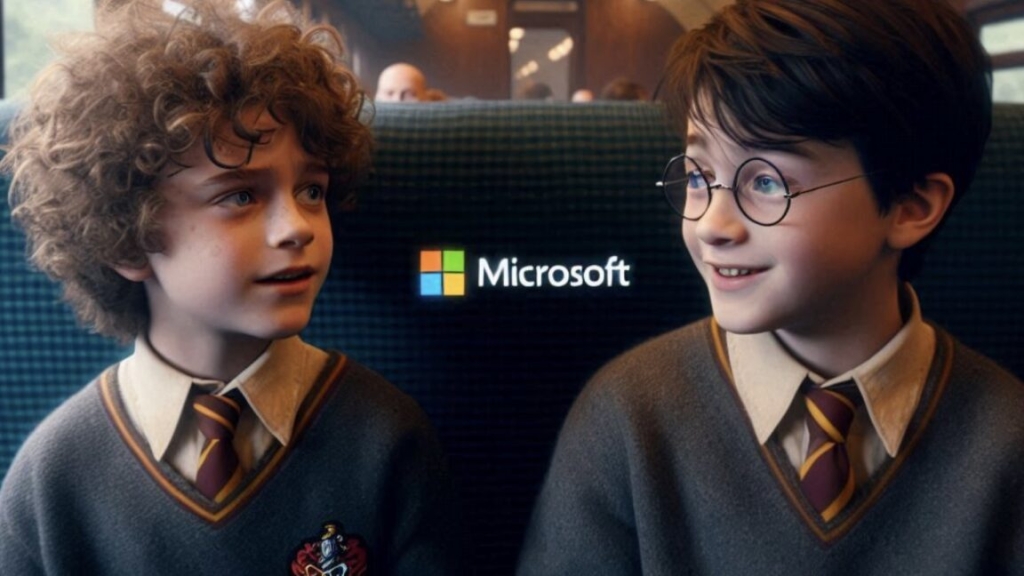
Microsoft’s AI Training Guide Pulled After Allegations of Copyrighted Book Use
In a surprising turn of events, Microsoft has quietly removed an AI training blog post that allegedly used pirated versions of copyrighted books to demonstrate how to build AI models. The now-deleted guide, hosted on Kaggle, was downloaded over 10,000 times before its removal, sparking debates over fair use, copyright infringement, and the ethics of AI training data.
The controversy centers on a blog post by a Microsoft employee, which included a dataset of eBooks allegedly sourced from pirated copies. The dataset, which was made publicly available, was used to train example AI models, raising red flags among copyright experts and the tech community.
The Legal Gray Area
Intellectual property lawyer Jane Smith, speaking to Ars Technica, highlighted the complexities of the situation. “I think that the regurgitation and the creation of fan fiction, they both could flag copyright issues,” Smith explained. “Fan fiction often has to take from the expressive elements, a copyrighted character, a character that’s famous enough to be protected by copyright law or plot stories or sequences. If these things are copied and reproduced, then that output could be potentially infringing.”
However, Smith also noted that the situation isn’t black and white. “Looking at the blog, I would be concerned,” she said, “but I wouldn’t say it’s automatically infringement.” This ambiguity stems from the ongoing legal debates surrounding AI training data and fair use.
Microsoft’s Decision to Pull the Blog
Microsoft’s decision to remove the blog post was likely a strategic move, according to Smith. “They were probably smart,” she said, pointing out that courts have generally ruled that training AI on copyrighted books falls under fair use. However, the use of pirated materials complicates the matter.
The Kaggle dataset page, now deleted, previously explained that the data was sourced by downloading eBooks and converting them to text files. This method of data collection has raised eyebrows, as it suggests the use of unauthorized copies of copyrighted works.
Potential Copyright Infringement
If Microsoft were to face legal scrutiny, the fair use argument could be challenging to defend, Smith warned. “If Microsoft ever faced questions as to whether the company knowingly used pirated books to train the example models, fair use could be a difficult argument,” she said.
Hacker News commenters have argued that the blog could be considered fair use, given its educational purpose. Smith acknowledged that Microsoft could raise “good arguments” in its defense. However, she also pointed out that the company could be held liable for contributing to infringement by leaving the blog up for a year and encouraging others to use the pirated dataset.
“The ultimate result is to create something infringing by saying, ‘Hey, here you go, go grab that infringing stuff and use that in our system,’” Smith said. “They could potentially have some sort of secondary contributory liability for copyright infringement, downloading it, as well as then using it to encourage others to use it for training purposes.”
The Broader Implications
This incident highlights the broader challenges facing the AI industry as it grapples with the ethical and legal implications of training data. As AI models become more sophisticated, the demand for large datasets has skyrocketed, often leading companies to source data from questionable origins.
The case also underscores the need for clearer guidelines and regulations around AI training data. While fair use laws provide some protection, they are not always sufficient to address the complexities of modern AI development.
What’s Next?
Microsoft has not issued a formal statement regarding the removal of the blog post. However, the incident serves as a cautionary tale for other companies in the AI space. As the legal landscape continues to evolve, companies must tread carefully to avoid potential copyright infringement and reputational damage.
For now, the tech community is left to ponder the implications of this controversy. Will it lead to stricter regulations on AI training data? Or will it prompt companies to adopt more transparent and ethical practices? Only time will tell.
Tags & Viral Phrases:
Microsoft AI training controversy, pirated eBooks, copyright infringement, fair use debate, AI ethics, Kaggle dataset, tech scandal, intellectual property lawyer, Jane Smith, Ars Technica, Hacker News, AI training data, secondary contributory liability, educational purposes, tech community, legal gray area, ethical AI, data sourcing, tech industry challenges, AI model training, copyright laws, Microsoft blog removal, AI development, tech regulation, ethical practices, reputational damage, legal scrutiny, tech cautionary tale.
,

Leave a Reply
Want to join the discussion?Feel free to contribute!