
Meta’s metaverse leaves virtual reality
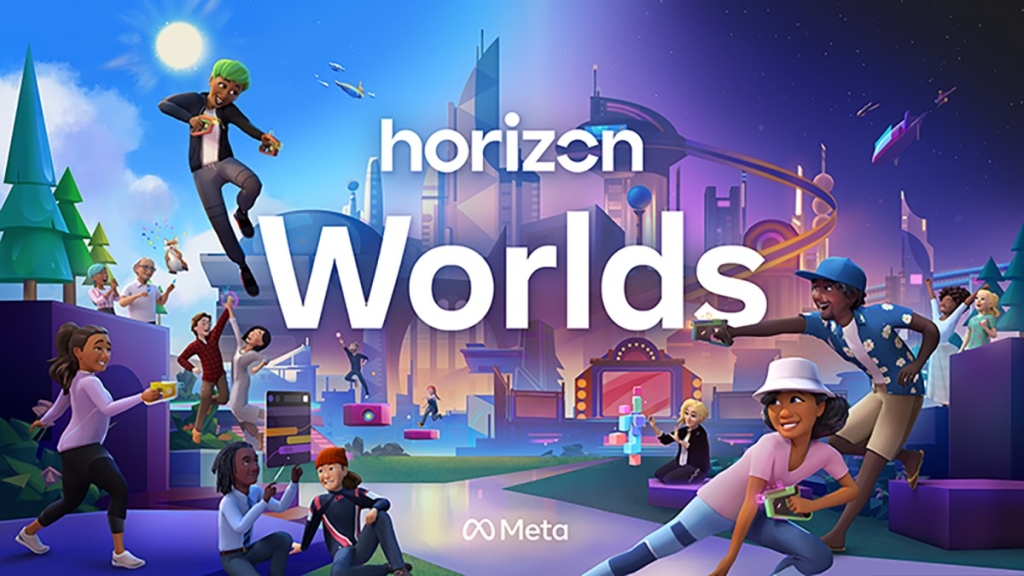
Meta Abandons Metaverse Dream, Shifts Horizon Worlds to Mobile-First Strategy
In a dramatic pivot that signals the end of an era, Meta has officially abandoned its metaverse ambitions, announcing a sweeping transformation of its once flagship virtual world, Horizon Worlds. The company is now positioning the platform as a mobile-first experience, explicitly separating it from its VR hardware ecosystem and setting its sights squarely on competing with juggernauts like Roblox and Fortnite.
The announcement, made via Meta’s developer blog, marks a significant strategic retreat from the company’s multi-billion dollar bet on immersive virtual reality. Instead of doubling down on headsets and spatial computing, Meta is now chasing scale through smartphones and social integration.
The Billion-Dollar Reality Check
Meta’s Reality Labs division, the engine behind its VR and smart glasses initiatives, has hemorrhaged nearly $80 billion in losses since 2020. This staggering figure underscores the financial unsustainability of the metaverse vision that once captivated Silicon Valley and dominated tech headlines.
The writing on the wall became clearer last month when Meta laid off approximately 1,500 employees—roughly 10% of Reality Labs’ workforce—and shuttered several VR game studios. The company also quietly moved its VR fitness app Supernatural into “maintenance mode,” effectively ending new content development for the platform it acquired in 2023 for a reported $400 million.
From VR-First to Mobile-First
When Horizon Worlds launched in 2021, it was positioned as Meta’s crown jewel in the VR space—a social sandbox where users could build, play, and interact in immersive 3D environments. The platform later expanded to web and mobile in 2023, but Thursday’s announcement makes clear that mobile is now the primary battlefield.
“We’re going all-in on mobile,” Meta declared, emphasizing that the shift is necessary to “truly change the game and tap into a much larger market.” The company is betting that by leveraging its massive social graph across Facebook, Instagram, and Messenger, it can inject Horizon Worlds into the daily digital habits of billions rather than the niche audience of VR headset owners.
Samantha Ryan, VP of Content at Reality Labs, framed the strategy in competitive terms: “We’re in a strong position to deliver synchronous social games at scale, thanks to our unique ability to connect those games with billions of people on the world’s biggest social networks.”
This mobile pivot places Horizon Worlds in direct competition with Roblox, which boasts over 70 million daily active users, and Epic Games’ Fortnite, which has evolved from a battle royale shooter into a full-fledged social metaverse with concerts, movies, and virtual events.
VR Hardware Isn’t Dead—Just Different
Despite the strategic shift away from the metaverse, Meta insists it’s not abandoning VR hardware entirely. Ryan noted that the company maintains “a robust roadmap of future VR headsets that will be tailored to different audience segments as the market grows and matures.”
This suggests a more focused approach to VR—targeting specific use cases like gaming, productivity, or enterprise rather than the broad, all-encompassing vision of a unified metaverse. It’s a pragmatic acknowledgment that while VR has passionate users, it hasn’t achieved the mass-market adoption Meta once predicted.
The AI Pivot That Changed Everything
The transformation of Horizon Worlds is just one piece of Meta’s broader strategic realignment. After years of pouring resources into virtual worlds, the company has decisively shifted its Reality Labs investments away from the metaverse and toward artificial intelligence.
During Meta’s latest earnings call, CEO Mark Zuckerberg made his priorities crystal clear: “It’s hard to imagine a world in several years where most glasses that people wear aren’t AI glasses.” This vision represents a fundamental reimagining of wearable technology—not as portals to virtual worlds, but as intelligent assistants that enhance our interaction with the real world.
Zuckerberg also revealed that sales of Meta’s AI-powered glasses have tripled over the past year, calling them “some of the fastest growing consumer electronics in history.” This growth trajectory suggests that consumers are more interested in AI-enhanced reality than virtual escapism.
What This Means for the Future
Meta’s abandonment of the metaverse vision represents one of the most significant strategic pivots in recent tech history. It validates what many critics have argued for years: that the concept of a unified, immersive virtual world was more hype than reality, at least for the current technological moment.
The company’s new direction suggests several key trends for the future of digital interaction:
First, mobile remains king. Despite years of predictions about VR’s inevitable dominance, smartphones continue to be the primary computing platform for billions of people. Meta’s decision to prioritize mobile accessibility over immersive depth reflects this reality.
Second, social integration matters more than immersion. By leveraging its existing social networks, Meta is betting that connectivity and community trump the novelty of 3D environments. This approach could help Horizon Worlds achieve the scale necessary to compete with established platforms.
Third, AI is the new frontier. As virtual worlds recede, intelligent interfaces and AI-powered wearables are emerging as the next big thing in consumer technology. Meta’s pivot suggests that the future of human-computer interaction may be less about escaping reality and more about enhancing it.
The End of an Era
For those who believed in Meta’s metaverse vision, this announcement represents a bittersweet moment. Horizon Worlds was supposed to be the foundation of a new digital frontier, a place where work, play, and social connection would converge in immersive virtual spaces.
Instead, it’s becoming just another mobile game platform in an increasingly crowded market. The dream of the metaverse—at least in the form Meta envisioned—appears to be dead, replaced by the more pragmatic pursuit of AI integration and mobile scale.
As Meta turns the page on its metaverse ambitions, the tech industry will be watching closely to see if this new strategy delivers the growth and engagement that billions in investment failed to achieve. One thing is certain: the future Meta is building looks very different from the one it promised just a few years ago.
Tags
Meta, Horizon Worlds, metaverse, virtual reality, VR, mobile gaming, Roblox, Fortnite, Reality Labs, Mark Zuckerberg, AI, smart glasses, tech pivot, gaming platform, social media, immersive technology
Viral Sentences
Meta kills the metaverse dream, Horizon Worlds goes mobile-first
$80 billion later, Meta admits VR was a dead end
Zuckerberg abandons virtual worlds for AI-powered smart glasses
Horizon Worlds pivots to compete with Roblox and Fortnite
Meta lays off 1,500 employees, shutters VR studios
The metaverse is dead, long live mobile gaming
AI glasses are Meta’s new billion-dollar bet
Virtual reality loses as mobile gaming wins
Meta’s $400 million Supernatural acquisition goes dark
Smart glasses sales triple as VR headsets gather dust
,


Leave a Reply
Want to join the discussion?Feel free to contribute!