
Prediction markets want to eat the news
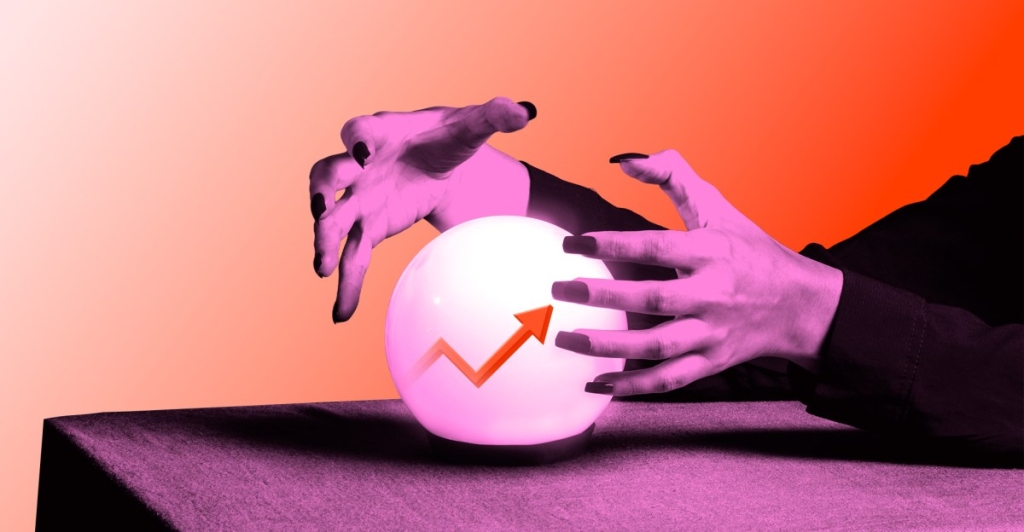
The Dangerous Convergence of Prediction Markets and News: How Betting Platforms Are Reshaping Media
Substack’s New Partnership with Polymarket: A Trojan Horse for Gambling
In a move that signals the accelerating fusion of gambling and journalism, Substack has announced an expanded partnership with prediction market platform Polymarket. The newsletter platform is introducing “native tools that make it easier to share, discuss, and debate prediction market data directly on Substack,” while Polymarket will pay select creators—including prominent Substack writer Matt Yglesias—to incorporate its betting data into their content.
This development is part of a broader trend where prediction markets are infiltrating traditional media outlets. Last week, Dow Jones announced it would incorporate Polymarket’s betting data into its content, including The Wall Street Journal. CNN has partnered with Kalshi to display prediction market odds, and CNBC has struck an exclusive deal to infuse its programming with Kalshi data. Even Nate Silver, once a respected statistical journalist, has joined Polymarket as an advisor ahead of the 2024 election.
The Fundamental Confusion: News vs. Predictions
Robinhood CEO Vlad Tenev recently articulated the underlying premise driving this convergence: “I like to think about prediction markets as the next generation of the news. We know the news is economically valuable. People pay for getting the newspaper; they pay indirectly for shows like this through advertising, and so if you get the news before it happens, that should be even more economically valuable.”
This statement reveals a critical misunderstanding about what news actually is. News is, by definition, a record of things that have happened. The earliest forms of journalism—from Rome’s Acta Diurna to 15th-century European business correspondence—were accounts of recent events, not forecasts of future ones. Weather forecasts and horoscopes aside, newspapers do not traffic in predictions; they tell you what happened yesterday, or perhaps 20 minutes ago in the case of online news.
You cannot know the news before it happens. This fundamental truth seems to have been lost in the rush to monetize predictions.
From Pseudo-Events to Prediction Markets
The confusion between news and predictions has been building for years, particularly in political coverage. Daniel J. Boorstin’s concept of “pseudo-events”—planned occurrences like press conferences, political conventions, and awards shows—has increasingly dominated media coverage. These events are designed to be reported on, with outcomes often known in advance and distributed to journalists under embargo.
Politics has become particularly saturated with pseudo-events: speeches, press conferences, social media feuds, ribbon-cuttings, and even the presidential pardoning of a turkey. This environment created fertile ground for prediction markets to enter the conversation as an alternative to increasingly unreliable polling.
During the 2024 election cycle, when traditional polling became suspect due to methodological challenges, prediction markets gained credibility by appearing more confident in their forecasts. Polymarket’s strong predictions for Trump’s victory made traditional media outlets look uncertain by comparison, driving more outlets to incorporate betting odds into their coverage.
The Insider Trading Problem
Prediction markets claim to contain valuable insider information, which is precisely why they’re attractive to gamblers. Polymarket CEO Shayne Coplan has called this “cool,” though it’s technically illegal under insider trading laws. The peer-to-peer nature of these markets means the platform itself isn’t directly harmed when insiders profit—only the uninformed bettors lose money.
There have been numerous examples of plausible insider trading on prediction markets: a trader who made nearly half a million dollars betting on the US “snatching” Venezuela’s president, another who earned over $1 million by correctly predicting Google’s 2025 Year in Search rankings, and one who netted $50,000 on the Nobel Peace Prize recipient.
While much of the volume in prediction markets involves sports betting, the contract-based nature of these markets can lead to ambiguity. For instance, whether Cardi B’s dance during Bad Bunny’s Super Bowl halftime show counted as a “performance” became a point of contention.
The Media Industry’s Self-Sabotage
By partnering with betting markets, news organizations have undermined themselves in multiple ways. First, they’ve commodified information and endorsed competitors who can actually pay for that information. Second, they’ve effectively become advertising vehicles for prediction markets, making their audience vulnerable to being exploited by insiders.
The public interest—the traditional justification for journalism—is being sacrificed for short-term gains. Most journalists entered the field to reflect reality and uncover wrongdoing, not to help gambling companies profit from their audience’s ignorance. The Fourth Estate’s role in holding power accountable, from exposing Enron and Theranos to uncovering political corruption, is fundamentally at odds with promoting gambling platforms.
The Accountability Gap
Unlike reputable news organizations that issue corrections when they make mistakes, prediction markets have no such accountability. They make their money through transaction fees and volume, caring less about outcomes than actual casinos. While audiences may feel betrayed by mainstream media failures, prediction markets and betting platforms are only after one thing: your money.
The move to embed betting markets in newsrooms appears to be marketing-driven, an attempt to signal that these platforms are somehow different from and superior to traditional gambling. What’s less clear is why newsrooms are going along with it. Is it financial desperation, or have the people running major media organizations become so confused by pseudo-events that they no longer understand the difference between manufactured media spectacles and actual world events?
The Future of Information
The convergence of prediction markets and news raises profound questions about the future of information. Will audiences prefer the “wisdom” of thousands of anonymous bettors attempting to predict the future over actual reporting on current conditions? Polymarket and Kalshi are certainly betting on it.
This trend represents not just a business decision but a philosophical shift in how we understand and value information. If prediction markets continue to be legitimized by mainstream media, we may be witnessing the transformation of journalism from a public service into a gambling platform—with all the social costs that entails.
Viral Tags and Phrases:
- “prediction markets as the next generation of news”
- “get the news before it happens”
- “wisdom of thousands of anons”
- “gambling-addiction-as-a-service”
- “pseudo-events made flesh”
- “commodifying information”
- “the Fourth Estate becomes the Fifth Column”
- “newsrooms becoming advertising vehicles for gambling”
- “the transformation of journalism into a gambling platform”
- “Baudrillard would be so proud”
- “financial nihilism”
- “the accountability gap”
- “media’s self-sabotage”
- “insider trading problem”
- “the confusion between news and predictions”
- “pseudo-events vs. actual events”
- “the dangerous convergence”
- “gambling companies ripping off your audience”
- “prediction markets infiltrating traditional media”
- “the fundamental confusion: news vs. predictions”
,

Leave a Reply
Want to join the discussion?Feel free to contribute!