
Tunic publisher claims TikTok ran ‘racist, sexist’ AI ads for one of its games without its knowledge
Finji Accuses TikTok of Secretly Using AI to Alter Game Ads Without Permission
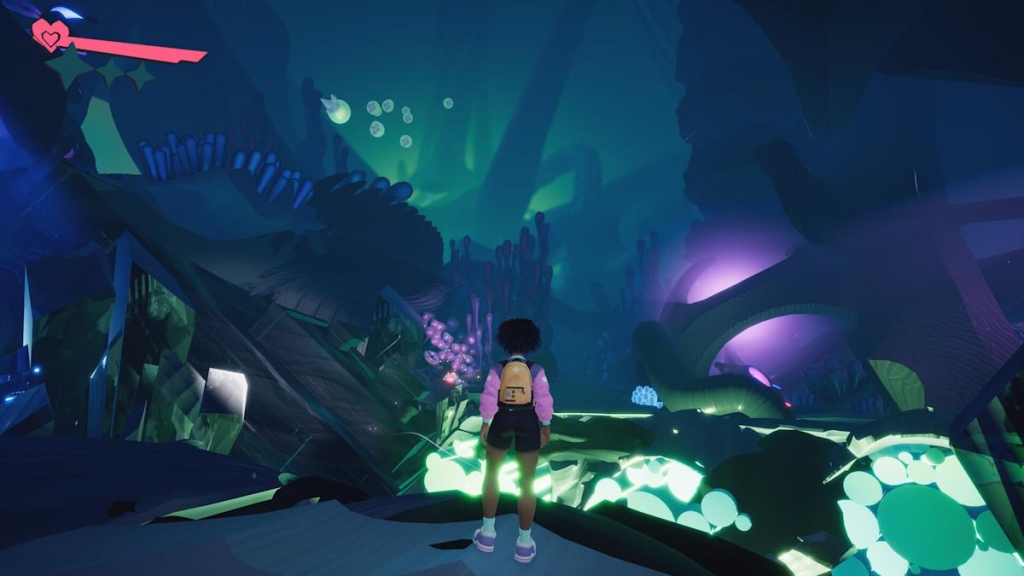
In a shocking revelation that’s sending ripples through the indie gaming community, publisher and developer Finji has accused TikTok of secretly using generative AI to modify advertisements for its games without permission, including one instance that allegedly featured a “racist, sexualized” representation of a character from Usual June.
The controversy came to light when Finji CEO and co-founder Rebekah Saltsman was alerted by followers of the company’s official TikTok account about ads that appeared to be altered versions of their approved creative content. What makes this particularly alarming is that Finji explicitly has AI features disabled on their advertising account, yet TikTok allegedly proceeded to modify their content anyway.
The AI-Generated Ad That Sparked Outrage
According to detailed reporting by IGN, one of the modified ads depicted the protagonist of Usual June with “a bikini bottom, impossibly large hips and thighs, and boots that rise up over her knees.” This depiction bears no resemblance to the actual character design in the game, raising serious questions about how TikTok’s AI system interprets and modifies game characters.
The ad appeared as a slideshow format, and while some images showed minimal alterations, this particular example demonstrated what Finji describes as a complete misrepresentation of their intellectual property. The character’s sexualized portrayal not only misrepresents the game’s actual content but also potentially damages Finji’s brand reputation and artistic vision.
TikTok’s Initial Response Raises More Questions
When Finji first approached TikTok about the issue, the platform’s initial response was to claim they could find “no evidence that AI-generated assets or slideshow formats are being used.” This response came despite Finji providing screenshots of the clearly modified advertisement. The disconnect between what Finji observed and TikTok’s initial denial suggests either a significant communication breakdown or a more concerning lack of transparency about how the platform’s advertising systems actually function.
In subsequent exchanges, TikTok appeared to acknowledge the evidence and assured Finji that they were “no longer disputing whether this occurred.” The platform stated it had “escalated the issue internally” and was investigating thoroughly. However, Finji’s frustration with the response process has been palpable throughout the ordeal.
The Hidden AI Features TikTok Didn’t Disclose
What makes this situation particularly troubling is the existence of TikTok’s AI-powered advertising features that Finji claims were never properly disclosed or explained. The platform offers a “Smart Creative” option that uses generative AI to create multiple versions of user-created ads, automatically pushing out the versions that perform best with audiences.
Additionally, TikTok’s “Automate Creative” features use AI to automatically optimize various elements including music, audio effects, and visual quality to “enhance the user’s viewing experience.” These features, when enabled, essentially give TikTok’s AI system carte blanche to modify advertiser content without explicit approval for each change.
Finji maintains that both of these options were turned off in their account settings, yet the modified ads still appeared. This suggests either a technical glitch, a deliberate override, or a fundamental misunderstanding of how these features actually work in practice.
The “Catalog Ads Format” Explanation
After multiple exchanges, TikTok eventually provided what it described as an explanation, though many found it unsatisfactory. The platform stated that Finji’s campaign used a “catalog ads format” designed to “demonstrate the performance benefits of combining carousel and video assets in Sales campaigns.”
This explanation raised more questions than it answered. TikTok claimed this “initiative” helps advertisers “achieve better results with less effort,” but failed to address the specific concerns about harmful content, unauthorized modifications, and the sexualization of characters. The response essentially acknowledged that the AI modifications occurred but framed it as a feature rather than a bug.
The Consent and Control Problem
Perhaps the most concerning aspect of this controversy is the apparent lack of meaningful consent and control. Finji maintains they never knowingly opted into any AI modification features, yet TikTok’s explanation suggests they may have inadvertently activated the “catalog ads format” without understanding the implications.
This raises serious questions about transparency in digital advertising platforms. If a major indie publisher like Finji, with presumably sophisticated marketing teams, can unknowingly have their content modified by AI, what protections exist for smaller developers or individual creators?
Reputational and Commercial Damage
Saltsman has been vocal about the “commercial and reputational harm” caused by these unauthorized modifications. Game developers invest significant resources in creating and maintaining their brand identity, and having that identity altered without permission—especially in ways that sexualize characters or potentially perpetuate harmful stereotypes—represents a serious breach of trust.
The fact that these modified ads were presented as if they came directly from Finji compounds the problem. Followers who saw the ads would naturally assume they represented the developer’s official marketing, potentially creating confusion about the game’s actual content and tone.
Industry-Wide Implications
This controversy extends far beyond Finji and TikTok. It raises fundamental questions about AI ethics in advertising, intellectual property rights in the digital age, and the balance between platform optimization and creator control.
If platforms can unilaterally modify advertiser content using AI—even with supposedly disabled features—it creates a dangerous precedent. Game developers, in particular, are protective of their artistic vision and character designs. Having those designs altered by AI without consent strikes at the heart of creative ownership.
The Response Timeline
The timeline of events reveals a troubling pattern of initial denial followed by reluctant acknowledgment. TikTok’s customer support initially claimed no evidence of AI use, then shifted to acknowledging the issue while providing vague explanations about “initiatives” and “performance benefits.”
For a platform that handles billions in advertising revenue, this response seems inadequate given the seriousness of the allegations. The lack of a clear apology or concrete steps to prevent recurrence has left Finji and observers questioning TikTok’s commitment to advertiser trust and content integrity.
What This Means for Game Developers
Game developers considering TikTok as an advertising platform should take note. This incident suggests that even with AI features supposedly disabled, there may be other mechanisms through which content can be automatically modified without explicit consent.
Developers may need to implement additional safeguards, request written assurances about content modification policies, or consider alternative platforms if maintaining strict control over their marketing materials is a priority.
The Future of AI in Advertising
This controversy highlights the growing tension between AI-driven optimization and human creative control. While AI can certainly improve advertising performance through testing and iteration, the question of where to draw the line remains contentious.
Should platforms have the right to modify advertiser content to improve engagement metrics? At what point does optimization cross into unauthorized alteration? These questions will only become more pressing as AI advertising tools become more sophisticated and widespread.
TikTok’s Silence Speaks Volumes
When approached by IGN for comment on the broader situation, TikTok declined to provide additional context or clarification. This silence, particularly in the face of specific allegations about unauthorized AI use and character sexualization, does little to inspire confidence in the platform’s advertising practices.
The lack of transparent communication about how these AI features work, when they’re activated, and what safeguards exist for advertisers suggests a platform that may be prioritizing engagement metrics over creator trust.
Tags & Viral Phrases:
- TikTok AI scandal
- Unauthorized AI content modification
- Game developer outrage
- Finji vs TikTok
- Racist sexualized AI ads
- Smart Creative controversy
- Catalog ads format deception
- Indie game advertising nightmare
- Rebekah Saltsman speaks out
- AI ethics in advertising
- Intellectual property violation
- TikTok customer service failure
- Game character sexualization
- Advertising platform trust issues
- Generative AI gone wrong
- Creator consent violation
- Digital advertising transparency
- Platform accountability crisis
- Unauthorized content alteration
- AI optimization vs creative control
- Game marketing nightmare
- TikTok advertising scandal
- AI modification without permission
- Reputational damage claims
- Commercial harm allegations
- Platform feature opacity
- Hidden AI advertising tools
- Advertiser rights violation
- Content integrity breach
- Social media advertising controversy
- AI ethics debate reignited
- Digital creator protections
- Advertising platform accountability
- AI content generation controversy
- Game developer platform trust
- Unauthorized AI creative control
- TikTok Smart Creative scandal
- AI advertising feature transparency
- Creator content modification rights
- Platform AI feature disclosure
- Game marketing platform risks
- AI advertising ethics violation
- Digital advertising consent issues
- Platform feature opt-in confusion
- AI-generated content controversy
- Game developer platform concerns
- Advertising content integrity
- AI modification transparency
- Platform accountability standards
- Digital advertising ethics debate
,


Leave a Reply
Want to join the discussion?Feel free to contribute!