
‘It’s survival of the fittest’: the UK kebab chain seeking an edge with robot slicers | Robots
Robots Are Slicing Kebabs Now: How German Doner Kebab Is Revolutionizing Fast Food With Tech
In a bold move that signals the future of fast food, German Doner Kebab (GDK) is bringing automation to the heart of its operations—starting with robotic kebab slicers that are already shaving meat more efficiently than human hands. As the UK’s high streets face mounting pressure from rising costs and changing consumer habits, this Glasgow-based chain is betting big on technology to stay ahead of the curve.
The fast-casual restaurant industry has been under siege. With households cooking at home more frequently to combat inflation, and restaurants grappling with surging energy bills, business rates, national insurance, and hourly wages, profit margins are being squeezed tighter than ever. Yet GDK isn’t just surviving—it’s thriving, with plans to open 25 new UK locations this year and expand to 900 outlets worldwide.
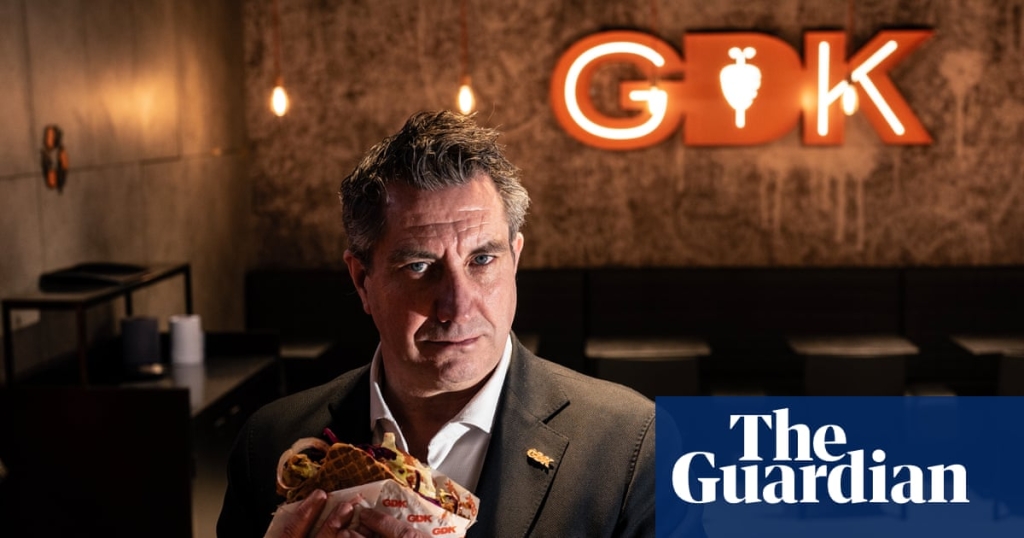
“Survival of the fittest,” says Simon Wallis, GDK’s CEO, as he sits in the bustling St Martin’s Lane outlet in central London, enjoying a chicken burrito. Wallis, a veteran of major fast-food chains like Domino’s, Papa John’s, Pizza Hut, and KFC, knows a thing or two about staying competitive in a cutthroat industry.
The robotic kebab-shaver, currently being trialed in Bedford, is just one piece of Wallis’s technological arsenal. These machines don’t just reduce labor costs—they outperform humans by cutting meat from rotating skewers with unmatched precision and consistency. It’s the kind of efficiency that could redefine the entire kebab industry.
But automation isn’t GDK’s only trick. The chain has introduced self-service screens in at least three locations per restaurant, with newer outlets featuring four screens that now account for two-thirds of all transactions. Preheating equipment that reduces toasting time and a central kitchen for mixing signature sauces are further examples of how GDK is streamlining operations.
Wallis’s “smart kitchen” innovations even include removing barriers between the kitchen and counter, allowing one person to prepare and serve food during quieter periods—a nod to traditional takeaway efficiency with a modern twist.
The investment in technology comes from True Capital, a British firm that acquired a 60% stake in GDK last year. True Capital, known for its diverse portfolio including Hush clothing, Cotswold Company, Bedfolk homewares, and Warpaint cosmetics, clearly sees potential in GDK’s tech-forward approach.
To lure customers back from delivery apps like Deliveroo and JustEat—which eat into profits with various fees—GDK is developing a loyalty app. Despite cost-of-living concerns, delivery sales grew by over 10% last year, but Wallis knows that in-house dining is more profitable. Special dine-in-only menu items and promotions are in the works, alongside geolocation technology to identify regenerating high street areas.
“It’s wrong to say the high street is dead,” Wallis insists. “In some pockets, high streets are coming back, and you’ve got to be smart about the right location.”
GDK is also catering to health-conscious and trend-savvy younger diners. With 57% of its menu already compliant with government HFSS (High in Fat, Salt, and Sugar) advertising restrictions, the chain aims to increase that to 66%. Wallis believes GDK’s focus on chicken-heavy options and appeal to Gen Z makes it somewhat “immune” to the potential impact of GLP-1 appetite-suppressing drugs, which are expected to affect fast-food sales.
In the St Martin’s Lane outlet, edgy dance music pulses through the space, designed to attract younger customers. New kebab flavors are being developed following the success of an extra-spicy dish that went viral on social media—proof that GDK understands the power of digital trends.
“We’ve got to be worth it,” Wallis says. “People are being more discerning about spending money.”
As robots slice kebabs and screens ring up orders, German Doner Kebab isn’t just adapting to the future of fast food—it’s helping to shape it. In an industry where margins are razor-thin and competition is fierce, GDK’s blend of automation, efficiency, and trend-savvy marketing might just be the recipe for survival—and success.
Tags & Viral Phrases:
- Robotic kebab slicers
- Fast food automation
- High street survival
- Tech-driven restaurants
- Self-service screens
- Loyalty apps
- Gen Z dining trends
- GLP-1 drugs impact
- Smart kitchen innovations
- Delivery vs. dine-in
- Viral menu items
- High street regeneration
- Fast food efficiency
- Cost of living challenges
- HFSS compliance
- Edgy restaurant vibes
- Precision meat slicing
- Digital ordering dominance
- Franchise profitability
- Consumer discernment
- Edge-of-your-seat dining
- Future of fast food
- Robotic kitchen assistants
- Social media-driven menus
- Tech-savvy takeaways
,


Leave a Reply
Want to join the discussion?Feel free to contribute!