
Wikipedia blacklists Archive.today, starts removing 695,000 archive links
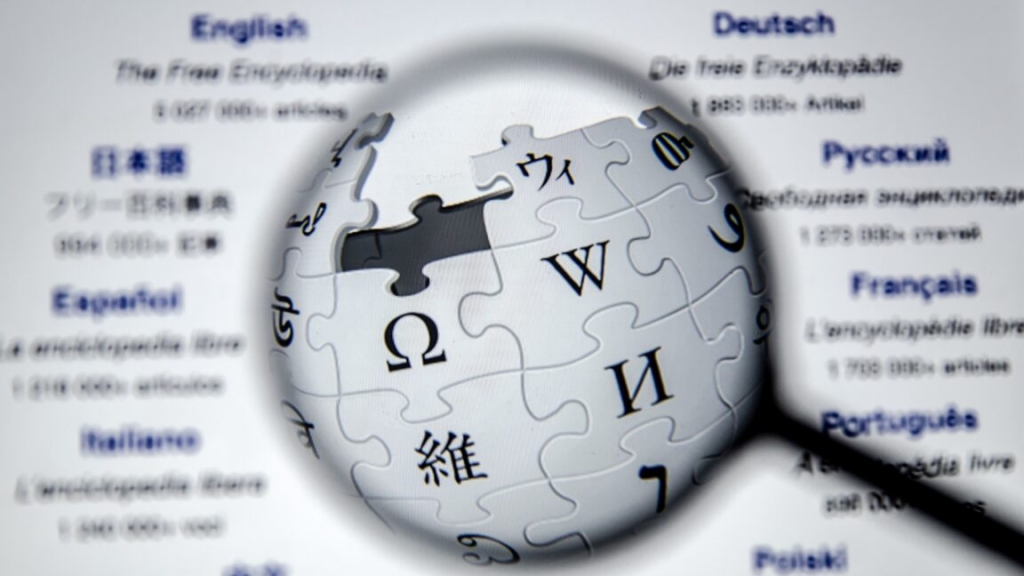
Wikipedia Blacklists Archive.today Over DDoS Attack and Content Tampering
In a dramatic move that underscores the escalating tensions between online archiving services and content platforms, the English-language edition of Wikipedia has officially blacklisted Archive.today, a controversial website that has long been used to bypass paywalls and preserve web content. The decision comes after revelations that the archive site was allegedly weaponized in a distributed denial of service (DDoS) attack and was found to have tampered with archived content to settle personal scores.
The controversy erupted when Wikipedia editors discovered that Archive.today had been used to orchestrate a DDoS attack against a blog, leveraging the computers of unsuspecting users who accessed archived pages. The attack was reportedly motivated by a grudge against a blogger who had previously exposed the Archive.today maintainer’s use of multiple aliases to conceal their identity.
“This is a clear violation of trust and a dangerous misuse of technology,” said one Wikipedia editor involved in the decision-making process. “We cannot allow a platform that hijacks users’ computers for malicious purposes to be linked from our pages.”
The decision to blacklist Archive.today was not taken lightly. Over 695,000 links to the archive site are scattered across approximately 400,000 Wikipedia pages, making the removal process a monumental task. However, the community reached a strong consensus that the risks far outweighed the benefits.
“We have a responsibility to our readers to ensure that the links we provide are safe and reliable,” said another editor. “Archive.today’s actions have shown that it cannot be trusted to meet these standards.”
The controversy also revealed that Archive.today had been altering snapshots of webpages to insert the name of the targeted blogger, further undermining its credibility as a neutral archiving service. This revelation has raised serious questions about the integrity of the site’s archives and its suitability as a source for Wikipedia’s verifiability standards.
The FBI is currently investigating Archive.today, seeking to unmask its mysterious founder. The site has long been a thorn in the side of publishers, offering a way for users to bypass paywalls and access content for free. However, its recent actions have pushed it beyond the pale, even for those who once defended its utility.
Wikipedia’s decision has sparked a broader debate about the role of archiving services in the digital age. While sites like the Internet Archive and Ghostarchive continue to be trusted sources, Archive.today’s fall from grace serves as a cautionary tale about the dangers of unchecked power in the hands of anonymous operators.
The Wikipedia community has now issued guidance to editors, urging them to remove and replace links to Archive.today’s various domain names, including archive.today, archive.is, archive.ph, archive.fo, archive.li, archive.md, and archive.vn. Editors are encouraged to use alternative archives or, where possible, link directly to the original sources.
As the dust settles, one thing is clear: the era of unchecked archiving is coming to an end. In an age where misinformation and manipulation are rampant, platforms like Wikipedia are taking a stand to protect their users and uphold the integrity of their content.
Tags: Wikipedia, Archive.today, DDoS attack, content tampering, online archiving, Internet Archive, Ghostarchive, Megalodon, paywalls, FBI investigation, digital integrity, verifiability, online trust, web archiving, cybersecurity.
Viral Phrases: “Wikipedia strikes back,” “Archive.today’s dark side exposed,” “The fall of a digital giant,” “When archiving goes rogue,” “Protecting the web, one link at a time,” “The end of unchecked archiving,” “A cautionary tale for the digital age,” “Wikipedia’s bold move against cyber threats,” “The rise and fall of Archive.today,” “Integrity over convenience.”
,

Leave a Reply
Want to join the discussion?Feel free to contribute!