
Xbox chief Phil Spencer retiring after 38 years at Microsoft; Asha Sharma named new gaming CEO
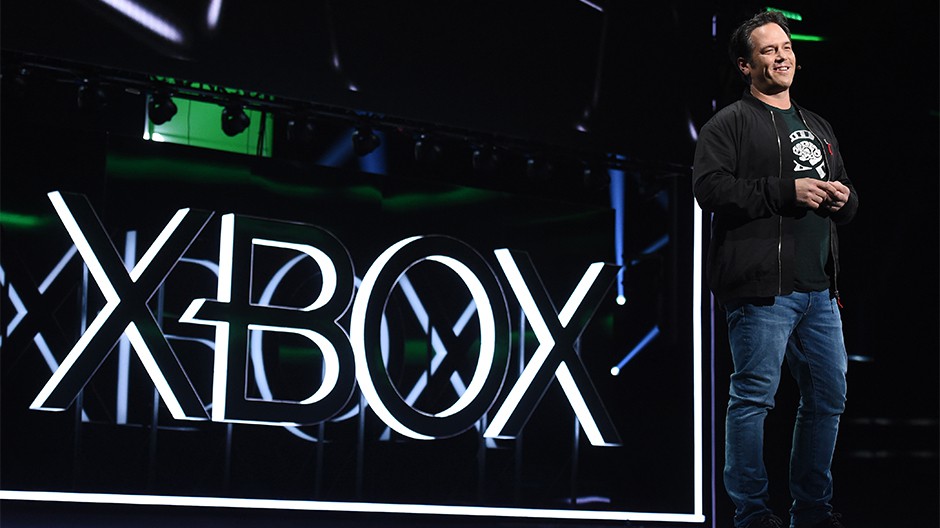
Microsoft Gaming CEO Phil Spencer Announces Retirement After 38 Years at Tech Giant
In a seismic shift that has sent shockwaves through the gaming industry, Microsoft Gaming CEO Phil Spencer has announced his retirement from the company after an illustrious 38-year career that fundamentally transformed how the world plays video games.
The veteran Xbox leader, who has been at the helm of Microsoft’s gaming division for the past 12 years, will be succeeded by Asha Sharma, a former Instacart COO and Meta executive who joined Microsoft just two years ago. This unexpected leadership transition also sees Sarah Bond, Xbox president and widely considered a potential Spencer successor, departing the company, while Matt Booty is elevated to executive vice president and chief content officer overseeing Microsoft’s nearly 40 game studios.
Spencer, who has become one of the most recognizable faces in gaming, told Microsoft CEO Satya Nadella of his intention to step back last fall, and the company has been planning this transition for months. In his farewell message to employees, Spencer described his nearly four-decade journey at Microsoft as “an epic ride and truly the privilege of a lifetime.”
A Legacy of Transformation
Under Spencer’s leadership, Microsoft Gaming underwent a dramatic metamorphosis. He expanded the company’s reach across PC, mobile, and cloud platforms, nearly tripled the business size, and orchestrated some of the most significant acquisitions in gaming history, including the blockbuster $68.7 billion purchase of Activision Blizzard, the $7.5 billion acquisition of ZeniMax Media (parent company of Bethesda), and the earlier acquisition of Minecraft developer Mojang.
Nadella praised Spencer’s impact in his memo to employees, noting that he “helped shape our strategy through the acquisitions of Activision Blizzard, ZeniMax, and Minecraft; and strengthened our culture across our studios and platforms.”
The timing of this transition comes as Xbox faces considerable challenges in the competitive gaming landscape. During Microsoft’s most recent quarter, gaming revenue fell 9%, or $623 million, with Xbox content and services revenue declining 5% and hardware revenue plummeting 32%. Microsoft CFO Amy Hood attributed the decline partly to a prior-year quarter that benefited from stronger first-party game releases.
Despite these headwinds, gaming remains core to Microsoft’s consumer ambitions, accounting for just over 7% of the company’s total revenue—approximately $5.96 billion of Microsoft’s $81.3 billion in the most recent quarter.
A New Leadership Team Emerges
Asha Sharma’s appointment as the new CEO of Microsoft Gaming represents a bold strategic choice by Nadella. Sharma brings no prior experience in the video-game industry but comes with deep expertise in consumer platforms and operations from her time at Instacart and Meta. Her role will presumably be complemented by Booty’s new position as chief content officer, where he will oversee Microsoft’s sprawling studio portfolio and bring his decades of gaming experience to the table.
In her first message to the gaming team, Sharma made a striking pledge that has already resonated throughout the industry. She vowed that Microsoft would not “flood our ecosystem with soulless AI slop,” emphasizing that “games are and always will be art, crafted by humans.” This statement positions Microsoft in direct opposition to concerns about AI-generated content flooding creative industries and signals a commitment to human-centered game development.
Industry Reaction and Future Outlook
The gaming community has responded with a mixture of nostalgia for Spencer’s tenure and curiosity about what Sharma’s leadership will bring. Spencer’s approachable demeanor and genuine passion for gaming culture made him immensely popular among players, developers, and industry observers alike. His advocacy for accessibility in gaming, commitment to preserving gaming history, and focus on player-centric decision-making helped reshape Microsoft’s gaming strategy from a console-centric approach to a more inclusive, platform-agnostic vision.
The transition also raises questions about Xbox’s strategic direction. Under Spencer, Microsoft doubled down on subscription services like Xbox Game Pass and cloud gaming initiatives, positioning the company as a platform-agnostic player in an industry traditionally dominated by hardware sales. How Sharma and Booty will continue or modify this strategy remains to be seen.
What’s Next for Phil Spencer?
While stepping down from his day-to-day responsibilities, Spencer will remain in an advisory role through the summer to support the transition. His departure marks the end of an era for Xbox, which is celebrating its 25th anniversary this year. From its humble beginnings as Microsoft’s ambitious entry into the console market to becoming a global gaming powerhouse under Spencer’s leadership, Xbox’s journey mirrors the broader evolution of the gaming industry itself.
As Spencer himself noted in his farewell message, “I’m incredibly proud of what we’ve built together over the last 25 years, and I have complete confidence in all of you and in the opportunities ahead. I’ll be cheering you on in this next chapter as Xbox’s proudest fan and player.”
The gaming world will undoubtedly be watching closely as Microsoft Gaming enters this new chapter under Sharma’s leadership, with expectations running high for how the company will navigate the rapidly evolving landscape of interactive entertainment.
Tags and Viral Phrases:
- Phil Spencer retirement
- Microsoft Gaming CEO change
- Asha Sharma Xbox
- Xbox leadership transition
- Gaming industry shakeup
- Activision Blizzard acquisition
- Xbox Game Pass future
- Cloud gaming strategy
- Sarah Bond departure
- Matt Booty promotion
- Gaming revenue decline
- Microsoft gaming challenges
- AI in gaming controversy
- Human-centered game development
- Xbox 25th anniversary
- Gaming subscription services
- Console wars 2024
- Microsoft gaming acquisitions
- Gaming industry leadership
- Player-first gaming philosophy
- Xbox hardware sales
- Gaming platform strategy
- Interactive entertainment future
- Gaming community reaction
- Microsoft gaming legacy
- Cloud gaming revolution
- Gaming subscription wars
- Xbox Game Pass growth
- Gaming industry transformation
- Microsoft gaming vision
- Gaming accessibility advocacy
- Console gaming future
- Gaming business models
- Interactive entertainment evolution
- Gaming industry disruption
- Microsoft gaming strategy
- Gaming content creation
- Gaming platform competition
- Gaming industry trends 2024
- Xbox gaming ecosystem
- Gaming industry leadership change
- Microsoft gaming innovation
- Gaming market challenges
- Xbox gaming future
- Gaming industry transformation 2024
- Microsoft gaming dominance
- Gaming industry evolution
- Xbox gaming strategy 2024
- Gaming industry leadership crisis
- Microsoft gaming revolution
,


Leave a Reply
Want to join the discussion?Feel free to contribute!