
The Supreme Court’s Tariff Ruling Won’t Bring Car Prices Back to Earth
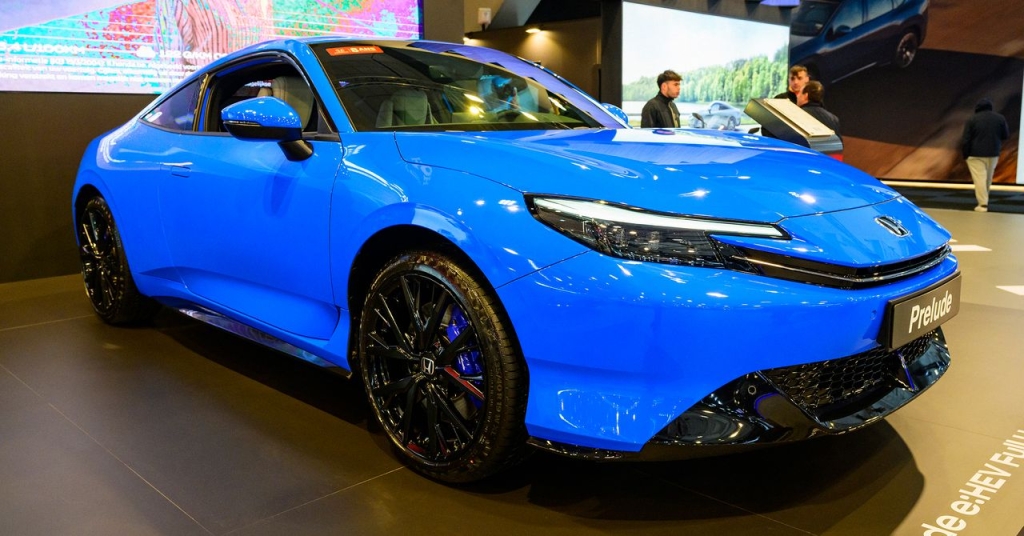
The American dream of owning a brand-new car is slipping further out of reach, with the average transaction price soaring to a staggering $48,576 in the United States last month — a nearly 30 percent jump from 2019 figures, according to data from automotive research firm Edmunds. The era of the “affordable” new car — once defined as anything under $20,000 — has officially ended, marking a seismic shift in the auto industry landscape.
For years, the narrative around rising car prices has been pinned on a cocktail of economic pressures: lingering supply chain disruptions from the pandemic era, the integration of increasingly expensive technology into even the most basic models, soaring labor and raw material costs, and, more recently, a wave of tariffs introduced under the Trump administration targeting imported steel, aluminum, and vehicles themselves. These factors have created a perfect storm, pushing the dream of a new car further out of reach for the average American.
However, a recent Supreme Court ruling that challenges some of these tariffs has left many hoping for relief at the dealership. Unfortunately, industry experts say that relief is unlikely to materialize anytime soon. “The core cost structure facing the auto industry hasn’t fundamentally changed overnight,” says Jessica Caldwell, Edmunds’ head of insights, in an emailed statement. In simpler terms: don’t expect to see cheaper cars on the lot anytime soon, even with the legal shake-up.
The Supreme Court’s decision specifically targets the president’s authority to use the International Emergency Economic Powers Act (IEEPA) to impose tariffs in response to declared emergencies. Under this justification, the Trump administration had applied tariffs globally, citing “large and persistent” trade deficits as the emergency. Additional duties were slapped on imports from Canada, China, and Mexico, framed around concerns over the flow of migrants and drugs into the United States.
Yet, the tariffs most directly impacting the auto industry stem from a different legal avenue: Section 232 of the Trade Expansion Act. This provision allows for tariffs on imports that “threaten to impair” national security. Under this authority, the administration imposed duties on steel, aluminum, copper — all critical raw materials for vehicle manufacturing — as well as on imported auto parts and finished vehicles. This includes a 15 percent tariff on cars built in Europe, Japan, and South Korea, countries that are major players in the U.S. auto market.
Interestingly, automakers have so far managed to shield consumers from the full brunt of these tariffs. While retailers across various sectors have blamed tariffs for steadily rising prices on everything from electronics to appliances, new car prices have only increased by about 1 percent compared to the same period last year, according to Edmunds’ data. This relative stability has been a small mercy for buyers, but industry analysts warn it may not last.
“If cost pressures continue to build, automakers may have less room to shield shoppers from higher prices,” Caldwell cautions. “But for now, the broader market impact is still playing out.” In other words, the current pricing environment is a temporary reprieve, not a long-term trend.
As the tariff regime drags on without significant relief, the pressure on automakers to absorb these costs will only intensify. Should that happen, consumers could find themselves facing even steeper price tags at the dealership, further eroding the accessibility of new vehicles. For now, the dream of an affordable new car remains just that — a dream.
Tags & Viral Phrases:
- The $48,576 new car reality
- Affordable cars are extinct in the U.S.
- Tariffs, supply chains, and the death of cheap cars
- Why your next car will cost more
- Supreme Court ruling won’t lower car prices
- Automakers can’t shield buyers forever
- The end of the $20,000 new car
- Trump-era tariffs still crushing the auto industry
- National security tariffs on your sedan
- Car prices up 30% since 2019
- No relief for new car buyers
- The perfect storm of car price inflation
- Why even the Supreme Court can’t save you money on a new car
- The unaffordable American dream
- Automakers walking a tightrope with tariffs
,


Leave a Reply
Want to join the discussion?Feel free to contribute!