
Free ChatGPT is surprisingly expensive, here’s why
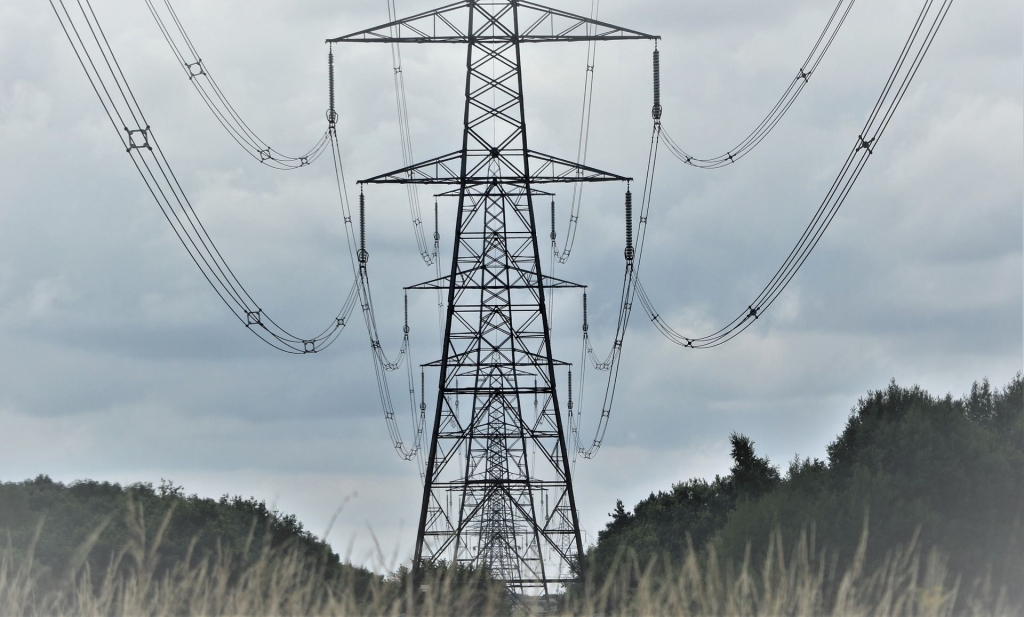
OpenAI’s Billion-Dollar AI Gamble: How ChatGPT’s Success Is Forcing a Radical Business Overhaul
ChatGPT’s explosive growth has created a financial paradox that’s forcing OpenAI to rethink everything from its business model to its infrastructure.
The Hidden Cost of “Free” AI
ChatGPT’s meteoric rise to hundreds of millions of users has created a staggering financial challenge that most people never see. Every single query—whether it’s a quick recipe suggestion or a complex code debugging session—requires massive computational resources, electricity, and water consumption across data centers worldwide. What feels like a simple chat interface on your screen is actually a complex web of powerful servers working tirelessly to keep up with demand.
The numbers are mind-boggling. OpenAI’s annual operating costs have ballooned to approximately $17 billion, a figure that’s forcing the company to make dramatic changes to its business strategy. Even with multiple subscription tiers—ChatGPT Plus at $20 monthly, ChatGPT Pro at $200 monthly, and various enterprise packages—these revenue streams barely scratch the surface of what’s needed to sustain the platform’s massive infrastructure.
From Nonprofit to Tech Giant
OpenAI’s journey from its 2015 nonprofit origins to today’s $500 billion valuation tells a story of adaptation and survival. The organization initially aimed to develop safe and beneficial AI through philanthropic funding, but quickly realized this model couldn’t sustain cutting-edge research. In 2019, OpenAI transformed into a capped-profit entity, attracting major investments from tech giants like Microsoft (which now owns about 27% of the company), SoftBank, and Nvidia.
This restructuring has positioned OpenAI for potential market dominance, with speculation mounting about an IPO later this year. However, the company’s valuation and investor expectations have created enormous pressure to generate sustainable revenue streams that match its infrastructure costs.
The Advertising Revolution
In a move that signals OpenAI’s desperation to balance the books, the company has begun rolling out advertisements in ChatGPT for free users and those on the $8 monthly ChatGPT Go tier. These ads are clearly labeled and separated from chat responses, but their introduction marks a significant shift in how AI services might be funded in the future.
The advertising strategy isn’t just about making extra money—it’s about survival. Each additional user adds substantial costs rather than the marginal expenses typical of social media platforms. Where Facebook or Twitter can add millions of users with minimal incremental costs, every new ChatGPT user potentially generates dozens or hundreds of expensive computations daily.
The Energy Crisis Behind AI
The environmental and financial costs of running AI systems are staggering. A Washington Post analysis revealed that generating a single weekly 100-word AI email over a year consumes about 7.5 kilowatt-hours of energy. Scale that up to hundreds of millions of weekly users, and the energy consumption becomes astronomical.
This energy demand translates directly into financial pressure. Data centers require massive electricity supplies, cooling systems, and water resources. The computational intensity of large language models means that even simple interactions require significant processing power, driving up both operational costs and environmental impact.
What This Means for Users
The introduction of ads and potential pricing changes will likely reshape how people interact with AI tools. Free access may become more limited over time, with premium features increasingly locked behind subscription tiers. Users who rely heavily on ChatGPT for work or personal projects might face new usage limits or be encouraged to upgrade to paid plans.
For businesses using OpenAI’s API, price changes could be on the horizon as the company balances cost recovery with maintaining competitive pricing in the market. The API already generates over $20 billion in annualized revenue, but this may need to increase significantly to offset rising infrastructure costs.
The Future of AI Economics
OpenAI’s challenges reflect a broader issue in the AI industry: the economics of generative AI fundamentally differ from traditional digital services. Unlike social networks where user growth typically reduces per-user costs through economies of scale, AI services face increasing marginal costs with each new user.
This reality is forcing companies to innovate not just in technology but in business models. We may see more hybrid approaches combining subscriptions, API usage fees, advertising, and potentially new monetization strategies as the industry matures. The question isn’t whether AI will become more expensive to use, but rather how that cost will be distributed among users, businesses, and advertisers.
The Infrastructure Behind Innovation
Behind every clever response and helpful suggestion from ChatGPT lies a vast network of data centers consuming enormous amounts of power and resources. This infrastructure represents both the promise and the challenge of AI technology—it can provide incredible value to users but at a significant cost that must be sustained.
As AI becomes more embedded in daily life, these economic realities will shape how companies design and deliver their services. Users should expect to see continued evolution in pricing models, feature availability, and potentially even the capabilities offered in free versus paid tiers.
Tags: #OpenAI #ChatGPT #AI #ArtificialIntelligence #TechNews #BusinessModel #Advertising #Infrastructure #EnergyCosts #DataCenters #Microsoft #Nvidia #SoftBank #SamAltman #Technology #Innovation #FutureOfAI #DigitalEconomy #TechIndustry #AIethics #Sustainability #ComputingCosts
Viral Phrases: “The hidden cost of free AI” “Billions in infrastructure expenses” “From nonprofit to $500 billion giant” “Ads are coming to ChatGPT” “The energy crisis behind AI” “Why your free AI isn’t really free” “The billion-dollar AI gamble” “How ChatGPT’s success became its biggest challenge” “The future of AI economics” “Infrastructure demands reshaping tech business models”
,

Leave a Reply
Want to join the discussion?Feel free to contribute!