
Why creators are ditching ad revenue for chocolate bars and fintech acquisitions
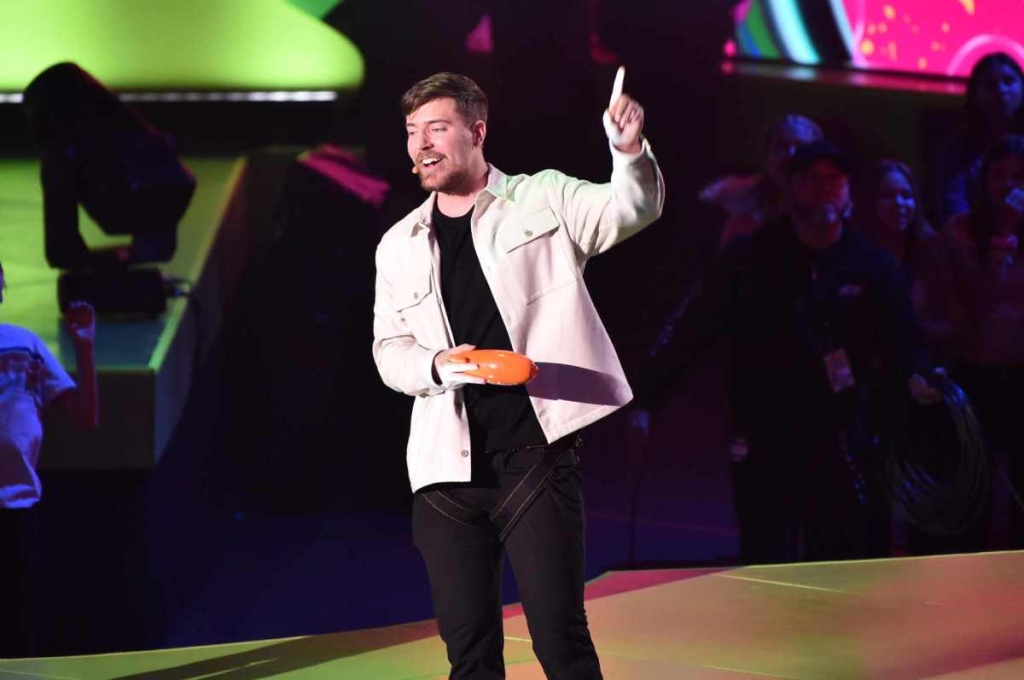
The Creator Economy’s New Playbook: From YouTube Ads to Business Empires
The digital landscape is shifting beneath the feet of content creators everywhere, and the message is clear: relying solely on ad revenue is no longer a sustainable strategy. As the creator economy matures, top-tier influencers are rewriting the rules, transforming their online personas into multifaceted business empires that extend far beyond the traditional confines of sponsored posts and AdSense checks.
The most striking example of this evolution is MrBeast, whose company recently acquired the Gen-Z-focused fintech app Step. This move signals a dramatic pivot from content creation to strategic business expansion. But MrBeast isn’t stopping there—his chocolate business is now out-earning his media arm, a revelation that has sent shockwaves through the industry and prompted creators at all levels to reconsider their monetization strategies.
On a recent episode of TechCrunch’s Equity podcast, hosts Kirsten Korosec, Anthony Ha, and Rebecca Bellan dove deep into this phenomenon, exploring how creators are diversifying their income streams and what this means for the future of digital entrepreneurship. The conversation revealed that this isn’t merely a trend among elite creators; it’s becoming the new standard playbook for anyone serious about building a lasting career in the digital space.
The shift away from ad dependency comes as no surprise to industry observers. YouTube’s algorithm changes, fluctuating ad rates, and the platform’s ongoing battles with brand safety concerns have made creators increasingly wary of putting all their eggs in one basket. The solution? Building diversified business portfolios that leverage their personal brands while creating multiple revenue streams.
For many creators, this means launching product lines that align with their content and audience. Beauty influencers create cosmetics brands, gaming personalities develop merchandise and accessories, and educational content creators launch paid courses or subscription services. The key is authenticity—products that feel like a natural extension of the creator’s brand tend to resonate most strongly with their audience.
Others are taking a more aggressive approach, acquiring existing businesses or investing in startups that complement their content ecosystem. This strategy allows creators to enter established markets with built-in audiences and proven business models, reducing the risk associated with launching entirely new ventures from scratch.
The implications of this shift extend far beyond individual creator success stories. As more influencers build legitimate business empires, the line between entertainment and entrepreneurship continues to blur. We’re witnessing the emergence of a new class of digital-native business leaders who understand both content creation and business strategy in ways that traditional executives often don’t.
However, this evolution raises important questions about accessibility and scalability. Can this model work for creators who aren’t already at the top of their game? What happens to the long tail of the creator economy when the focus shifts to building business empires rather than creating content? The Equity podcast hosts grappled with these questions, acknowledging that while the opportunities are expanding, the barriers to entry are also rising.
Meanwhile, the technological landscape continues to evolve at breakneck speed, introducing new tools and platforms that could further disrupt the creator economy. ByteDance’s Seadance 2.0, an advanced AI video generation tool, has sparked intense debate about the future of content creation. While proponents argue that such tools democratize creativity by making high-quality video production accessible to anyone with a smartphone, critics worry about the potential for an overwhelming flood of AI-generated content—what some are calling the “slop” problem.
The tension between technological advancement and creative authenticity lies at the heart of the current creator economy debate. As AI tools become more sophisticated, creators must navigate the balance between leveraging technology to enhance their work and maintaining the personal connection that makes their content valuable in the first place.
The diversification trend also reflects broader changes in how audiences consume content and interact with creators. Modern viewers increasingly see their favorite influencers as more than just entertainers—they’re trusted voices, lifestyle guides, and even potential business partners. This shift in perception creates opportunities for creators to build deeper, more meaningful relationships with their audiences through products, services, and experiences that go beyond passive consumption.
Looking ahead, the creator economy appears poised for continued transformation. The most successful creators of tomorrow will likely be those who can effectively combine content creation skills with business acumen, technological literacy, and an understanding of their audience’s evolving needs and desires. The days of simply being good on camera or having a unique perspective are giving way to a more complex skill set that includes strategic thinking, financial management, and brand development.
As this new paradigm takes shape, it’s clear that the creator economy is no longer just about making content—it’s about building sustainable businesses that can weather platform changes, algorithm updates, and shifting consumer preferences. Whether this evolution ultimately benefits the broader creator community or primarily advantages those already at the top remains to be seen, but one thing is certain: the game has changed, and creators everywhere need to adapt or risk being left behind.
The conversation around these changes continues to evolve, with industry experts, creators, and audiences all weighing in on what the future holds. As platforms, technologies, and business models continue to develop, the only constant appears to be change itself—and the creators who can navigate this ever-shifting landscape will be the ones who define the next chapter of digital entrepreneurship.
MrBeast buys fintech app Step
Creators building business empires
YouTube ad revenue decline
Diversifying creator income streams
Seadance 2.0 AI video generator
Creator economy evolution
Digital entrepreneurship
Influencer business strategies
ByteDance AI tools
Content creator monetization
TechCrunch Equity podcast
Gen-Z fintech acquisition
AI-generated content concerns
Creator product lines
Digital business models
Platform algorithm changes
Creator brand expansion
Entertainment entrepreneurship
Sustainable creator careers
AI video democratization
Content creation technology
Creator audience relationships
Business diversification strategies
Digital media transformation
Creator economy accessibility
Technology and authenticity
Future of content creation
Influencer investment strategies
Digital business leadership
,


Leave a Reply
Want to join the discussion?Feel free to contribute!