
Job titles of the future: Breast biomechanic
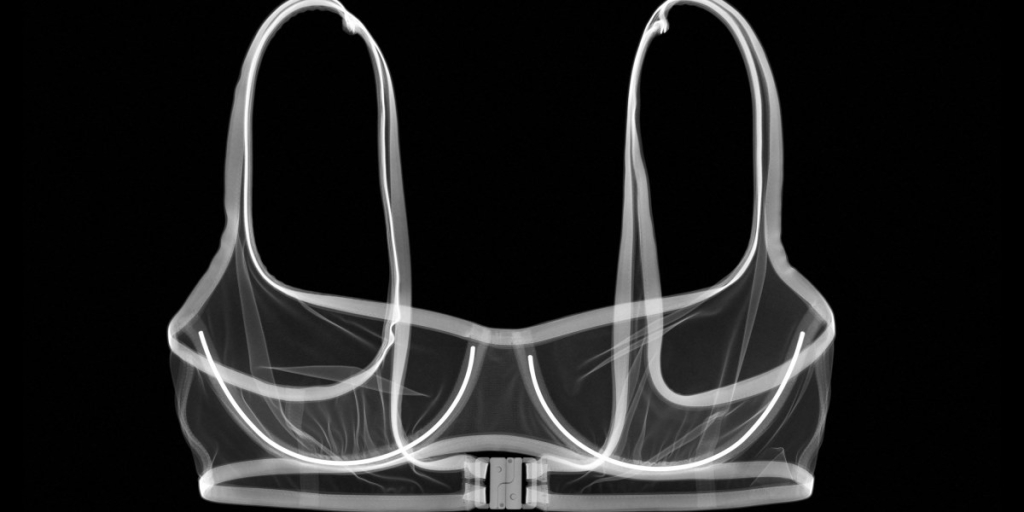
The Hidden Science Behind the Perfect Sports Bra: Why Millions of Women Still Suffer in Silence
When most people think about sports science, they imagine cutting-edge running shoes, aerodynamic cycling gear, or high-tech fitness trackers. But there’s one piece of athletic equipment that has been woefully overlooked for decades—despite affecting millions of women worldwide: the humble sports bra.
Recent research from the University of Portsmouth’s Research Group in Breast Health has revealed that wearing the wrong sports bra isn’t just uncomfortable—it can be downright harmful. A bra that’s too tight can significantly limit breathing capacity, while one that’s too loose can cause chronic back, shoulder, and neck pain. The culprit? A phenomenon scientists call “breast slap”—the painful lag between torso and breast movement during exercise that creates uncomfortable, sometimes damaging impact.
The numbers are staggering. Studies show that physical discomfort from poorly designed bras, combined with the embarrassment of excessive movement during exercise, ranks among the top barriers preventing women from engaging in physical activity. In fact, research indicates that women who have access to properly fitting, supportive sports bras are significantly more likely to maintain regular exercise routines and pursue activities like running.
But here’s where it gets complicated—and controversial. The sports bra industry has long been divided between two competing philosophies. Some manufacturers swear by compression bras that deliberately flatten breast tissue against the chest wall. Others champion encapsulation designs that support each breast individually, mimicking the structure of traditional bras but with enhanced stability.
The scientific community remains divided on which approach is truly superior. Is it more important to reduce overall breast motion? To slow down the speed of movement? To eliminate that dreaded “slap” effect entirely? These aren’t just academic questions—they have real-world implications for millions of women who are essentially forced to choose between comfort and support every time they shop for athletic wear.
Dr. Joanna Wakefield-Scurr, who leads the University of Portsmouth’s pioneering research, is pushing the boundaries of what’s possible. Her team has begun testing revolutionary new materials that can dynamically adjust their tightness or stretchiness based on movement patterns. Imagine a bra that becomes more supportive during high-impact moments and relaxes during lower-intensity periods—essentially adapting in real-time to your body’s needs.
The implications extend far beyond comfort. As more women participate in high-impact sports like running, basketball, and CrossFit, the demand for truly effective sports bras has never been greater. Yet Wakefield-Scurr’s lab is struggling to keep pace with requests for testing and evaluation. The gap between scientific understanding and commercial product development remains frustratingly wide.
This isn’t just about athletic performance or vanity—it’s about public health. When women are discouraged from exercising due to inadequate support, it contributes to broader issues of physical inactivity, which is linked to obesity, cardiovascular disease, diabetes, and mental health challenges. The sports bra, it turns out, may be one of the most important—and most neglected—tools in the fight for women’s health and fitness.
The good news? The science is finally catching up to the need. With increased research funding, growing awareness, and innovative materials on the horizon, the era of the one-size-fits-all, one-style-serves-all sports bra may finally be coming to an end. Women deserve better—and according to the latest research, they’re going to get it.
Tags: sports bra science, breast health research, women’s fitness barriers, exercise discomfort, sports bra design, athletic wear innovation, breast movement biomechanics, women’s health, compression vs encapsulation, adaptive sports fabrics, University of Portsmouth research, breast slap phenomenon, exercise participation barriers, sports science breakthroughs, women’s athletic performance
Viral phrases: “The sports bra revolution you didn’t know you needed,” “Science finally solves the sports bra mystery,” “Why millions of women are exercising wrong,” “The hidden barrier keeping women from fitness,” “Revolutionary materials that adapt to your body,” “Breast slap: The painful truth about exercise,” “Compression vs encapsulation: The ultimate sports bra debate,” “How your bra might be sabotaging your workout,” “The public health crisis hiding in your lingerie drawer,” “When sports science meets women’s health”
,


Leave a Reply
Want to join the discussion?Feel free to contribute!