
Phil Spencer Leaving Xbox, As Microsoft AI Boss Takes Over And Promises No "Soulless AI Slop"
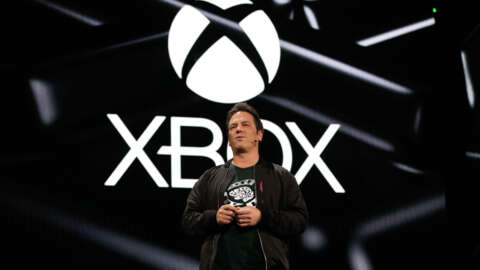
Microsoft’s Gaming Leadership Overhaul: Phil Spencer Announces Retirement After 38 Years, Major Executive Shakeup Reshapes Xbox Future
In a stunning development that has sent shockwaves through the global gaming industry, Microsoft Gaming CEO Phil Spencer has announced his retirement from the company after an extraordinary 38-year career that transformed Xbox from a struggling console brand into one of the most influential forces in interactive entertainment.
The news broke late Tuesday evening, with IGN first reporting the seismic shift in Microsoft’s gaming leadership structure. The announcement marks not just the departure of one of gaming’s most respected executives, but also signals a broader strategic realignment as Microsoft doubles down on its artificial intelligence ambitions across all business units.
A Legacy Spanning Nearly Four Decades
Spencer’s journey with Microsoft represents one of the most remarkable corporate success stories in modern technology. Starting as an intern in 1988 when the company was still primarily focused on software development, he climbed through various engineering and product management roles before finding his true calling in gaming.
His rise to prominence came during one of Xbox’s most challenging periods. When appointed as head of Xbox in 2014, the division was reeling from the disastrous launch of the Xbox One, which had been plagued by controversial policies, messaging missteps, and fierce competition from Sony’s PlayStation 4. Spencer’s leadership during this critical juncture would prove transformative.
Under his stewardship, Xbox underwent a complete renaissance. He championed initiatives that would fundamentally reshape the gaming landscape: the introduction of backward compatibility across console generations, the launch of Xbox Game Pass as a revolutionary subscription service, and strategic acquisitions including Bethesda Softworks and Activision Blizzard that positioned Microsoft as a genuine challenger to Sony’s market dominance.
The Timing and Context of Spencer’s Departure
Industry analysts are scrambling to understand the timing of this announcement, which comes at a particularly interesting juncture for Microsoft’s gaming division. The company is currently navigating the complex regulatory approval process for its $69 billion acquisition of Activision Blizzard, while simultaneously positioning itself for what many believe will be the next generation of gaming technology.
Spencer’s retirement announcement, made via his personal Twitter account, carried a reflective and somewhat emotional tone that suggested careful consideration rather than impulsive decision-making. “It’s rare in life to know when a chapter is closing, but after 38 years at Microsoft, that moment has arrived for me,” he wrote. “I’ve made the decision to retire and begin the next chapter of my life. It’s a milestone that’s given me a chance to reflect on the incredible journey I’ve been fortunate enough to share with so many of you.”
The timing also coincides with Microsoft’s broader corporate strategy under CEO Satya Nadella, which has increasingly emphasized artificial intelligence integration across all product lines. This strategic pivot appears to be a key factor in the leadership changes, with Matt Booty, previously head of Xbox Game Studios, being promoted to oversee gaming operations within Microsoft’s AI division.
Sarah Bond’s Departure and Organizational Restructuring
Adding to the magnitude of this leadership transition is the simultaneous departure of Xbox president Sarah Bond, who had been widely regarded as one of the most influential figures in gaming business strategy. Bond’s exit, combined with Spencer’s retirement, represents the most significant executive turnover in Xbox’s 23-year history.
In a move that underscores Microsoft’s AI-first approach, Asha Sharma has been appointed as the new head of Xbox. Sharma brings extensive experience in AI and cloud computing from her previous roles at Meta and other technology companies, suggesting that Microsoft views gaming as increasingly intertwined with its artificial intelligence and cloud infrastructure ambitions.
Industry Reaction and Market Response
The gaming community’s reaction to Spencer’s retirement has been overwhelmingly emotional, with developers, journalists, and players alike taking to social media to express their gratitude and concern about the future direction of Xbox. Many credit Spencer with single-handedly saving the Xbox brand and making gaming more accessible through initiatives like Game Pass and cloud gaming.
Financial markets have also responded to the news, with Microsoft’s stock experiencing minor fluctuations in after-hours trading. While the changes don’t appear to have caused significant investor concern, analysts are closely watching how the transition might affect Microsoft’s competitive position against Sony and Nintendo in the console market.
What Spencer’s Legacy Means for Gaming
Spencer’s impact on the gaming industry extends far beyond Microsoft’s balance sheets. He was instrumental in pushing for more consumer-friendly policies in an industry often criticized for anti-consumer practices. His advocacy for game preservation through backward compatibility, his commitment to making games available across multiple platforms, and his willingness to challenge industry norms around pricing and distribution have left an indelible mark.
Perhaps most significantly, Spencer helped transform the perception of Xbox from a hardware-centric business to a platform-agnostic entertainment service. Under his leadership, Microsoft embraced a “play anywhere” philosophy that recognized gaming’s evolution beyond traditional consoles, positioning Xbox as a service available on PC, mobile devices, and competing consoles through cloud streaming.
The Road Ahead for Xbox
As Microsoft navigates this leadership transition, several critical questions loom over the future of Xbox. How will the new leadership team maintain the momentum Spencer built? Will the increased focus on AI integration enhance or complicate the gaming experience? And perhaps most pressingly, how will these changes affect the ongoing Activision Blizzard acquisition and Microsoft’s broader competitive strategy?
The appointment of Asha Sharma suggests that Microsoft views gaming as increasingly inseparable from its AI and cloud computing initiatives. This could herald a new era where Xbox services become more deeply integrated with Microsoft’s broader technology ecosystem, potentially offering unprecedented levels of personalization and accessibility but also raising questions about data privacy and the role of artificial intelligence in creative industries.
A Personal Reflection on Industry Transformation
Spencer’s retirement marks more than just a leadership change; it represents the end of an era in gaming. He was one of the last remaining executives who had been present at the birth of modern console gaming and had witnessed its evolution from cartridges to digital downloads to cloud streaming.
His departure raises interesting questions about the future leadership of the gaming industry. As gaming continues to grow in cultural and economic significance, the executives who will shape its next chapter may come from increasingly diverse backgrounds, bringing expertise in areas like artificial intelligence, cloud computing, and mobile technology that were peripheral concerns during Spencer’s early years at Microsoft.
The Human Element in Corporate Transitions
What makes Spencer’s retirement particularly poignant is the personal connection he cultivated with the gaming community. Unlike many corporate executives who maintain strict professional distance, Spencer regularly engaged with players through social media, shared his gaming experiences publicly, and demonstrated genuine passion for the medium he helped shape.
This personal touch helped humanize Microsoft during a period when the company was often perceived as an impersonal corporate giant. His willingness to admit mistakes, such as the Xbox One launch missteps, and his transparent communication about the company’s vision helped rebuild trust with a skeptical gaming community.
Tags and Viral Phrases:
Phil Spencer retirement, Xbox leadership change, Microsoft gaming shakeup, 38 years at Microsoft, gaming industry news, Xbox Game Pass future, Activision Blizzard acquisition, Asha Sharma Xbox, Matt Booty promotion, gaming executive departures, console wars 2024, cloud gaming future, AI in gaming, gaming subscription services, Xbox brand transformation, Phil Spencer legacy, gaming community reaction, Microsoft AI strategy, console generation transition, gaming industry restructuring, Satya Nadella gaming vision, Xbox business strategy, gaming market competition, backward compatibility champion, game preservation efforts, cloud streaming gaming, Xbox ecosystem expansion, gaming industry veterans, corporate leadership transitions, interactive entertainment future, gaming accessibility initiatives, platform agnostic gaming, digital distribution revolution, gaming subscription economy, console hardware evolution, gaming content strategy, Microsoft gaming acquisitions, competitive gaming landscape, gaming industry disruption, entertainment technology convergence, gaming community leadership, corporate culture in gaming, industry veteran departures, gaming business model innovation, next generation gaming, gaming industry consolidation, entertainment subscription wars, gaming platform competition, interactive media evolution.
,


Leave a Reply
Want to join the discussion?Feel free to contribute!