
AI’s promise to indie filmmakers: Faster, cheaper, lonelier
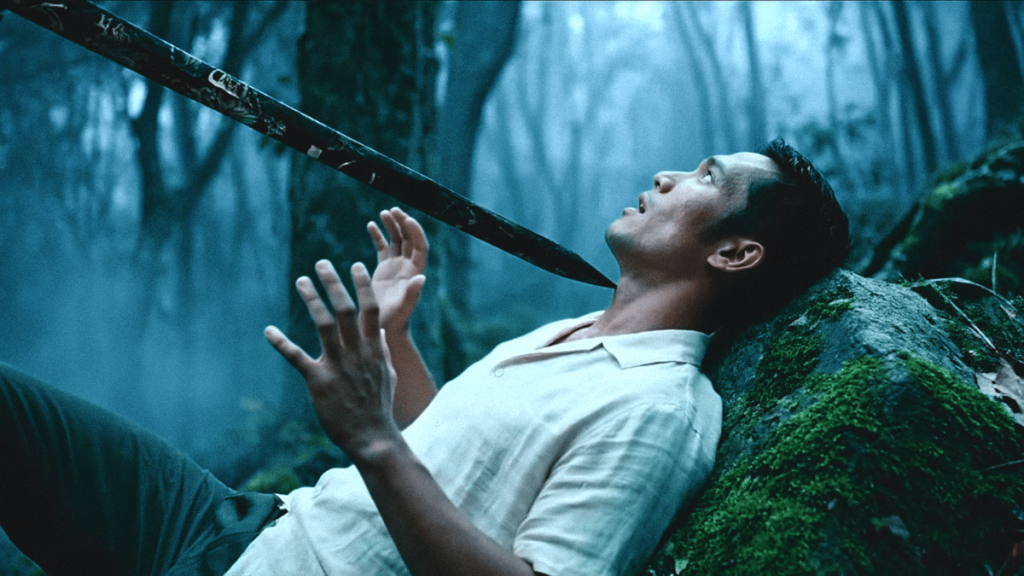
AI Expands Access to Filmmaking for Resource-Constrained Creators, But Creativity Risks Being Drowned in a Deluge of Low-Effort, AI-Generated Content
In the ever-evolving landscape of digital media, artificial intelligence has emerged as a double-edged sword, democratizing the art of filmmaking while simultaneously threatening to flood the industry with a torrent of low-quality, AI-generated content. For decades, the world of filmmaking has been an exclusive domain, reserved for those with access to substantial financial resources, cutting-edge technology, and a network of industry connections. However, the advent of AI-powered tools has begun to dismantle these barriers, offering a glimmer of hope to aspiring creators who once found themselves locked out of the industry due to financial constraints or lack of access to professional-grade equipment.
AI-driven platforms and software have revolutionized the filmmaking process, enabling creators to produce high-quality content with minimal resources. From AI-assisted scriptwriting and storyboarding to automated video editing and visual effects, these tools have streamlined production workflows, significantly reducing the time and cost associated with traditional filmmaking. For independent filmmakers, students, and hobbyists, this technological leap has been nothing short of transformative. No longer do they need to rely on expensive cameras, lighting rigs, or post-production suites to bring their visions to life. Instead, they can harness the power of AI to create compelling narratives, stunning visuals, and immersive soundscapes, all from the comfort of their own homes.
The democratization of filmmaking through AI has also fostered a more diverse and inclusive creative ecosystem. By lowering the barriers to entry, AI has empowered voices from underrepresented communities to share their stories with the world. This newfound accessibility has led to a surge in innovative and culturally rich content, reflecting a broader spectrum of perspectives and experiences. In many ways, AI has become a catalyst for creativity, enabling a new generation of filmmakers to experiment, iterate, and push the boundaries of storytelling.
However, as the industry embraces AI-driven efficiency, a growing concern looms on the horizon: the risk of creativity being overshadowed by an overwhelming influx of low-effort, AI-generated content. The very tools that have democratized filmmaking are now being used to churn out a deluge of formulaic, uninspired videos that prioritize quantity over quality. With AI algorithms capable of generating scripts, editing footage, and even composing music in a matter of minutes, the temptation to prioritize speed and cost-effectiveness over artistic integrity has never been greater.
This trend has sparked a heated debate within the filmmaking community. On one side, proponents argue that AI is simply a tool, and like any tool, its impact depends on how it is wielded. They contend that AI can enhance creativity by automating mundane tasks, freeing up creators to focus on the more nuanced aspects of storytelling. On the other side, critics warn that the widespread adoption of AI could lead to a homogenization of content, where originality and artistic vision are sacrificed in favor of algorithmic efficiency.
The rise of AI-generated content has also raised questions about the value of human creativity in an increasingly automated world. As AI becomes more sophisticated, it is capable of mimicking the styles and techniques of renowned filmmakers, blurring the line between human and machine-generated art. This has led to concerns about the devaluation of human craftsmanship and the potential loss of jobs in the creative industries. Moreover, the sheer volume of AI-generated content threatens to overwhelm audiences, making it increasingly difficult for truly innovative and original works to stand out in a crowded marketplace.
Despite these challenges, there is hope that the industry can strike a balance between leveraging AI for efficiency and preserving the essence of human creativity. Some filmmakers are already exploring ways to integrate AI into their workflows without compromising their artistic vision. By using AI as a collaborative partner rather than a replacement for human creativity, they are finding new ways to push the boundaries of storytelling while maintaining the authenticity and emotional depth that only human creators can provide.
As the debate over AI’s role in filmmaking continues to unfold, one thing is clear: the future of the industry will be shaped by how we choose to harness this powerful technology. While AI has the potential to democratize filmmaking and empower a new generation of creators, it also poses a significant risk to the integrity of the art form. The challenge lies in finding a way to embrace the efficiencies of AI without losing sight of the creativity, passion, and originality that make filmmaking such a profound and impactful medium.
In the end, the true measure of AI’s impact on filmmaking will not be determined by the quantity of content it generates, but by the quality of the stories it helps to tell. As creators, audiences, and industry leaders navigate this new frontier, the key will be to ensure that AI serves as a tool for empowerment rather than a force of homogenization. Only then can we fully realize the potential of AI to expand access to filmmaking while preserving the creativity and artistry that lie at the heart of the craft.
Tags:
AI filmmaking, democratization of creativity, low-effort content, AI-generated videos, independent filmmakers, storytelling innovation, AI tools, creative industries, human vs machine creativity, algorithmic efficiency, artistic integrity, digital media evolution, AI collaboration, filmmaking accessibility, content saturation, future of storytelling, AI in media, creative empowerment, technological disruption, filmmaking revolution.
,

Leave a Reply
Want to join the discussion?Feel free to contribute!