
Linux 7.0 Lands More AMDGPU Fixes For Old Radeon Hardware
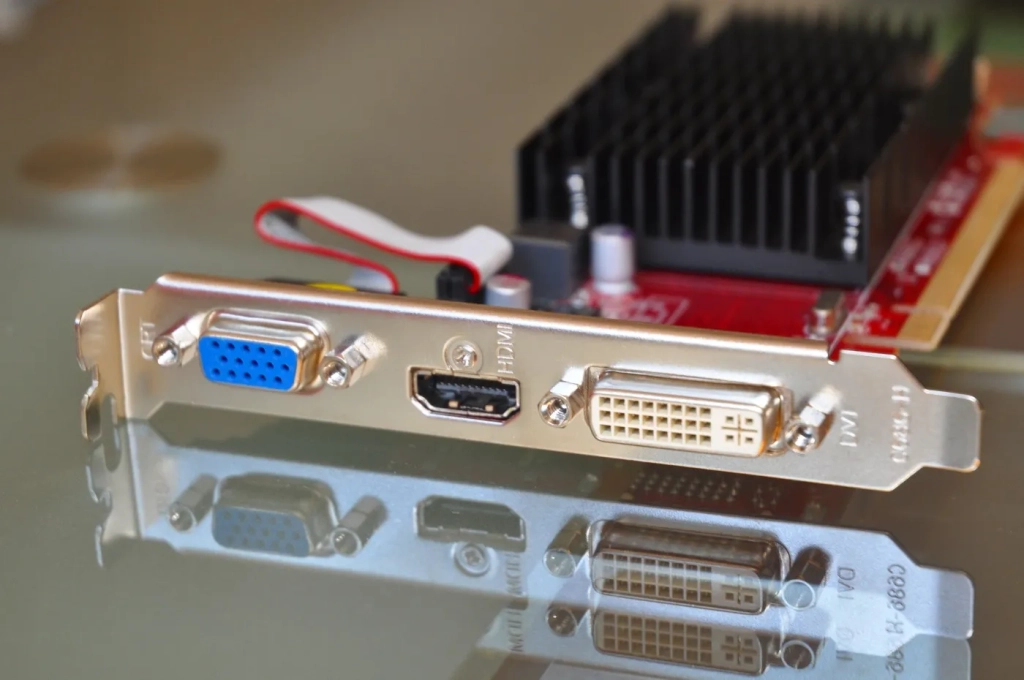
Linux 7.0 Kernel Unleashes AMDGPU Fixes for Vintage Radeon Hardware and Modern Macs
The Linux 7.0 kernel continues to evolve with its latest Git merge bringing a substantial collection of Direct Rendering Manager (DRM) graphics driver fixes, with AMDGPU improvements taking center stage. This development cycle demonstrates Linux’s commitment to supporting both aging hardware and cutting-edge systems simultaneously.
AMDGPU Takes the Spotlight with Vintage Hardware Support
The most significant portion of the latest Linux 7.0 merge consists of AMDGPU driver fixes, spearheaded by Timur Kristóf from Valve’s open-source Linux graphics team. Kristóf has been instrumental in revitalizing support for older AMD GCN 1.0 and GCN 1.1 GPU architectures, which had been languishing under the legacy Radeon DRM driver.
One particularly noteworthy fix addresses a frustrating “black screen” issue affecting users with analog connector setups. This problem specifically impacted systems using AMDGPU’s Display Core (DC) code with cards like the Radeon HD 7790. The resolution brings analog connector support closer to parity with digital display types, ensuring a more consistent experience across different hardware configurations.
The timing of these improvements is particularly relevant as many users continue to rely on older AMD hardware for various applications, from retro gaming to specialized computing tasks. By breathing new life into these aging GPUs, the Linux kernel maintains its reputation for exceptional hardware longevity.
Apple MacBook Users Rejoice
Alex Deucher contributed crucial fixes for Apple MacBook users with switchable graphics configurations. The update addresses a persistent issue affecting older MacBook Pros equipped with Intel CPUs and discrete AMD GPUs, specifically targeting cursor flickering problems and AMDGPU errors when running GNOME on Wayland.
The fix focuses on the dGPU virtual address space management, resolving conflicts that had plagued users of models like the MacBook Pro with Radeon Pro 560 graphics. This improvement significantly enhances the stability and usability of Linux distributions on Apple hardware, which has become increasingly popular among developers and enthusiasts seeking alternatives to macOS.
Hainan GPU and Future Hardware Support
Beyond legacy support, the Linux 7.0 kernel also incorporates fixes for the Hainan GPU architecture, demonstrating the kernel’s comprehensive approach to AMD hardware support. Additionally, developers have introduced updates for new AMD graphics IP blocks that will power upcoming hardware releases.
The inclusion of these forward-looking components alongside backward compatibility improvements highlights the Linux kernel’s unique position in the graphics driver ecosystem. While commercial operating systems often abandon older hardware with each major release, Linux continues to refine and improve support across multiple generations simultaneously.
Fastboot and Miscellaneous Enhancements
The merge also includes Fastboot-related fixes, which improve system boot times and initialization processes for AMD graphics hardware. These optimizations contribute to the overall performance improvements users can expect when upgrading to Linux 7.0.
A variety of other miscellaneous fixes round out the graphics driver improvements, addressing edge cases and specific hardware configurations that may have been overlooked in earlier development cycles. The comprehensive nature of these fixes reflects the extensive testing and community feedback that shapes the Linux kernel development process.
Intel Graphics Driver Updates
While AMDGPU improvements dominate the latest merge, Intel graphics driver fixes are also included in the Linux 7.0 updates. These enhancements ensure that users across different hardware platforms benefit from the kernel’s ongoing development, maintaining Linux’s reputation for broad hardware compatibility.
Backporting to Stable Kernels
Many of these fixes are expected to be backported to stable kernel series in the coming days, ensuring that users running older but still-supported kernel versions can benefit from these improvements without requiring a full upgrade to Linux 7.0. This approach balances innovation with stability, allowing users to choose their preferred upgrade path while still receiving critical fixes.
Development Process and Community Impact
The Linux 7.0 development cycle exemplifies the collaborative nature of open-source software development. Contributions from Valve’s graphics team, individual developers like Timur Kristóf and Alex Deucher, and the broader Linux community have combined to create a more robust and versatile graphics driver ecosystem.
This level of community engagement and corporate participation in kernel development sets Linux apart from proprietary alternatives, creating a development model that can simultaneously address the needs of vintage hardware enthusiasts, modern system users, and enterprise deployments.
Technical Implementation Details
The fixes implemented in Linux 7.0 demonstrate sophisticated understanding of graphics hardware architecture. The analog connector support improvements, for instance, required careful consideration of signal timing, power management, and display configuration protocols to ensure seamless operation across different display types.
Similarly, the MacBook-specific fixes required deep knowledge of Apple’s hardware design choices and the interaction between integrated and discrete graphics solutions in hybrid graphics configurations. These technical achievements showcase the expertise within the Linux graphics driver development community.
Future Implications
The Linux 7.0 kernel’s approach to graphics driver development suggests a continued commitment to hardware support diversity. As new GPU architectures emerge and older hardware continues to find relevance in various computing scenarios, the Linux kernel appears well-positioned to bridge these generational gaps.
This strategy benefits users by extending hardware lifespans, reducing electronic waste, and providing cost-effective computing solutions. It also positions Linux as an attractive platform for organizations seeking to maximize their hardware investments while maintaining access to modern software capabilities.
linux #kernel #graphics #AMDGPU #Radeon #open-source #Valve #TimurKristóf #AlexDeucher #Wayland #GNOME #vintagehardware #MacBook #HainanGPU #Fastboot #DRM #display #computing #technology #news #opensource #development #hardware #software #compatibility #performance #optimization #innovation #community #collaboration #futuretech
,

Leave a Reply
Want to join the discussion?Feel free to contribute!