
The Stop Killing Games campaign will set up NGOs in the EU and US
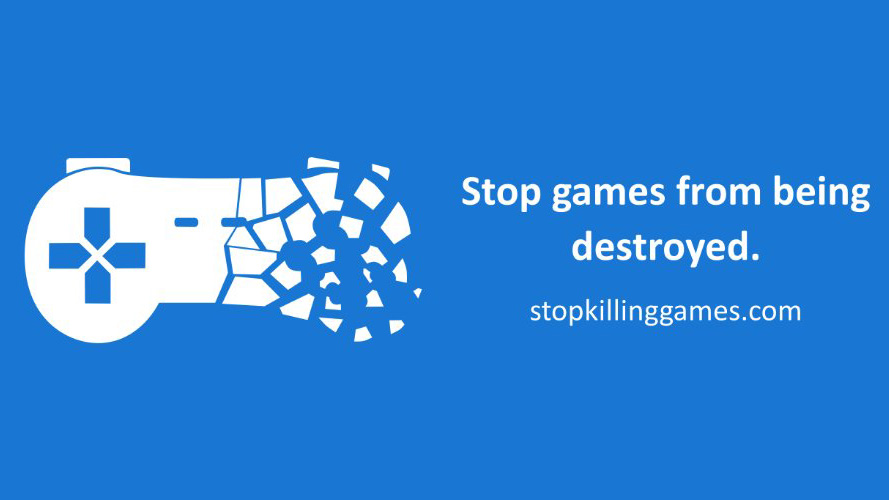
The Stop Killing Games Movement Transforms Into a Global Watchdog Organization—Here’s What It Means for Your Game Library
In a stunning evolution that gaming industry veterans are calling “unprecedented,” the Stop Killing Games campaign has officially announced plans to establish two permanent non-governmental organizations—one in the European Union and another in the United States. This bold move transforms what began as an online petition into what organizers describe as a “long-term counter-lobbying force” that will fundamentally reshape how publishers treat games after purchase.
Ross Scott, the campaign’s creator and a respected voice in gaming advocacy, dropped this bombshell revelation in a recent YouTube video that has already garnered over 500,000 views in just 48 hours. “Let me start off by saying I think we’re going to win this,” Scott declared with characteristic conviction. “The problem of publishers destroying video games that you’ve already paid for is about to become a relic of the past.”
The timing couldn’t be more critical. As digital game libraries continue expanding and physical media becomes increasingly scarce, gamers worldwide have awakened to a disturbing reality: when publishers pull the plug on online services, entire game libraries can vanish overnight. The Stop Killing Games movement crystallized around one particularly egregious example—Ubisoft’s decision to completely remove The Crew from players’ libraries in 2023, effectively deleting a game that customers had purchased and paid for in full.
What began as outrage over a single racing title has exploded into a global reckoning with digital ownership rights. The petition, hosted on the EU’s official citizen participation platform, shattered expectations by crossing the one million signature threshold—a milestone that guarantees an official response from European Commission lawmakers and potentially opens the door to legislative action.
But Scott and his team aren’t waiting for bureaucratic wheels to turn. The NGO strategy represents a sophisticated understanding of how power actually operates in the modern gaming ecosystem. While traditional consumer protection laws often lag years behind technological developments, these watchdog organizations will operate with the agility to respond to emerging threats in real-time.
The European NGO will focus intensively on translating the Stop Killing Games petition into binding EU legislation—a process that could establish the strongest digital ownership protections in the world. Meanwhile, the American counterpart will tackle the uniquely challenging US market, where consumer protection laws are patchwork and publisher lobbying power is particularly formidable.
Perhaps most intriguingly, Scott revealed that the campaign has compiled a comprehensive 500-page legal document that exposes controversial industry practices many gamers never knew existed. “This isn’t just about one game or one publisher,” Scott explained. “We’re documenting systematic patterns of behavior that affect millions of consumers across dozens of major gaming companies.”
The document reportedly details everything from deliberately engineered obsolescence in online services to complex licensing arrangements that allow publishers to revoke access to purchased content without consumer recourse. Industry insiders speaking anonymously suggest the findings could trigger multiple regulatory investigations if made public.
The movement’s growing influence is already yielding tangible results. In a move that campaign organizers characterize as a direct response to mounting pressure, Ubisoft recently updated The Crew 2 with a fully functional offline mode—a feature that effectively future-proofs the game against the very scenario that befell its predecessor. While Ubisoft has not officially acknowledged the Stop Killing Games campaign as the motivation, the timing and nature of the update speak volumes.
This isn’t just about preserving access to nostalgic favorites or protecting investments in sprawling game libraries. The Stop Killing Games movement represents a fundamental challenge to how digital ownership is conceptualized in the 21st century. As gaming increasingly shifts toward live-service models, subscription platforms, and cloud-based delivery systems, the question of who actually “owns” a game becomes increasingly complex—and increasingly important.
The establishment of permanent NGO watchdogs signals that gamers are no longer content to be passive consumers at the mercy of corporate decisions. Instead, they’re organizing, documenting, and preparing to engage in sustained advocacy that could permanently alter the balance of power between publishers and players.
With the European Commission meeting on the horizon and the 500-page legal document poised for release, industry analysts suggest 2025 could be a watershed year for digital consumer rights. The Stop Killing Games movement has evolved from a viral petition into what many are calling “the most significant consumer advocacy effort in gaming history.”
As Scott put it in his video: “This isn’t just about saving games. It’s about establishing that when you buy something digital, it’s yours—period. No take-backs, no disappearing acts, no corporate flip of the switch that erases your purchases. The era of games as disposable commodities is coming to an end.”
The gaming industry is watching closely. So are millions of gamers who have suddenly realized their digital libraries might be more vulnerable than they ever imagined.
Tags & Viral Phrases:
digital ownership rights, Stop Killing Games, gaming industry watchdog, Ubisoft controversy, The Crew delisting, consumer protection gaming, digital game preservation, NGO gaming advocacy, Ross Scott campaign, EU digital rights, game preservation movement, online game shutdowns, gaming consumer rights, digital library protection, publisher accountability, gaming legislation 2024, offline game modes, game preservation advocacy, digital ownership revolution, gaming industry reform, consumer advocacy gaming, game preservation NGOs, digital rights movement, gaming industry transparency, consumer protection gaming industry, game preservation efforts, digital ownership advocacy, gaming industry watchdog organizations, game preservation campaign, digital consumer rights gaming, gaming industry accountability, game preservation movement, digital ownership legislation, gaming industry reform movement, consumer protection digital games, game preservation advocacy groups, digital ownership rights movement, gaming industry watchdog groups, game preservation legal action, digital ownership consumer rights, gaming industry accountability measures, game preservation legal framework, digital ownership protection, gaming industry watchdog initiatives, game preservation consumer advocacy, digital ownership rights legislation, gaming industry reform efforts, game preservation legal challenges, digital ownership consumer protection, gaming industry accountability standards, game preservation legal precedents, digital ownership rights enforcement, gaming industry watchdog regulations, game preservation consumer protection, digital ownership rights advocacy, gaming industry accountability reforms, game preservation legal requirements, digital ownership consumer advocacy, gaming industry watchdog oversight, game preservation legal protections, digital ownership rights enforcement, gaming industry accountability measures, game preservation consumer rights, digital ownership consumer protection laws, gaming industry watchdog compliance, game preservation legal standards, digital ownership rights enforcement, gaming industry accountability frameworks, game preservation consumer safeguards, digital ownership consumer advocacy groups, gaming industry watchdog initiatives, game preservation legal reforms, digital ownership rights legislation, gaming industry accountability measures, game preservation consumer protection, digital ownership consumer rights advocacy, gaming industry watchdog organizations, game preservation legal action, digital ownership rights movement, gaming industry reform efforts, game preservation consumer advocacy, digital ownership consumer protection, gaming industry accountability standards, game preservation legal framework, digital ownership rights enforcement, gaming industry watchdog regulations, game preservation consumer rights, digital ownership consumer advocacy, gaming industry accountability reforms, game preservation legal requirements, digital ownership rights advocacy, gaming industry watchdog oversight, game preservation legal protections, digital ownership consumer protection laws, gaming industry watchdog compliance, game preservation legal standards, digital ownership rights enforcement, gaming industry accountability frameworks, game preservation consumer safeguards, digital ownership consumer advocacy groups, gaming industry watchdog initiatives, game preservation legal reforms
,

Leave a Reply
Want to join the discussion?Feel free to contribute!