
The US will send Tech Corps members to foreign countries in its latest push for AI dominance
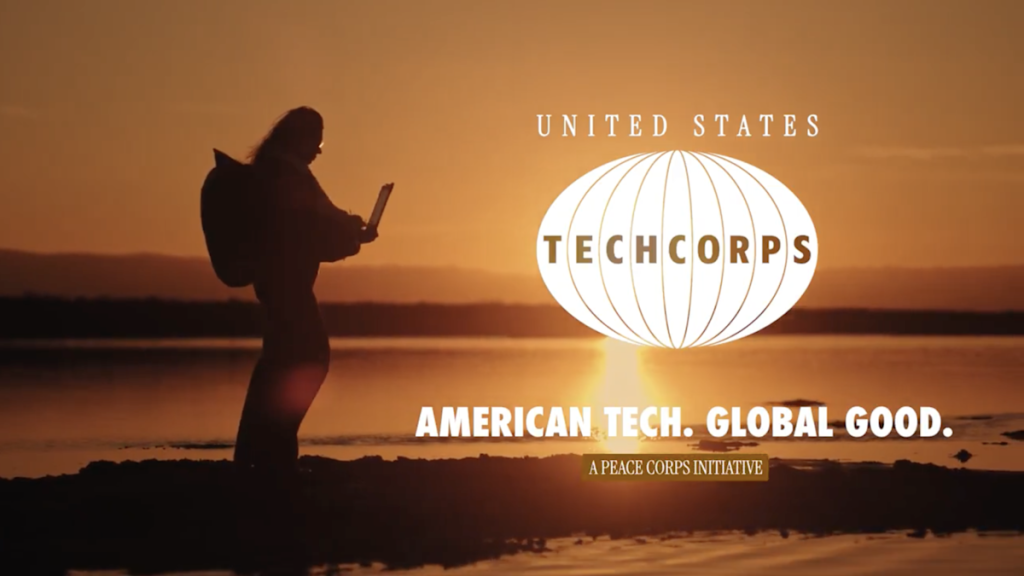
In a bold move that blends humanitarian service with high-stakes technological competition, the Peace Corps has unveiled its most futuristic initiative yet: Tech Corps. This groundbreaking program is set to deploy STEM graduates and AI professionals to countries around the world, not just to volunteer, but to strategically position the United States at the forefront of the global artificial intelligence race.
The announcement, made by the Peace Corps earlier this week, marks a significant pivot from the agency’s traditional model of grassroots development work. Instead of teaching English or building wells, these new volunteers will be wielding algorithms, machine learning models, and data analytics to tackle some of the most pressing challenges in agriculture, education, healthcare, and economic development across participating host nations.
At the heart of this initiative is the American AI Exports Program, a policy framework established under an executive order by former President Donald Trump. The program was designed to cement U.S. dominance in the global AI market, and now, through Tech Corps, that vision is being operationalized on the ground. Volunteers will be placed in countries that are part of this export program, where they will work directly with local governments, NGOs, and communities to integrate AI solutions into everyday systems.
According to Peace Corps Acting Director Richard E. Swarttz, these volunteers will be “building technical capacity, supporting AI adoption across critical use cases, and addressing barriers to last-mile AI implementation.” In simpler terms, they’ll be the boots on the ground, ensuring that AI isn’t just a buzzword but a practical tool that can transform lives—from optimizing crop yields with predictive analytics to improving diagnostic accuracy in rural clinics.
The program offers flexible deployment options: volunteers can choose between 12- to 27-month in-person assignments or virtual placements, depending on their skills and the needs of the host country. Those who serve abroad will receive housing, healthcare, a living stipend, and a volunteer service award upon completion. It’s a comprehensive package that reflects the Peace Corps’ commitment to supporting its volunteers while also attracting top-tier talent from the tech sector.
But beneath the altruistic veneer lies a more strategic objective. The U.S. is locked in a fierce technological rivalry with China, which has been rapidly advancing its own AI capabilities through massive state investment and a five-year plan for technological supremacy. By embedding American AI expertise in developing nations, the Peace Corps is effectively creating a network of influence that could shape the future of global AI governance and standards.
This isn’t just about charity—it’s about geopolitical leverage. As countries around the world grapple with how to regulate and adopt AI, the presence of U.S.-trained professionals could tip the scales in favor of American companies and values. It’s a soft power play with hard consequences, and it underscores the growing recognition that technology is as much a tool of diplomacy as it is of development.
Critics, however, have raised concerns about the ethical implications of exporting AI to countries that may lack the regulatory frameworks to govern its use. There are fears that without proper oversight, these technologies could be misused, exacerbating inequality or infringing on privacy. The Peace Corps has responded by emphasizing that all volunteers will receive training in ethical AI deployment and will work closely with local stakeholders to ensure that solutions are culturally appropriate and sustainable.
Still, the launch of Tech Corps represents a fascinating evolution in the role of international aid. It’s no longer just about providing resources—it’s about providing know-how, and in the 21st century, that know-how is increasingly digital. As the world becomes more interconnected and technology-driven, initiatives like this could redefine what it means to serve abroad.
Whether you see it as a visionary step toward global progress or a calculated maneuver in the AI arms race, one thing is clear: the Peace Corps is no longer just planting trees—it’s planting the seeds of the future.
Tags & Viral Phrases:
- Tech Corps Peace Corps
- AI volunteers abroad
- American AI Exports Program
- STEM graduates in global development
- AI for agriculture education healthcare
- U.S. vs China AI competition
- Soft power through technology
- Ethical AI deployment
- Last-mile AI implementation
- Geopolitical leverage AI
- Executive order AI dominance
- AI in developing countries
- Peace Corps digital transformation
- Future of international aid
- Tech diplomacy 2024
- AI arms race global influence
- Building technical capacity worldwide
- Virtual AI placements Peace Corps
- AI governance global standards
- Humanitarian tech innovation
- AI as a tool of diplomacy
- U.S. AI leadership initiative
- AI solutions for global challenges
- Tech Corps recruitment STEM
- AI ethics in international aid
- Digital volunteers global impact
- AI export strategy U.S.
- China AI five-year plan
- AI adoption critical use cases
- Peace Corps tech evolution
- AI-driven development programs
- Global AI market competition
- AI for economic development
- AI in rural healthcare clinics
- Predictive analytics agriculture AI
- AI privacy concerns developing nations
- Sustainable AI solutions Peace Corps
- AI training local stakeholders
- Culturally appropriate AI deployment
- AI know-how international service
- Tech Corps living stipend
- AI volunteer service award
- AI influence global governance
- AI standards shaping future
- Tech Corps in-person assignments
- AI virtual placements Peace Corps
- AI regulatory frameworks global
- AI inequality exacerbation risks
- AI soft power play
- AI diplomacy 21st century
- AI seeds of the future
,


Leave a Reply
Want to join the discussion?Feel free to contribute!