
Now That Trump’s Tariffs Have Been Ruled Illegal, Will Tech Prices Lower?
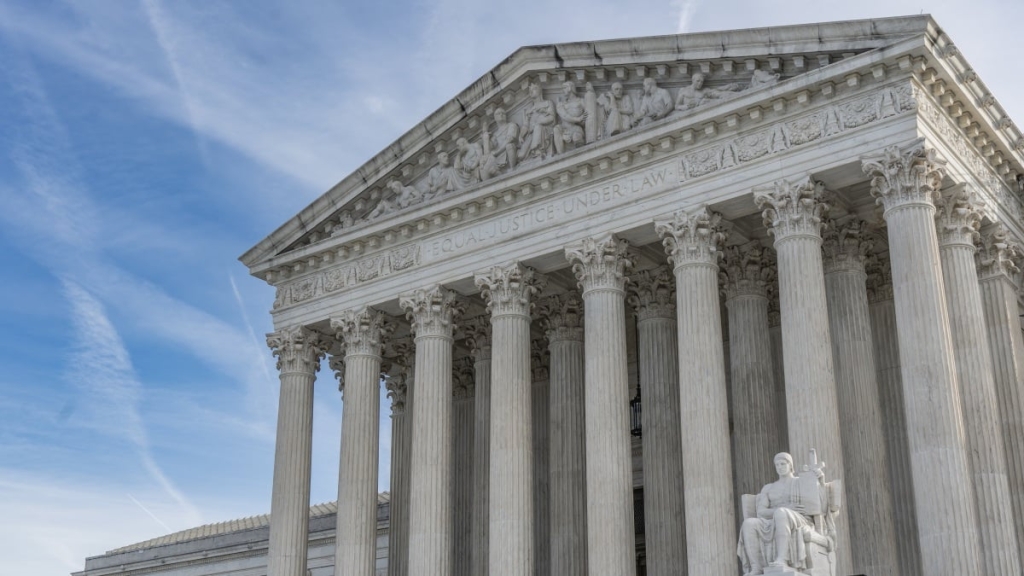
BREAKING: Supreme Court Delivers Massive Blow to Trump’s Tariffs – Tech Prices Could Finally Drop!
In a landmark decision that’s sending shockwaves through the tech industry and beyond, the Supreme Court has struck down the vast majority of President Trump’s controversial tariffs in a 6-3 ruling that could save American consumers billions of dollars.
The ruling effectively ends one of the most contentious economic policies of the Trump administration, which added an estimated $1,000 tax increase per American household and sent prices of everything from smartphones to gaming consoles skyrocketing. Tech enthusiasts and everyday consumers alike are celebrating what could be the beginning of a long-awaited price correction across the technology sector.
The Legal Bombshell That Changed Everything
The Court’s decision centered on the improper use of the International Emergency Economic Powers Act (IEEPA) as justification for sweeping tariffs. While the ruling doesn’t eliminate all tariffs—steel and aluminum duties remain intact—it effectively kills the reciprocal tariffs against key trading partners and the blanket 25% tariffs on goods from Canada, China, and Mexico.
“This is a seismic shift in trade policy,” says economic analyst Sarah Chen. “The Court essentially told the administration that you can’t just declare an emergency to justify taxing American consumers into oblivion.”
What This Means for Your Tech Budget
The immediate question on everyone’s mind: Will tech prices finally come down? The answer is complicated, but potentially revolutionary for consumers.
When tariffs are in place, U.S. importers—not foreign manufacturers—pay the tax. Companies like Nintendo responded by raising prices on accessories like the Pro Controller and Joy-Con 2, while holding steady on consoles themselves. Sony, Apple, and other tech giants similarly adjusted their pricing strategies to absorb the additional costs.
The Sticky Price Problem
However, economists warn that price reductions won’t happen overnight. The phenomenon of “sticky prices” means that while costs can rise quickly in response to tariffs, they often remain elevated even after the underlying pressure is removed. Some analysts predict a disinflationary effect rather than outright deflation—meaning prices might rise more slowly, but won’t necessarily drop.
“The market has already shown it can support these higher price points,” explains retail economist Mark Rodriguez. “Unless companies see a significant drop in demand, they have little incentive to cut prices just because their input costs decreased.”
Beyond Tariffs: The Real Threat to Tech Prices
Even with tariffs potentially gone, another crisis looms larger: the AI-driven semiconductor shortage. Companies like Micron report that AI firms are hoarding RAM, GPUs, and CPUs at unprecedented rates, creating artificial scarcity that drives prices up regardless of trade policy.
“Everything from gaming consoles to laptops to smart home devices relies on these components,” notes semiconductor analyst Jennifer Park. “We could eliminate all tariffs tomorrow and still see prices climbing due to this supply-demand imbalance.”
Should You Wait to Buy That New Device?
The Supreme Court’s decision creates more questions than answers for consumers planning major tech purchases. Will iPhone prices drop? Will gaming console bundles become more affordable? Will laptop manufacturers finally ease up on price hikes?
My professional recommendation: Don’t make purchase decisions based solely on tariff speculation. Instead, focus on traditional value metrics: compare prices across retailers, wait for established sales events, and research which products offer the best features-to-price ratio.
The Bottom Line
The Supreme Court’s ruling represents a potential turning point for tech pricing, but it’s far from a guaranteed price drop across the board. While some products may see modest reductions, the combination of sticky pricing behavior and ongoing component shortages means many tech items will likely maintain their current price points.
For now, the smartest move is to stay informed, shop strategically, and remember that the best time to buy technology is when you need it and can afford it—not when you’re hoping for a speculative price drop that may never materialize.
SupremeCourt #TrumpTariffs #TechPrices #EconomicPolicy #ConsumerTech #GamingConsoles #Smartphones #Laptops #TradeWar #PriceDrop #TechNews #BreakingNews #Economy #USPolitics #SupplyChain #Semiconductors #AI #Gaming #Apple #Nintendo #Sony #Microsoft
tags: Supreme Court, Trump tariffs, tech prices, consumer electronics, gaming consoles, smartphones, laptops, trade policy, economic impact, price drops, semiconductor shortage, AI demand, Nintendo Switch, iPhone pricing, tech industry, breaking news, US economy, consumer savings, import taxes, trade war, market analysis
viral sentences:
- “The Supreme Court just handed American consumers a $1,000 tax cut!”
- “Your next iPhone could be hundreds cheaper thanks to this bombshell ruling!”
- “Gaming console prices might finally drop after years of tariff-induced inflation!”
- “This is the biggest economic decision affecting tech since the iPhone launched!”
- “The trade war is over – at least the Supreme Court just ended this chapter!”
- “Tech companies can no longer hide behind tariffs to justify price gouging!”
- “The AI chip shortage might be a bigger threat to your wallet than tariffs!”
- “Get ready for the great tech price correction of 2024!”
- “Trump’s signature economic policy just got declared illegal by the highest court!”
- “American consumers win big as Supreme Court strikes down price-hiking tariffs!”
,


Leave a Reply
Want to join the discussion?Feel free to contribute!