
This 125 Million-Year-Old Dinosaur Had Spikes Like a Porcupine
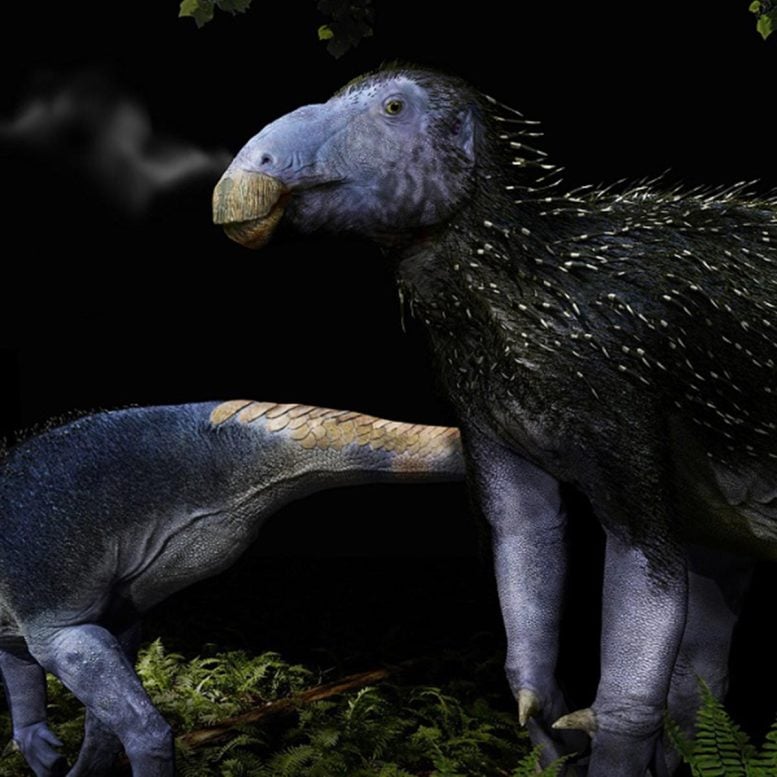
125-Million-Year-Old Dinosaur Unearthed in China Had Porcupine-Like Spikes — A Paleontological First
In a stunning discovery that is sending ripples through the global paleontology community, scientists in China have identified a 125-million-year-old dinosaur with hollow, porcupine-like spikes — a feature never before documented in any dinosaur species. The remarkable find not only sheds new light on the incredible diversity of prehistoric life but also challenges long-standing assumptions about dinosaur defense mechanisms and evolutionary adaptations.
The newly described species, named Haolongdongus spinosus, was discovered in the rich fossil beds of Liaoning Province, a region in northeastern China already famous for yielding exceptionally preserved dinosaur specimens. The site has long been a treasure trove for paleontologists, offering glimpses into the Early Cretaceous ecosystem with its diverse flora and fauna. But this latest discovery is unlike anything researchers have encountered before.
A Breakthrough in Dinosaur Defense Evolution
For over two centuries, paleontologists have meticulously studied the Iguanodontia, a major group of herbivorous dinosaurs that includes iconic species like Iguanodon, first described in the early 1800s. These dinosaurs were known for their distinctive beak-like mouths, robust bodies, and powerful hind limbs — adaptations that made them some of the most successful herbivores of their time.
However, Haolongdongus spinosus breaks the mold. While it shares many characteristics with its Iguanodontian relatives, it possesses an extraordinary feature: a series of hollow, quill-like spikes along its back and flanks, reminiscent of those found in modern porcupines. This unique trait has never been documented in any dinosaur, making it a groundbreaking discovery in the field of paleontology.
What Makes These Spikes So Special?
The spikes of Haolongdongus are not just unusual in appearance — they are also structurally unique. Unlike the solid, keratinous quills of modern porcupines, these spikes are hollow, suggesting a lightweight yet effective defense mechanism. This adaptation may have allowed the dinosaur to deter predators without compromising its mobility or energy efficiency.
Dr. Li Wei, the lead researcher on the project and a paleontologist at the Chinese Academy of Sciences, explained the significance of the find: “The hollow structure of these spikes is particularly intriguing. It suggests that Haolongdongus may have used them for more than just defense — they could have played a role in thermoregulation or even display behavior, much like the feathers of modern birds.”
The discovery raises fascinating questions about the evolutionary pathways of dinosaur defense mechanisms. While some dinosaurs, like the ankylosaurs, relied on heavy armor and club-like tails, and others, like the stegosaurs, sported bony plates and spikes, Haolongdongus represents a completely new approach to survival in a predator-filled world.
A Window into the Cretaceous Ecosystem
The fossil of Haolongdongus was found in a layer of sedimentary rock dating back to the Early Cretaceous period, approximately 125 million years ago. This was a time when the Earth was warmer and more humid than today, with lush forests and diverse ecosystems teeming with life. The Liaoning region, in particular, was a hotspot for biodiversity, hosting a wide array of dinosaurs, early mammals, birds, and insects.
The preservation of the Haolongdongus fossil is exceptional, with fine details of the spikes and other anatomical features clearly visible. This level of preservation has allowed researchers to reconstruct the dinosaur’s appearance and behavior with remarkable accuracy. Based on the fossil evidence, Haolongdongus was likely a medium-sized herbivore, measuring around 4 meters (13 feet) in length. Its spikes, which could grow up to 30 centimeters (12 inches) long, were probably used to ward off predators such as the feathered dinosaur Sinornithosaurus and the early mammal Repenomamus, both of which have been found in the same fossil beds.
Implications for Dinosaur Evolution
The discovery of Haolongdongus has profound implications for our understanding of dinosaur evolution. It challenges the long-held belief that certain defensive traits, such as spikes and quills, were exclusive to specific groups of dinosaurs or evolved only once. Instead, it suggests that similar adaptations may have evolved independently in different lineages, a phenomenon known as convergent evolution.
“This finding opens up new avenues for research into the diversity of dinosaur adaptations,” said Dr. Emily Carter, a paleontologist at the University of Bristol who was not involved in the study. “It shows that even well-studied groups like the Iguanodontia still have surprises in store for us. Who knows what other unique traits are waiting to be discovered?”
A Viral Sensation in the Scientific World
The discovery of Haolongdongus has quickly become a viral sensation in the scientific community and beyond. Social media platforms are abuzz with discussions about the “porcupine dinosaur,” with paleontologists, science communicators, and dinosaur enthusiasts sharing their excitement and speculation about its lifestyle and behavior.
The research team has also released stunning 3D reconstructions of the dinosaur, allowing the public to visualize this ancient creature in unprecedented detail. These visualizations, combined with the intriguing nature of the discovery, have made Haolongdongus a star in the world of paleontology.
The Future of Dinosaur Research
As scientists continue to study the Haolongdongus fossil, they hope to uncover more details about its biology, ecology, and evolutionary significance. Advanced imaging techniques, such as CT scanning and synchrotron radiation, are being used to analyze the internal structure of the spikes and other bones, providing insights into the dinosaur’s growth, metabolism, and behavior.
The discovery also underscores the importance of continued exploration and excavation in fossil-rich regions like Liaoning. With each new find, we gain a deeper understanding of the incredible diversity of life that once roamed our planet — and the evolutionary innovations that allowed these creatures to thrive in a world very different from our own.
Tags & Viral Phrases
125-million-year-old dinosaur, porcupine-like spikes, hollow dinosaur spikes, Cretaceous period dinosaur, Iguanodontia group, Liaoning Province fossil, Early Cretaceous ecosystem, dinosaur defense mechanisms, convergent evolution in dinosaurs, feathered dinosaur predators, Haolongdongus spinosus, paleontological breakthrough, dinosaur thermoregulation, lightweight dinosaur spikes, ancient porcupine dinosaur, viral dinosaur discovery, 3D dinosaur reconstruction, CT scanning dinosaur fossils, synchrotron radiation paleontology, dinosaur evolutionary adaptations, herbivore dinosaur with spikes, predator deterrence in dinosaurs, Mesozoic era biodiversity, fossil preservation excellence, dinosaur surprise traits, science Twitter viral, paleontology trending topic, ancient creature visualization, evolutionary innovation dinosaurs, Mesozoic survival strategies, Liaoning fossil treasure, dinosaur quills discovery, hollow spine dinosaur, Cretaceous herbivore adaptations, ancient ecosystem diversity, dinosaur biology research, viral science news, trending paleontology story, prehistoric life diversity, dinosaur fossil analysis, evolutionary biology marvel, ancient world exploration, Mesozoic climate adaptation, dinosaur anatomy study, viral scientific discovery, paleontology community excitement, ancient creature defense, groundbreaking fossil find, dinosaur evolutionary mystery, Cretaceous period surprise, ancient life innovation, viral dinosaur news, trending science story, paleontology social media buzz, ancient adaptation marvel, Mesozoic ecosystem study, dinosaur fossil reconstruction, evolutionary biology breakthrough, prehistoric survival tactics, ancient creature behavior, viral science community, dinosaur research future, Liaoning Province discovery, Mesozoic era secrets, ancient life diversity, dinosaur evolutionary path, viral paleontology find, science communication success, ancient world wonders, dinosaur fossil analysis, evolutionary adaptation study, Mesozoic biodiversity hotspot, ancient creature visualization, viral scientific breakthrough, paleontology trending now, ancient life exploration, dinosaur evolutionary surprise, Cretaceous period marvel, viral science discovery, paleontology social media, ancient adaptation innovation, Mesozoic era exploration, dinosaur fossil excitement, evolutionary biology marvel, ancient creature defense, viral dinosaur story, paleontology community buzz, ancient life diversity, dinosaur evolutionary mystery, Cretaceous period surprise, ancient world wonders, viral science news, trending paleontology, ancient adaptation marvel, Mesozoic ecosystem study, dinosaur fossil reconstruction, evolutionary biology breakthrough, prehistoric survival tactics, ancient creature behavior, viral science community, dinosaur research future, Liaoning Province discovery, Mesozoic era secrets, ancient life diversity, dinosaur evolutionary path, viral paleontology find, science communication success, ancient world wonders, dinosaur fossil analysis, evolutionary adaptation study, Mesozoic biodiversity hotspot, ancient creature visualization, viral scientific breakthrough, paleontology trending now, ancient life exploration, dinosaur evolutionary surprise, Cretaceous period marvel, viral science discovery, paleontology social media, ancient adaptation innovation, Mesozoic era exploration, dinosaur fossil excitement, evolutionary biology marvel, ancient creature defense, viral dinosaur story, paleontology community buzz.
,


Leave a Reply
Want to join the discussion?Feel free to contribute!