
Meta Is Taking VR Out of ‘Horizon Worlds’
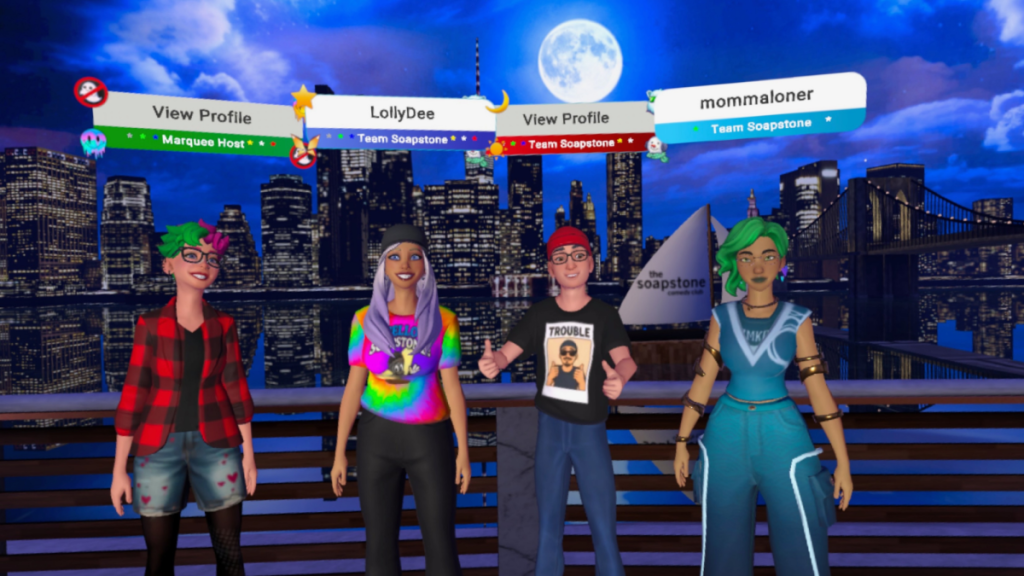
Meta Pulls the Plug on VR for Horizon Worlds, Pivots Entirely to Mobile
In a move that signals a dramatic shift in strategy, Meta has announced it’s shutting down the VR version of its social platform Horizon Worlds, effectively ending its dream of a VR-first metaverse. The company is now betting everything on mobile, a decision that underscores the harsh realities of building a virtual world in an era dominated by smartphones.
The VR Experiment That Never Took Off
When Facebook (now Meta) first unveiled Horizon Worlds in 2019 as “Facebook Horizon,” it was pitched as the future of social interaction—a fully immersive 3D world where people could meet, play, and create together. The vision was grand: a metaverse where VR headsets would become as common as smartphones.
But the numbers tell a different story. Despite Meta pouring hundreds of millions into development and even launching a $50 million creator fund, Horizon Worlds managed to attract only around 200,000 monthly active users by 2022. For context, that’s less than 1% of Instagram’s daily active users.
Why Meta Is Walking Away from VR
Meta’s decision isn’t just about Horizon Worlds failing to catch on—it’s part of a broader retreat from first-party VR initiatives. The company recently:
- Shut down three AAA VR game development studios
- Stopped updating its premium fitness app Supernatural
- Laid off roughly 10% of its Reality Labs division
As Meta VP Samantha Ryan explained in a blog post to developers, the company is “separating our Quest VR platform from our Worlds platform in order to create more space for both products to grow.” Translation: VR isn’t dead, but Meta’s in-house VR experiences are.
The Mobile Pivot: Betting on Scale
Here’s where the strategy becomes crystal clear: there are approximately 5 billion smartphone users worldwide, compared to an estimated 20-30 million Quest VR headsets in circulation. The math is brutal but simple.
Meta reports that 86% of time spent on Quest devices goes to third-party apps, not Meta’s own offerings. Rather than fight this trend, Meta is embracing it—doubling down on supporting external VR developers while transforming Horizon Worlds into a mobile-first social platform.
The early results are promising. Meta claims 4x growth in mobile Horizon users in 2025, and Ryan promises the company is “in a strong position to deliver synchronous social games at scale.”
What This Means for the Metaverse Vision
This pivot represents more than just a platform change—it’s a fundamental reimagining of what the metaverse could be. Instead of requiring expensive headsets and powerful computers, Meta now envisions a metaverse that lives in your pocket.
The company plans to leverage its massive user base across Instagram and Facebook to make Horizon Worlds competitive with platforms like Roblox, which has over 70 million daily active users, mostly on mobile devices.
A Farewell to VR Worlds
For the relatively small community that found a home in VR Horizon Worlds, this change marks a bittersweet moment. The platform offered something unique: a sense of presence and scale that simply can’t be replicated on a 2D smartphone screen.
As one observer noted after spending time exploring the VR version: “It’s a unique place, an undiscovered country where strange little communities have taken up residence in a massive, deserted shopping mall.” Those communities will still exist on mobile, but the experience will be fundamentally different.
The Bigger Picture
Meta’s retreat from VR-first social experiences raises questions about the broader metaverse vision. If the company that renamed itself after this concept is pulling back, what does that mean for other companies still pushing VR as the future of social interaction?
The answer may lie in Meta’s continued commitment to VR hardware. Despite killing its own VR software ambitions, Meta promises a “robust roadmap of future VR headsets” tailored to “different audience segments.” The company seems to be acknowledging that while VR might not be ready for mainstream social experiences, there’s still a market for specialized use cases.
What Happens Next
For current Horizon Worlds VR users, the clock is ticking. While no official shutdown date has been announced, the writing is on the wall. Mobile users, however, should expect to see rapid development as Meta tries to capture the massive potential audience that never wanted to strap on a headset in the first place.
The metaverse isn’t dead—it’s just moving to your smartphone.
Tags & Viral Phrases:
- Meta abandons VR for Horizon Worlds
- Facebook metaverse pivot to mobile
- Horizon Worlds shutting down VR version
- Meta’s metaverse dream crashes and burns
- Why Zuckerberg is killing VR social
- The end of Facebook’s VR ambitions
- Horizon Worlds goes mobile-only
- Meta’s billion-user metaverse strategy
- VR social platforms are dead, long live mobile metaverse
- Zuckerberg’s metaverse pivot explained
- How Meta is copying Roblox’s success
- The real reason Meta is killing VR
- 5 billion smartphone users vs 30 million VR headsets
- Meta’s Reality Labs massive layoffs
- Supernatural VR app shutdown
- Meta shuts down AAA VR game studios
- The metaverse is dead, long live the metaverse
- Why Horizon Worlds failed spectacularly
- Meta’s $50 million creator fund wasted
- Zuckerberg’s $10 billion metaverse bet goes bust
- The future of social is mobile, not VR
- Meta’s Instagram-powered metaverse strategy
- How Roblox beat Meta at its own game
- The death of VR social experiences
- What Meta’s pivot means for the future of virtual worlds
,

Leave a Reply
Want to join the discussion?Feel free to contribute!