
China’s brain-computer interface industry is racing ahead
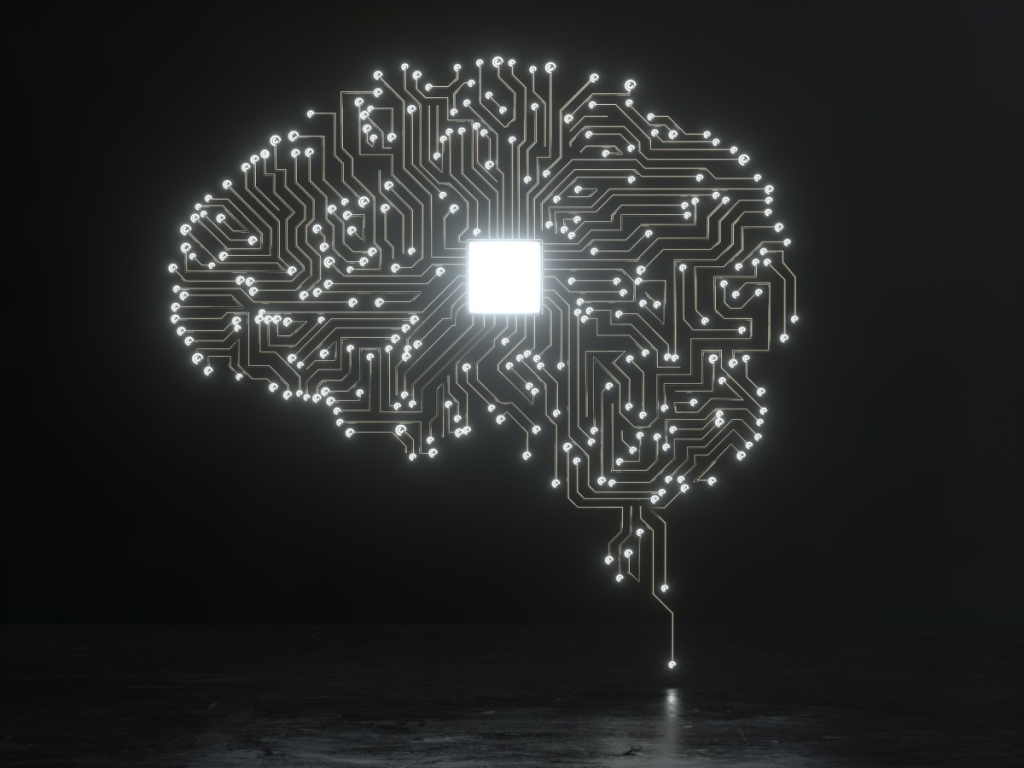
China’s Brain-Computer Interface Industry Quietly Surges Ahead, Challenging U.S. Dominance
While Elon Musk’s Neuralink dominates Western headlines with its “pioneering” brain-computer interface (BCI) technology, China’s BCI industry is rapidly transitioning from research labs to commercial scale, backed by robust government support, expanding clinical trials, and surging investor interest.
The shift represents a fundamental transformation in how human-machine interaction could evolve, with China positioning itself to potentially leapfrog Western competitors in this transformative technology sector.
The Quiet Revolution: From Research to Commercial Reality
A new wave of Chinese startups is racing to commercialize both implantable and noninvasive BCIs, with concrete policy support already translating into market momentum. Provinces including Sichuan, Hubei, and Zhejiang have established medical service pricing for BCI technologies, accelerating their inclusion in China’s national medical insurance system.
Phoenix Peng, a notable figure in this space who has founded two BCI startups—NeuroXess (maker of BCI implants) and Gestala (noninvasive ultrasound BCI)—sees the technology extending far beyond current medical applications. “I have always maintained that neuroscience and AI are two sides of the same coin,” Peng explained. “They are destined for deep integration, realizing direct high-bandwidth connections between the human brain and AI. BCI will serve as the ultimate bridge between carbon-based and silicon-based intelligence.”
While this vision may sound futuristic, Peng emphasizes the enormous market potential. Over the next three to five years, BCI use is expected to remain concentrated in healthcare, with the market reaching multibillion-dollar scale as insurance coverage expands.
Four Pillars Driving China’s BCI Acceleration
When asked about China’s rapid progress in BCI technology, Peng identified four critical factors:
-
Strong Policy Support: Cross-department collaboration aligns technical standards and medical reimbursement. In December 2025, China announced an 11.6 billion yuan ($165 million) brain science fund to support BCI companies from research through commercialization.
-
Vast Clinical Resources: Large patient pools and lower research costs accelerate trials. China’s national health insurance enables quicker commercialization once devices receive state approval—a significant advantage over the U.S. system where private insurers must individually approve FDA-approved devices.
-
Mature Industrial Manufacturing: China’s established semiconductor, AI, and medical hardware manufacturing capabilities support fast R&D and prototyping.
-
Strategic Investment: Both state-led funds and private capital are surging under national initiatives.
Recent funding rounds underscore this momentum. Shanghai-based BCI startup StairMed Technology raised $48 million (350 million yuan) in Series B funding in February 2025. BrainCo, a neurotech company developing noninvasive BCIs and bionic limbs, has filed for a Hong Kong IPO after raising $287 million (2 billion yuan) earlier this year. Peng’s company, Gestala, launched in January and is currently in talks with investors to close an angel round.
Clinical Breakthroughs and Market Scale
China’s BCI market is projected to grow to more than $530 million (3.8 billion yuan) in 2025, up from 3.2 billion yuan in 2024, with projections putting the market at over 120 billion yuan by 2040.
Researchers have completed China’s first fully implanted, wireless BCI trial—only the second globally—allowing a paralyzed patient to control devices without external hardware. Neuralink remains the only other company to have completed such a trial.
“In traditional electrical BCIs, Chinese firms have achieved clinical progress in motor and language decoding, spinal cord reconstruction, and stroke rehabilitation, with over 50 flexible implantable BCI clinical trials completed by mid-2025,” Peng noted.
Diverse Technological Approaches
BCI development is taking two primary paths. Invasive electrophysiological BCIs like NeuroXess and Neuralink implant electrodes directly in the brain for precise neuron-level signals, but carry surgery risks. Noninvasive systems like NeuroSky and BrainCo use electroencephalography (EEG) through headsets or headbands, trading some precision for safety and ease of use.
The field is expanding further with emerging approaches including ultrasound, magnetoencephalography imaging, transcranial magnetic stimulation, optical methods, and hybrid BCIs, giving researchers new tools to read and influence brain activity.
Noninvasive technologies could help overcome adoption barriers, as not everyone is willing to undergo brain surgery. Ultrasound BCIs from companies like OpenAI-backed Merge Labs and Gestala target high-prevalence conditions such as chronic pain, stroke, and depression. These technologies are more readily accepted by patients and offer significantly greater commercial scalability.
Investment Landscape and Future Outlook
HongShan Capital (formerly Sequoia China) has invested in Zhiran Medical, a startup founded in 2022 focused on improving long-term implant performance through flexible, high-throughput electrodes that reduce inflammation and signal loss associated with rigid implants.
Yang Yunxia, a partner at HongShan Capital, emphasized that investment decisions ultimately come down to whether investors believe a product can be developed into a sustainable business. “Some technologies may look cutting-edge but far from practical application,” Yang wrote in a blog post, noting that others appear commercially viable but face “high costs” or significant technical barriers.
Over the next five years, industry insiders expect China’s BCI regulations to align more closely with international standards, with particular focus on regulatory approval and data sovereignty. Global frameworks from organizations like the IEC and ISO, along with FDA guidance, are expected to serve as key reference points.
Chinese regulators are also expected to tighten oversight of invasive devices and the data they generate while easing approval for noninvasive technologies. As for ethics, China plans to strengthen informed-consent requirements, broaden ethics review beyond medicine, and move toward unified technical standards for clinical evaluation.
Tags: China BCI industry, Neuralink competitor, brain-computer interface, invasive vs noninvasive BCI, ultrasound BCI, medical AI integration, China tech innovation, brain science funding, clinical trials BCI, human augmentation technology, silicon-carbon intelligence bridge, medical device commercialization, China healthcare technology, emerging neurotech startups, brain implant technology, AI neuroscience convergence, global BCI competition, China medical insurance coverage, regulatory framework BCI, investment in neurotechnology
Viral Phrases: China’s BCI revolution, Elon Musk’s Neuralink challenged, brain-computer interface commercialization, ultrasound brain technology breakthrough, China’s $165M brain science fund, noninvasive BCI adoption surge, paralyzed patient controls devices wirelessly, China’s BCI market to $120B by 2040, invasive vs noninvasive BCI debate, brain surgery alternatives emerge, China’s clinical trial advantage, medical AI integration breakthrough, carbon-silicon intelligence bridge, China’s regulatory framework advantage, ultrasound BCI for chronic pain, brain implant inflammation solution, China’s manufacturing edge in BCI, state-backed BCI investment surge, global BCI standards alignment, ethical considerations in brain technology
,


Leave a Reply
Want to join the discussion?Feel free to contribute!